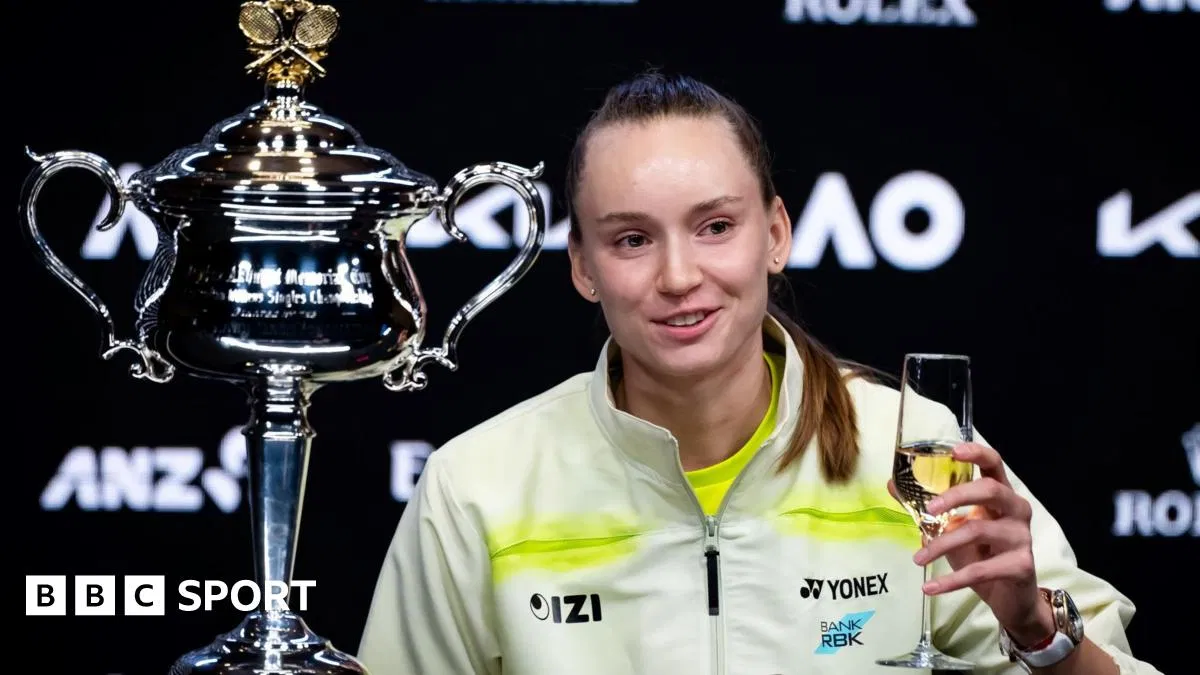
Elena Rybakina has cemented her place among tennis elites with a stunning victory over world No. 1 Aryna Sabalenka to claim the Australian Open women's singles title. The Kazakh fifth seed rallied from a third-set deficit to triumph 6-4, 4-6, 6-4 in a thrilling final at Rod Laver Arena, securing her second Grand Slam championship and avenging her loss to Sabalenka in the 2023 final. The match, which lasted two hours and 18 minutes, showcased Rybakina's powerful serve and mental resilience as she overcame the defending champion in front of a packed Melbourne crowd.
Rybakina's Resilience: How the Kazakh Star Overcame Sabalenka
In a rematch of the 2023 Australian Open final, Elena Rybakina entered Saturday's showdown as the underdog against top-ranked Aryna Sabalenka. The Belarusian had dominated their previous meeting in Melbourne, but Rybakina demonstrated remarkable growth in her game and mentality. The opening set saw both players trading powerful groundstrokes, with Rybakina breaking Sabalenka's serve in the seventh game to take a 4-3 lead. She closed out the set 6-4 with an ace, marking the first time Sabalenka had dropped a set in the entire tournament.
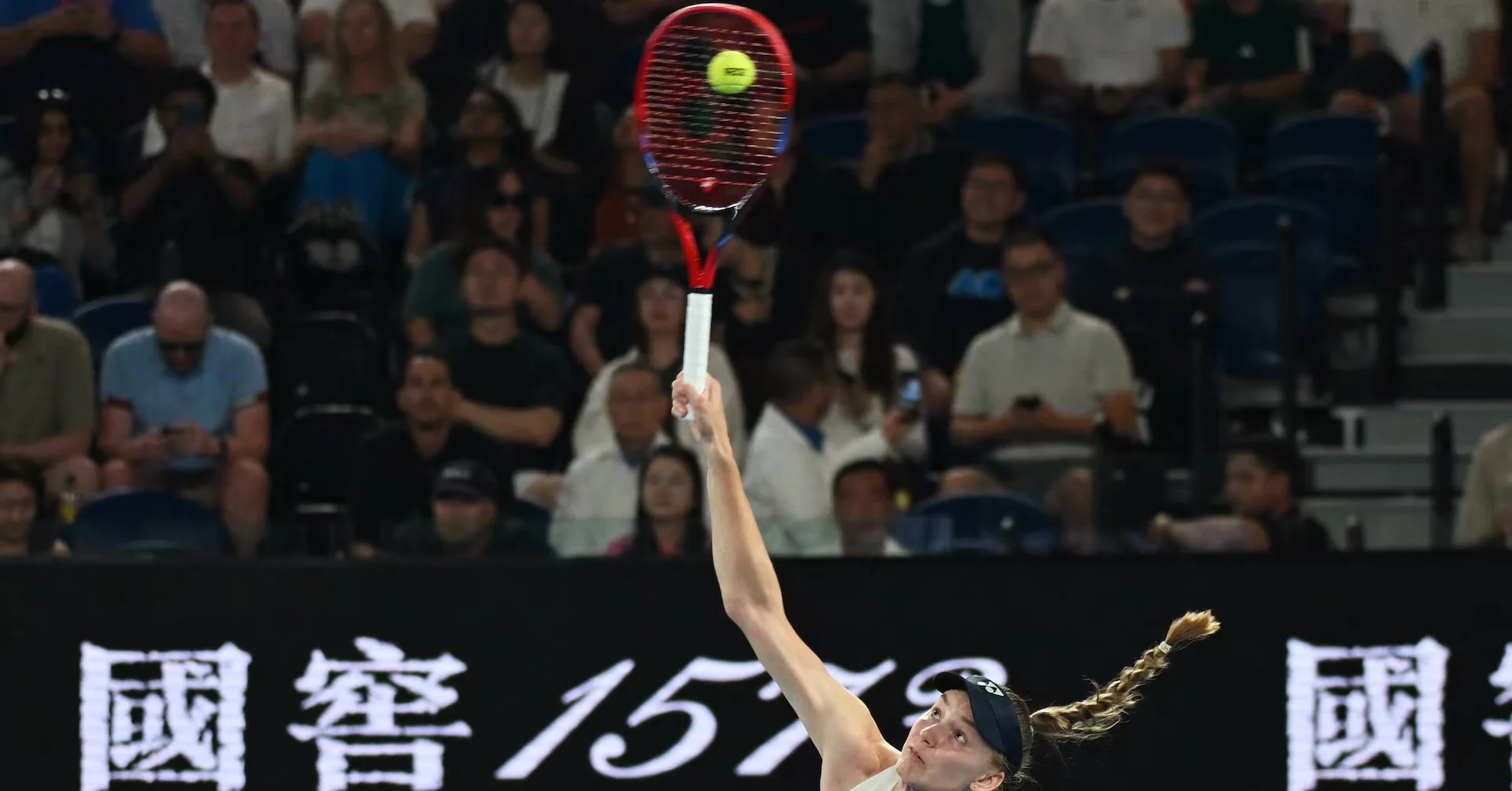
Sabalenka responded forcefully in the second set, increasing her aggression and breaking Rybakina's serve twice to level the match at one set apiece. The third set appeared to be slipping away from Rybakina as Sabalenka raced to a 3-0 lead, but the Kazakh star mounted what commentators are calling one of the greatest comebacks in recent Australian Open history. Rybakina won six of the next seven games, saving two break points at 4-4 before serving out the match with another ace. "I found my best form when I needed it most," Rybakina said in her post-match interview. "After losing that second set, I just tried to focus on each point and trust my game."
From Wimbledon Glory to Melbourne Redemption: Rybakina's Journey
Elena Rybakina's path to her second Grand Slam title has been marked by patience and perseverance. After bursting onto the scene with her Wimbledon victory in 2022, the Russian-born Kazakh faced heightened expectations and a series of near-misses at major tournaments. Her runner-up finish to Sabalenka at the 2023 Australian Open was particularly painful, but it fueled her determination to return stronger. The following timeline highlights key moments in Rybakina's rise:
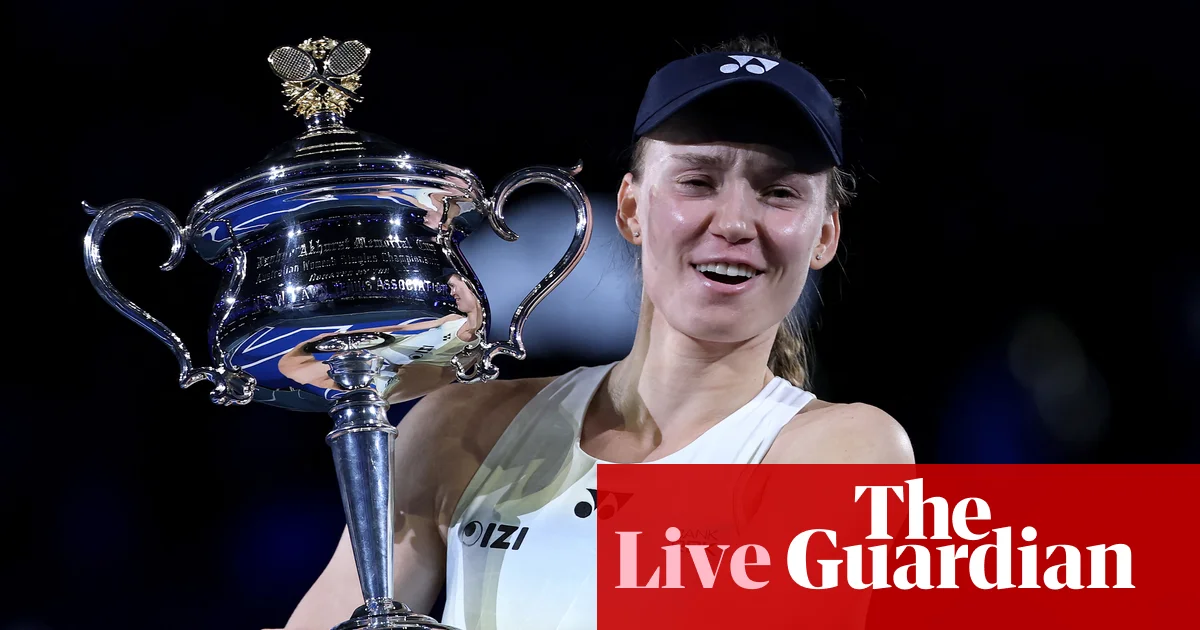
June 2022: Rybakina wins Wimbledon as a 23-year-old, becoming the first Kazakh player to claim a Grand Slam singles title.
January 2023: Loses to Aryna Sabalenka in the Australian Open final in three sets.
September 2023: Reaches career-high ranking of world No. 3 but struggles with consistency throughout the season.
January 2024: Falls in the quarterfinals of the Australian Open to eventual champion Iga Świątek.
January 2025: Advances to the semifinals of the Australian Open before losing to Coco Gauff.
January 2026: Enters Australian Open as fifth seed, defeats world No. 1 Sabalenka to claim her second major title.
"This victory means everything to me," Rybakina told reporters after the match. "After coming so close in 2023, I worked incredibly hard to get back to this stage. To win here in Melbourne, against the best player in the world, is a dream come true."
Why Rybakina's Victory Signals a New Era in Women's Tennis
Elena Rybakina's Australian Open triumph represents more than just another Grand Slam title—it signals a potential shift in the women's tennis landscape. For the past two years, the rivalry between Iga Świątek, Aryna Sabalenka, and Coco Gauff has dominated the sport, but Rybakina's powerful game presents a unique challenge to all three. Standing at 6 feet tall with one of the most formidable serves on tour, Rybakina combines power with improved movement and tactical intelligence that has evolved significantly since her Wimbledon win.
"Rybakina has always had the weapons, but now she has the mental fortitude to match," said former world No. 1 Martina Navratilova in analysis for Tennis Channel. "Her ability to stay calm under pressure today, especially when she was down 3-0 in the third set, shows how much she's grown. She's no longer just a big server; she's a complete player who can win from anywhere on the court."
The statistics from the final support this assessment: Rybakina fired 12 aces to Sabalenka's 8, won 74% of her first-serve points, and converted 3 of 5 break point opportunities. Perhaps most impressively, she committed only 18 unforced errors compared to Sabalenka's 32, demonstrating improved consistency under pressure.
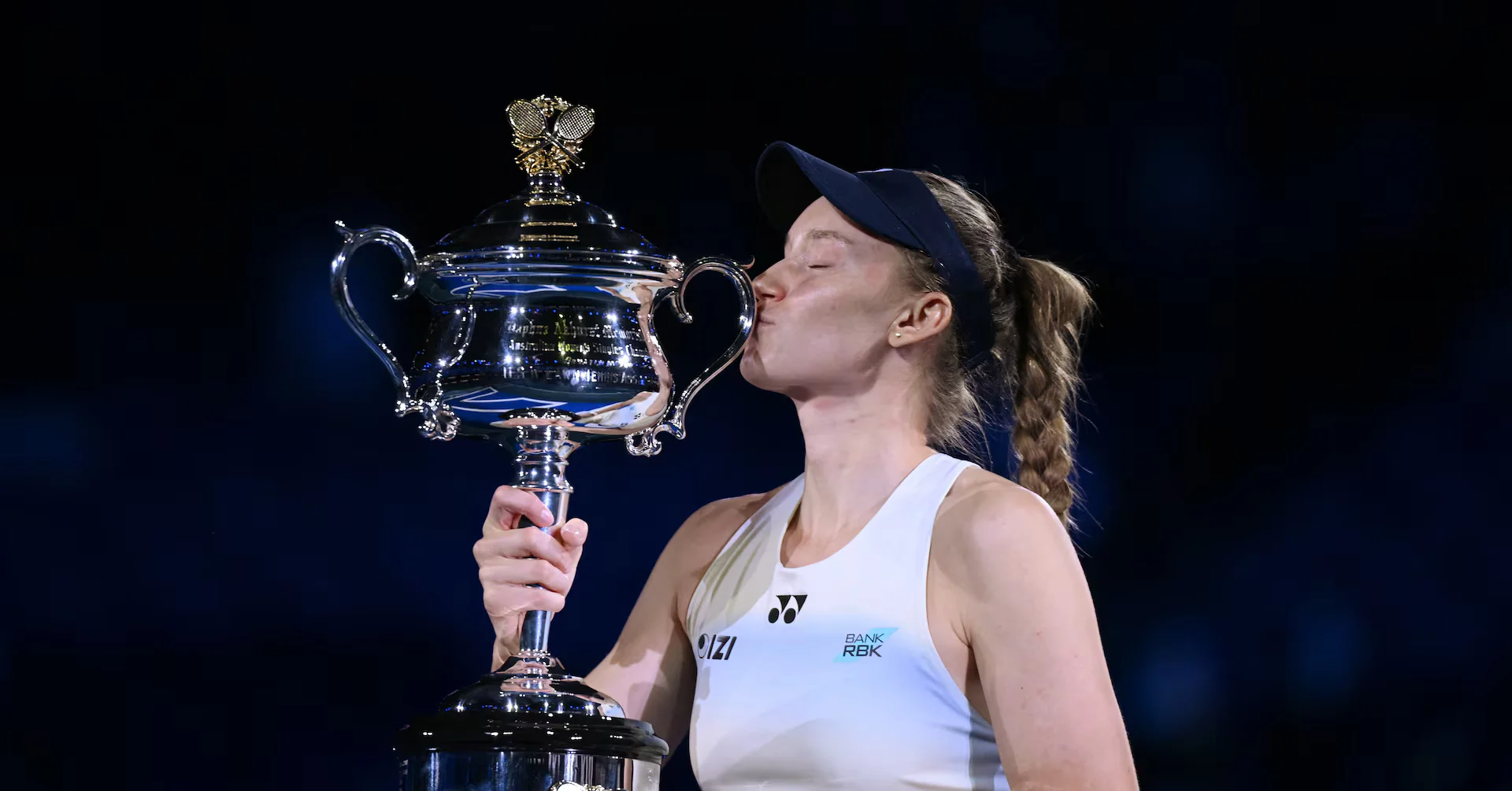
This victory also highlights the growing diversity at the top of women's tennis. Rybakina becomes the first Kazakh player to win the Australian Open and joins a select group of players who have won multiple Grand Slam titles representing countries other than their birthplace (she was born in Moscow but represents Kazakhstan). Her success could inspire a new generation of tennis players in Central Asia and further globalize the sport.
Where Rybakina Stands: Rankings, Prize Money, and Legacy
With her Australian Open victory, Elena Rybakina is projected to rise to world No. 3 in the WTA rankings, matching her career-high position. More significantly, she has closed the gap on Sabalenka and Świątek in the Race to the WTA Finals, positioning herself as a serious contender for the year-end No. 1 ranking. The financial rewards are equally substantial: Rybakina earned $4.15 million (approximately ₹37.77 crore) for her victory, while runner-up Sabalenka received $2.15 million (approximately ₹19.56 crore), according to prize money figures reported by the Times of India.
Beyond the rankings and prize money, Rybakina's legacy is being redefined by this victory. She joins an exclusive group of active players with multiple Grand Slam titles, alongside Serena Williams (retired), Venus Williams, Naomi Osaka, Iga Świątek, Ashleigh Barty (retired), and a few others. At just 26 years old, she now has the opportunity to build on this success and potentially challenge for more major titles throughout the 2026 season.
"Elena has always had the talent to win multiple Slams," said her coach, Stefano Vukov. "But what we've worked on most is her belief in herself during the biggest moments. Today, she proved she can beat anyone on the biggest stage. This is just the beginning for her."
The Road Ahead: Can Rybakina Challenge for More Grand Slams?
With the Australian Open trophy secured, attention now turns to whether Elena Rybakina can maintain this level and challenge for additional Grand Slam titles in 2026. Her game is particularly well-suited to grass courts, making her a favorite for Wimbledon in July, where she won her first major. The French Open's clay courts present a greater challenge, but Rybakina has shown improved movement on the surface in recent years, reaching the quarterfinals at Roland Garros in 2024.
The immediate schedule includes WTA 1000 events in Indian Wells and Miami, where Rybakina has previously performed well. Her improved confidence and match toughness from this Australian Open victory could translate to success throughout the season. "I want to enjoy this moment first," Rybakina said when asked about her goals for the rest of the year. "But of course, I believe I can win more majors. I've proven to myself that I can beat the best players in the world on the biggest stage."
Tennis analysts are particularly intrigued by the potential for a sustained rivalry between Rybakina and Sabalenka. With Sabalenka likely to remain at or near the top of the rankings, and Rybakina ascending, their matches could define the 2026 season. "We saw today that these two players bring out the best in each other," said ESPN analyst Pam Shriver. "Their contrasting styles—Rybakina's power and precision versus Sabalenka's aggression and athleticism—create compelling tennis. I expect we'll see them face each other in several more big finals this year."
Key Takeaways from Rybakina's Australian Open Triumph
Elena Rybakina's victory at the 2026 Australian Open represents a significant moment in women's tennis. Here are the essential points to remember:
- Historic Achievement: Rybakina becomes the first Kazakh player to win the Australian Open and joins an elite group of active multiple Grand Slam champions.
- Mental Fortitude: Her comeback from 3-0 down in the third set against the world No. 1 demonstrates remarkable psychological strength and growth since her 2023 final loss.
- Tactical Evolution: While still relying on her powerful serve, Rybakina showed improved movement, consistency, and point construction throughout the tournament.
- Financial Reward: The $4.15 million prize money represents the largest payday of her career and reflects the growing financial stakes in women's tennis.
- Future Implications: This victory positions Rybakina as a serious contender for the world No. 1 ranking and establishes her as a major threat at all upcoming Grand Slam tournaments.
As the tennis world processes this dramatic Australian Open final, one thing is clear: Elena Rybakina has arrived as a dominant force in women's tennis. Her combination of power, poise, and perseverance makes her not just a champion, but a player capable of defining an era. With the hardcourt season continuing and Wimbledon on the horizon, all eyes will be on the Kazakh star to see if she can build on this breakthrough and cement her place among the all-time greats.