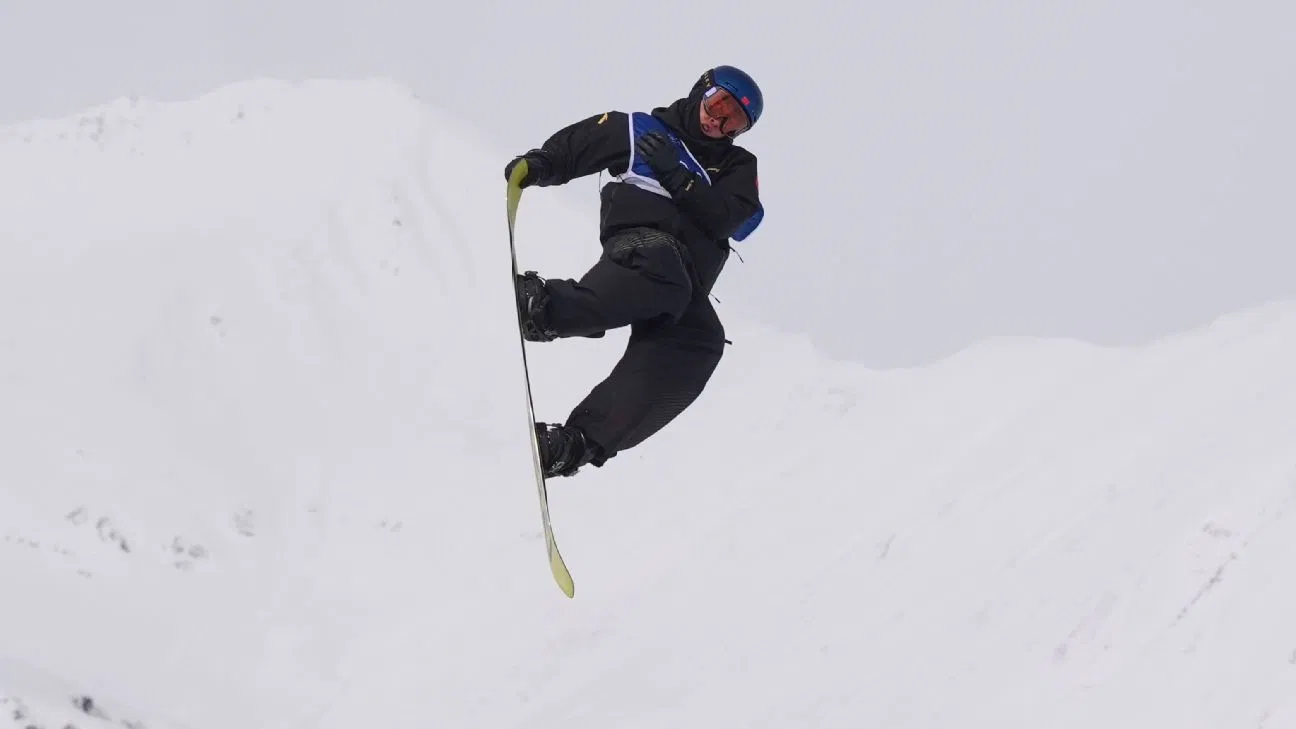
Chinese snowboarder Su Yiming delivered a birthday performance for the ages on Wednesday, winning gold in the men's slopestyle final at the 2026 Winter Olympics in Livigno, Italy. The 22-year-old's victory not only secured China's first gold medal of the Milano Cortina Games but also marked a triumphant return to the podium after his silver medal performance at Beijing 2022. In a dramatic final that saw American Jake Canter snatch bronze with a last-run surge and Japan's Taiga Hasegawa claim silver, the slopestyle event provided one of the most memorable moments of the Games' first week.
How the Slopestyle Final Unfolded: A Birthday Celebration on Snow
Under clear Italian skies at Livigno Snow Park, twelve riders took to the course for Wednesday's medal final, with Su Yiming establishing his dominance from the opening run. According to Olympics.com, Yiming posted a score of 86.45 on his first attempt—a mark that would stand unbeaten throughout the competition. The Chinese rider's run combined technical rail sections with massive jumps, including a frontside triple cork 1440 that drew roars from the crowd.
Japanese rider Taiga Hasegawa kept the pressure on with consistent scores in the low 80s, eventually securing silver with an 83.12 on his final run. But the day's biggest drama belonged to American Jake Canter, who entered his third and final run sitting in tenth position with a score of 65.30. With nothing to lose, the Colorado native unleashed what he later called "the run of my life," landing a cab 1620 mute grab followed by a backside 1800 to earn 79.36 points and vault onto the podium.
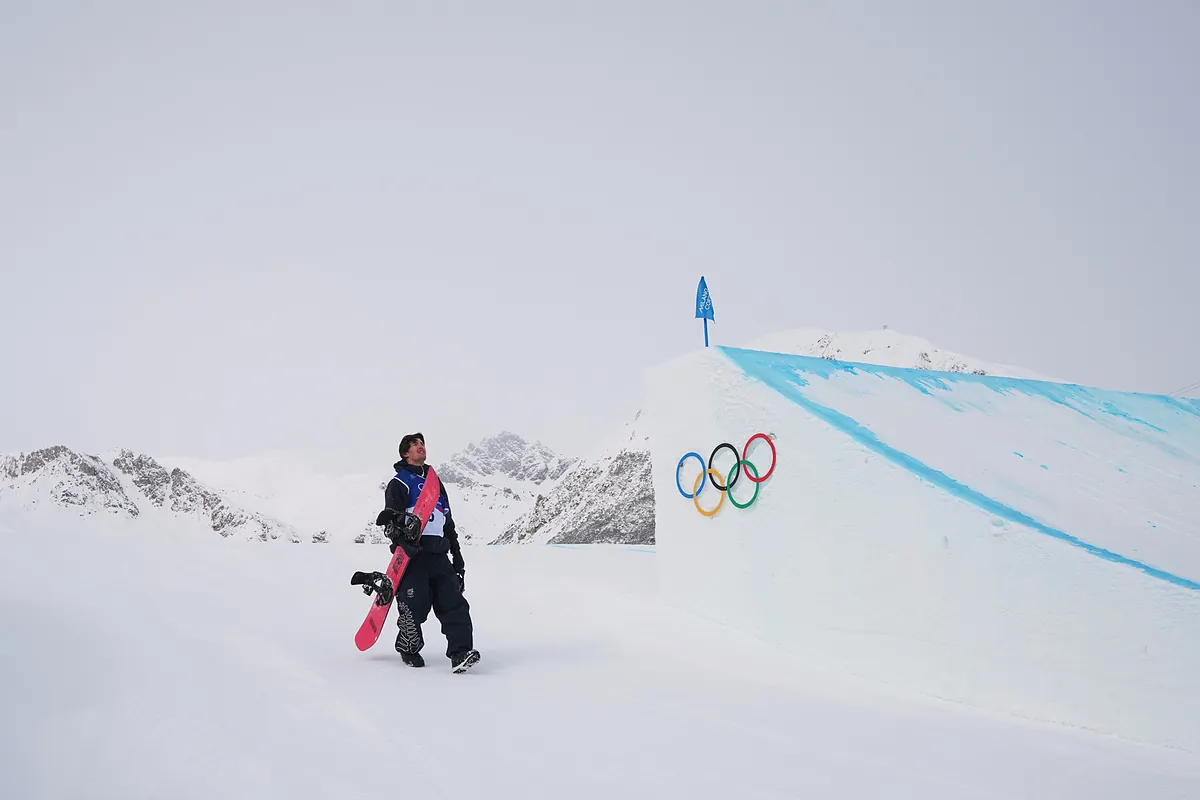
For defending champion Red Gerard, the final proved disappointing. The American, who won gold as a 17-year-old in PyeongChang 2018, struggled to find his rhythm throughout the competition, finishing eleventh with a best score of 68.24. Canada's Mark McMorris, a three-time Olympic bronze medalist, also fell short of the podium in eighth place, while Norway's Marcus Kleveland—considered a favorite coming into the Games—crashed on his second run and finished tenth.
From Qualification to Podium: The Complete Timeline
The path to Wednesday's final began with Sunday's qualification round, where 30 riders competed for 12 spots in the medal event. Gerard barely advanced, finishing eleventh in qualifying—just one position above the cut line. Canter qualified comfortably in sixth, while Su Yiming topped the qualification round with a score of 84.20, signaling his intent for the final.
Wednesday's final unfolded over three runs per rider, with only the best score counting. The competition schedule saw the first run completed by 5:45 AM ET, with Su Yiming immediately taking the lead. By the end of the second run at 6:20 AM ET, Hasegawa had moved into silver position while Canter remained outside the top three. The final run, beginning at 6:55 AM ET, produced the day's most dramatic moments as Canter's bronze-winning performance bumped Sweden's Sven Thorgren off the podium in the closing minutes.
According to NBC Olympics coverage, the medal ceremony took place at Livigno Snow Park at 8:30 AM ET, with Su Yiming receiving his gold medal as Chinese fans in the crowd sang "Happy Birthday" in Mandarin. The celebrations continued at the medals plaza later in the day, where Yiming stood atop the podium as China's national anthem played for the first time at these Winter Games.
Why Su Yiming's Victory Matters: China's Snowboarding Rise
Su Yiming's gold medal represents more than just a birthday triumph—it marks a significant milestone in China's emergence as a snowboarding power. The victory comes exactly four years after Yiming won silver in slopestyle at the Beijing 2022 Games, where he served as one of the faces of China's home Olympics. Now, at 22, he has completed his transformation from teenage prodigy to Olympic champion.
"This gold medal is for China, for all the people who have supported me," Yiming said through a translator after the competition. "To win on my birthday makes this moment even more special. I felt pressure after Beijing, but today I just focused on enjoying my snowboarding."
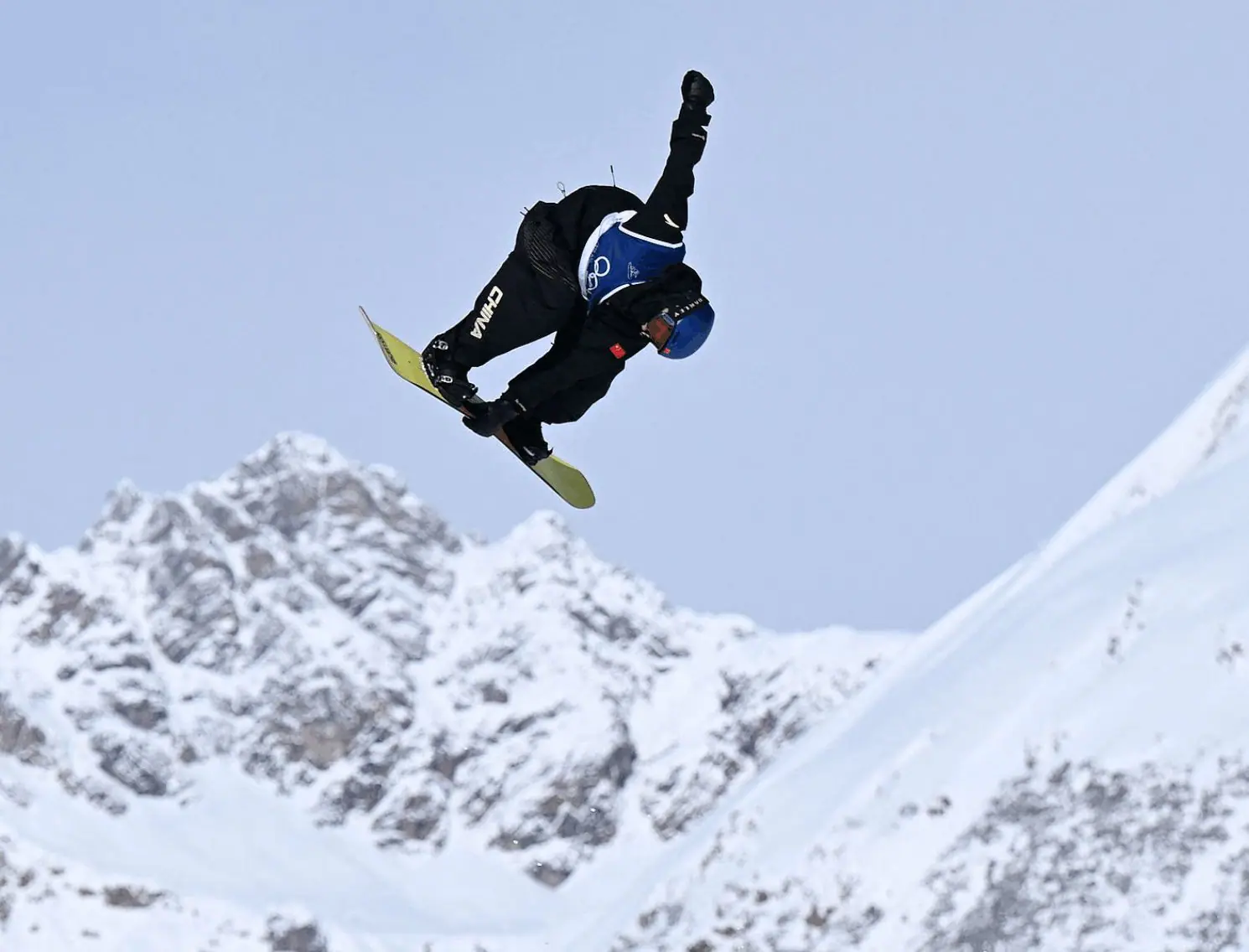
Snowboarding analysts note that Yiming's victory continues China's strategic investment in winter sports following the Beijing Games. According to ESPN's coverage, Chinese officials identified slopestyle and big air as disciplines where they could compete for medals, providing Yiming with world-class coaching and training facilities. The investment has paid off—Yiming now owns four Olympic medals across slopestyle and big air from the past two Games.
Japanese silver medalist Taiga Hasegawa acknowledged Yiming's dominance after the final. "Su is riding at another level right now," Hasegawa told reporters. "His consistency is amazing. To put down that first run under pressure and then have it hold up—that's what champions do."
Jake Canter's Bronze Breakthrough: From World Cup to Olympic Podium
While Su Yiming's victory dominated headlines, Jake Canter's bronze medal performance captured the hearts of American snowboarding fans. The 22-year-old from Silverthorne, Colorado, entered the Olympics with modest expectations after earning his first World Cup victory just one month earlier in Laax, Switzerland. Few predicted he would leave Livigno with an Olympic medal around his neck.
Canter's journey to the podium was nearly derailed by a shaky second run that left him in tenth place heading into his final attempt. With the pressure mounting, he decided to "go for broke," as he later described it. His final run featured the most difficult trick combination he had ever attempted in competition, including a cab 1620 that he had only landed in practice earlier in the week.
"I knew I had nothing to lose," Canter told NBC Philadelphia. "I was sitting in tenth, so I just decided to throw everything I had at it. When I landed that last jump and heard the crowd, I knew I had done something special."
The bronze medal represents a breakthrough moment for American men's slopestyle, which had seen declining results since Red Gerard's 2018 gold. With Canter's podium finish and the emergence of younger riders like Ollie Martin (who finished seventh), the U.S. appears to be rebuilding its pipeline of slopestyle talent.
Where the Sport Stands Now: The Aftermath in Livigno
Wednesday's final revealed several emerging trends in competitive slopestyle. The most notable was the increasing importance of rail sections, where Su Yiming excelled with creative approaches and technical precision. While big jumps still draw the loudest crowd reactions, judges are placing greater emphasis on the entire course—a shift that favors versatile riders like Yiming over those who specialize solely in aerial maneuvers.
The competition also highlighted the sport's geographic diversification. For the first time in Olympic slopestyle history, the podium featured riders from three different continents—Asia, North America, and Europe. This contrasts with earlier Olympics where American and Canadian riders dominated the medals.
Reactions from the snowboarding community poured in throughout Wednesday. Three-time Olympic medalist Shaun White posted on social media: "What a show in Livigno! Congrats to Su Yiming on an incredible birthday win, and huge props to Jake Canter for that clutch final run. This is why we love Olympic snowboarding."
For Red Gerard, the disappointment was palpable but tempered by perspective. "It's tough when you don't perform how you want to," he told The Athletic. "But I'm proud to be here competing. Snowboarding has given me so much, and I'll be back."
What's Next for Snowboarding Slopestyle?
With the Olympic slopestyle competition concluded, attention now turns to the remainder of the snowboarding program at Milano Cortina 2026. Su Yiming is expected to compete in big air later this week, where he could potentially add to his medal collection. Meanwhile, Jake Canter's bronze medal performance has positioned him as a new star in American snowboarding, with endorsement opportunities and increased visibility likely to follow.
Long-term, Wednesday's final may signal a changing of the guard in men's slopestyle. At 22, both Yiming and Canter represent a new generation of riders who grew up watching the sport's Olympic pioneers. Their technical precision and consistency suggest that the days of relying on single spectacular runs to win medals may be ending.
The International Olympic Committee has already confirmed slopestyle's place on the program for the 2030 Winter Olympics, with discussions underway about potential format changes to increase the sport's appeal. One proposal being considered is a "best trick" format for the final round, which would encourage riders to attempt their most difficult maneuvers without fear of falling.
Key Takeaways from the 2026 Olympic Slopestyle Final
As the snow settles in Livigno, several key points emerge from Wednesday's historic competition:
- Su Yiming's gold medal represents China's first top-of-the-podium finish at the 2026 Winter Olympics, validating the country's investment in snowboarding development.
- Jake Canter's bronze demonstrates that Olympic medals can be won with clutch performances under pressure, regardless of pre-Games expectations.
- The podium diversity—with medals going to China, Japan, and the United States—reflects snowboarding's global growth since its Olympic debut in 1998.
- Red Gerard's failure to medal highlights the sport's increasing competitiveness, where past success guarantees nothing in the next Olympic cycle.
- The competition's emphasis on rail performance suggests that future slopestyle champions will need to excel in all aspects of the course, not just the jumps.
As Su Yiming celebrated his golden birthday on the podium, he offered a glimpse into what drives this new generation of snowboarders. "We're not just competing for medals," he said. "We're trying to push the sport forward, to show what's possible on a snowboard. Today was a good step, but there's always more to come."