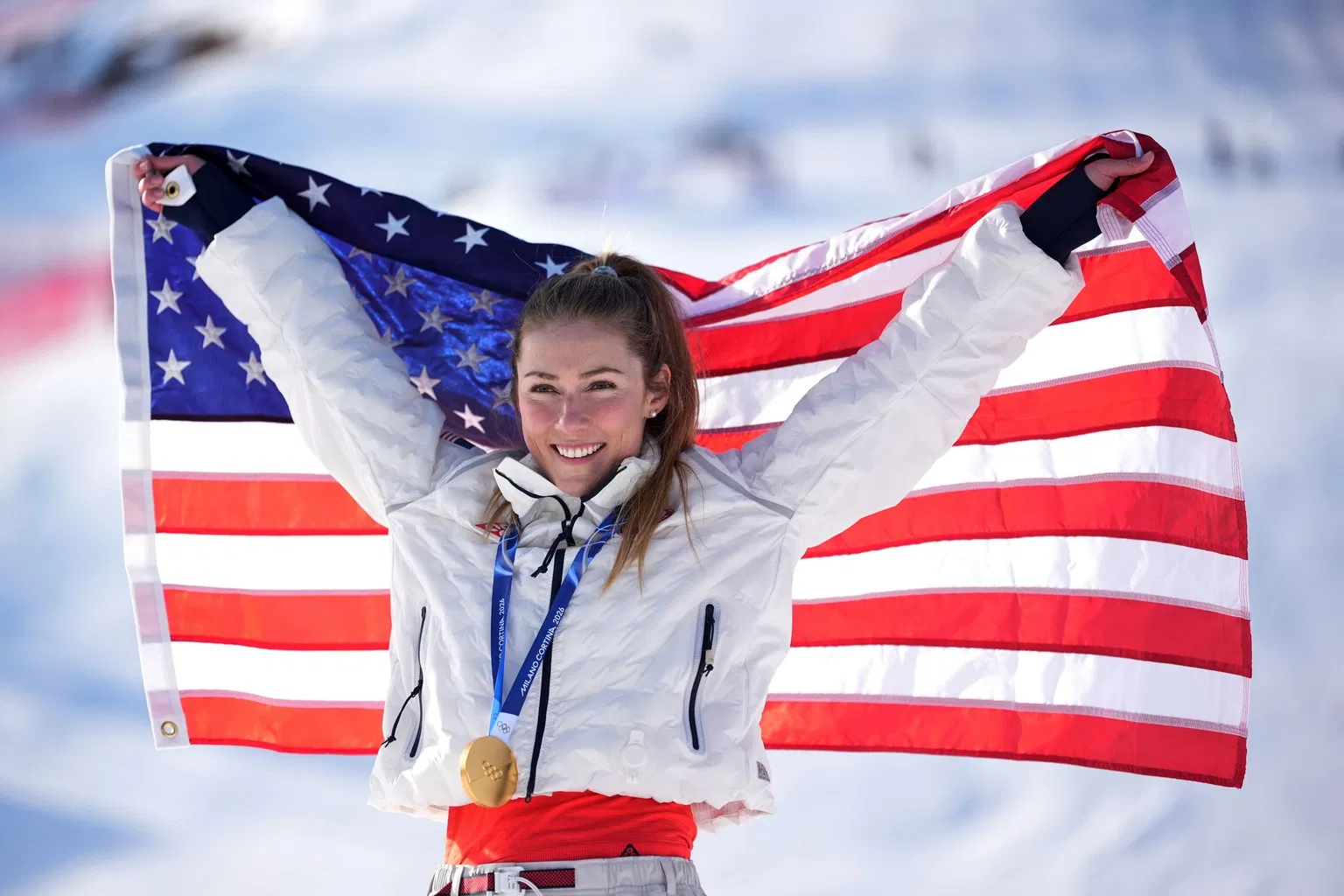
Mikaela Shiffrin has done it again. The American skiing superstar ended an eight-year Olympic medal drought in spectacular fashion, capturing the women's slalom gold at the 2026 Winter Olympics in Cortina d'Ampezzo, Italy, on Wednesday. With a dominant performance that saw her finish a staggering 1.50 seconds ahead of Switzerland's Camille Rast, Shiffrin not only secured her third Olympic gold medal but also cemented her status as the greatest alpine skier of all time.
How Shiffrin Dominated the Slalom: A Historic Victory for the Ages
From the moment she pushed out of the start gate, Shiffrin displayed the technical precision and aggressive racing that has defined her career. Her first run time of 51.97 seconds gave her a commanding 0.82-second lead over Germany's Lena Dürr, putting the rest of the field on notice. In the second run, Shiffrin extended her advantage with another flawless descent, crossing the finish line with a combined time of 1:39.10—1.50 seconds clear of silver medalist Camille Rast.
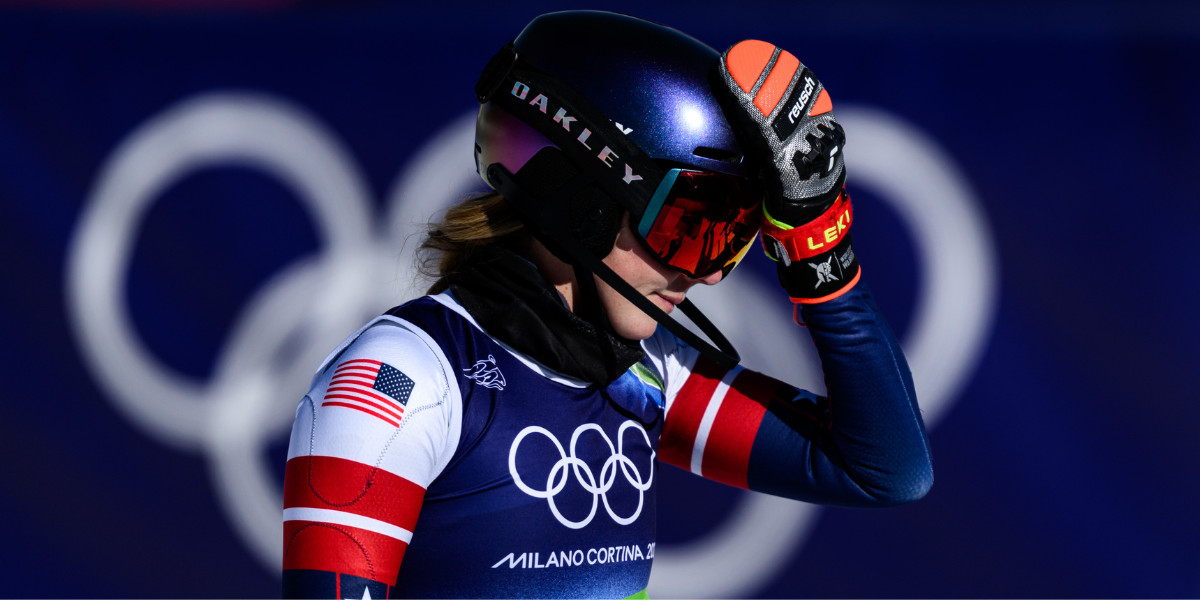
The margin of victory represents the largest in any Olympic Alpine race since 1998, according to NBC Olympics analysis. "I knew I had to attack from the very beginning," Shiffrin said after the race. "This course demanded everything, and I was ready to give it." The victory marked a triumphant return to the Olympic podium for Shiffrin, who had not won an Olympic medal since taking gold in the giant slalom at the 2018 PyeongChang Games.
From Sochi to Cortina: The 12-Year Journey to Olympic Redemption
Shiffrin's path to this historic third gold was anything but straightforward. Her Olympic journey began in 2014 when, at age 18, she became the youngest American woman to win Olympic gold in alpine skiing with her slalom victory in Sochi. Four years later in PyeongChang, she added giant slalom gold to her collection. But the years between 2018 and 2026 tested the champion like never before.
In February 2020, Shiffrin's father, Jeff Shiffrin, died unexpectedly at age 65. The loss devastated the skier, who took an extended break from competition. Then in November 2024, during a World Cup giant slalom in Killington, Vermont, Shiffrin suffered a freak accident when she crashed into a slalom gate, sustaining a puncture wound to her abdomen that required surgery and months of rehabilitation. She missed the bulk of the 2024-25 season, raising questions about whether she could return to peak form for the 2026 Olympics.
"There were moments when I wondered if I'd ever ski at this level again," Shiffrin admitted in post-race interviews. "But my team, my family, and the memory of my dad kept me going through the darkest days."
Why This Gold Medal Redefines Shiffrin's Legacy
With this victory, Shiffrin achieves what no alpine skier has done before: winning Olympic gold medals 12 years apart. She becomes both the youngest (18 in 2014) and oldest (30 in 2026) woman to win Olympic Alpine gold, a remarkable bookend to her Olympic career. The achievement solidifies her position as the most decorated alpine skier in history, with 95 World Cup wins, seven World Championship gold medals, and now three Olympic golds.
"What Mikaela has accomplished transcends sports," said former U.S. ski team coach Phil McNichol. "She's not just breaking records; she's redefining what's possible in alpine skiing. To maintain that level of excellence across three Olympic cycles, through personal tragedy and serious injury, is unprecedented."
Swiss skier Camille Rast, who finished second to Shiffrin, acknowledged the historical significance. "We're all witnessing greatness," Rast said. "Mikaela is setting standards that will inspire generations of skiers. To lose to her by such a margin is actually an honor—we were racing against history today."
Where Shiffrin Stands After Olympic Triumph
Immediately after her victory, Shiffrin was visibly emotional, pointing to the sky in tribute to her father. "This one's for you, Dad," she said through tears. "He didn't get to see my last gold, but I know he was watching today." The victory brought closure to what Shiffrin called "eight years of questions" about her Olympic future.
Reactions poured in from across the sports world. Lindsey Vonn, Shiffrin's former teammate and another skiing legend, posted on social media: "So proud of you, Mikaela! You've overcome more than anyone knows. This gold is the sweetest yet." The U.S. Ski and Snowboard Team called the victory "one of the greatest moments in American skiing history."
Shiffrin's win also provided a much-needed boost for the U.S. Olympic team, which had experienced mixed results in alpine events at the 2026 Games. Her gold was the first for the U.S. in alpine skiing at the Milano Cortina Olympics and helped secure the country's position in the medal table.
What's Next for Mikaela Shiffrin After Historic Gold?
With her third Olympic gold secured, questions naturally turn to Shiffrin's future. The skier has been noncommittal about retirement, stating that she plans to "enjoy this moment" before making any decisions about her career. At 30, she remains competitive on the World Cup circuit, where she continues to chase Ingemar Stenmark's all-time record of 86 World Cup victories (Shiffrin currently has 95, having already broken the record).
"I still love skiing," Shiffrin told reporters. "I love the competition, I love the training, I love the process. As long as that fire burns, I'll keep going." She indicated that she would likely compete through the remainder of the 2025-26 World Cup season and evaluate her future during the offseason.
Looking further ahead, the 2030 Winter Olympics in Salt Lake City present an intriguing possibility for Shiffrin to compete on home soil. While she would be 34—considered older for an alpine skier—her ability to maintain elite performance suggests she could potentially challenge for a fourth Olympic gold.
Key Takeaways from Shiffrin's Golden Moment
- Historic Margin: Shiffrin's 1.50-second victory is the largest in Olympic Alpine racing since 1998, demonstrating her dominance.
- Record-Breaking Achievement: She becomes the first alpine skier to win Olympic gold medals 12 years apart, setting a new standard for longevity.
- Overcoming Adversity: The victory comes after personal tragedy (her father's death) and serious injury (2024 abdominal surgery), showcasing remarkable resilience.
- Legacy Cemented: With three Olympic golds and 95 World Cup wins, Shiffrin has secured her place as the greatest alpine skier in history.
- Future Uncertainty: While noncommittal about retirement, Shiffrin's continued passion for skiing suggests she may compete through at least the 2026-27 season.
As the alpine skiing events concluded at the 2026 Winter Olympics, Mikaela Shiffrin's golden moment stood as the defining highlight—a testament to perseverance, skill, and the enduring spirit of a champion who refused to be defined by setbacks. Her journey from teenage phenom to seasoned veteran, with all its triumphs and tribulations, has created one of the most compelling narratives in Olympic history.