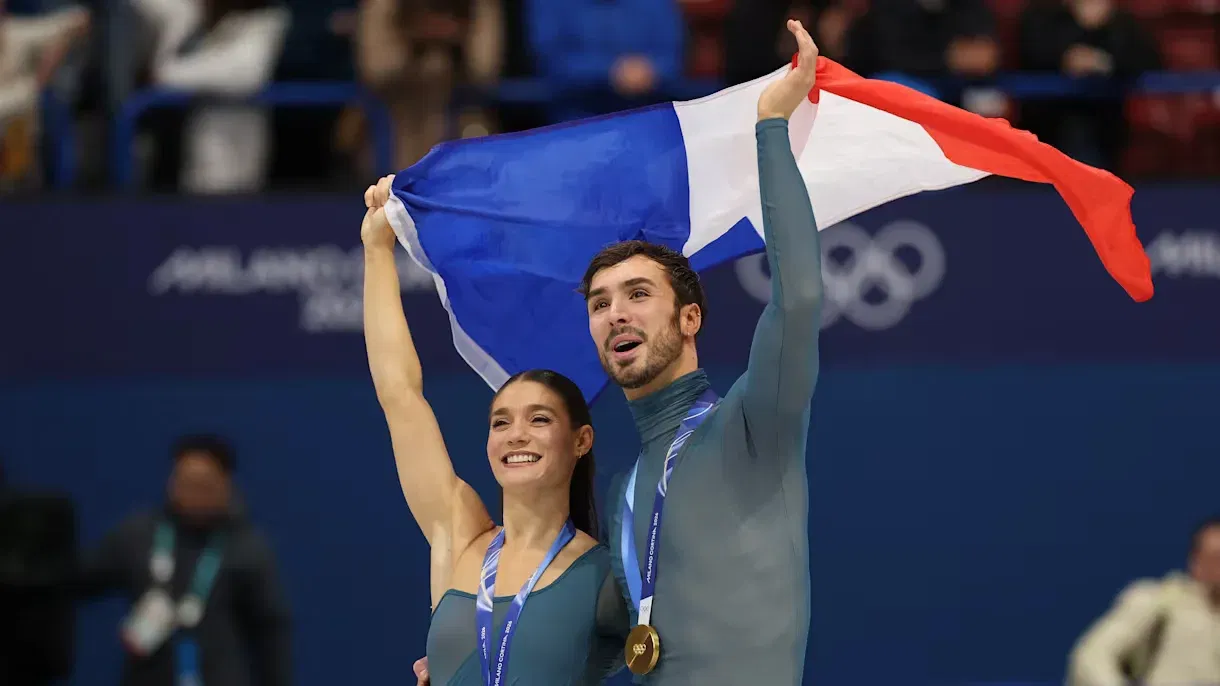
In a stunning upset that will be remembered for both its athletic brilliance and surrounding controversy, French ice dancers Laurence Fournier Beaudry and Guillaume Cizeron captured the gold medal at the Milan Cortina 2026 Winter Olympics on Wednesday, defeating American favorites Madison Chock and Evan Bates by a razor-thin margin of just 1.43 points. The newly-formed French duo, skating together for barely a year, delivered two near-perfect programs to finish with 225.82 total points, while the three-time reigning world champions from the United States settled for silver with 224.39 points in one of the closest ice dance finishes in Olympic history.
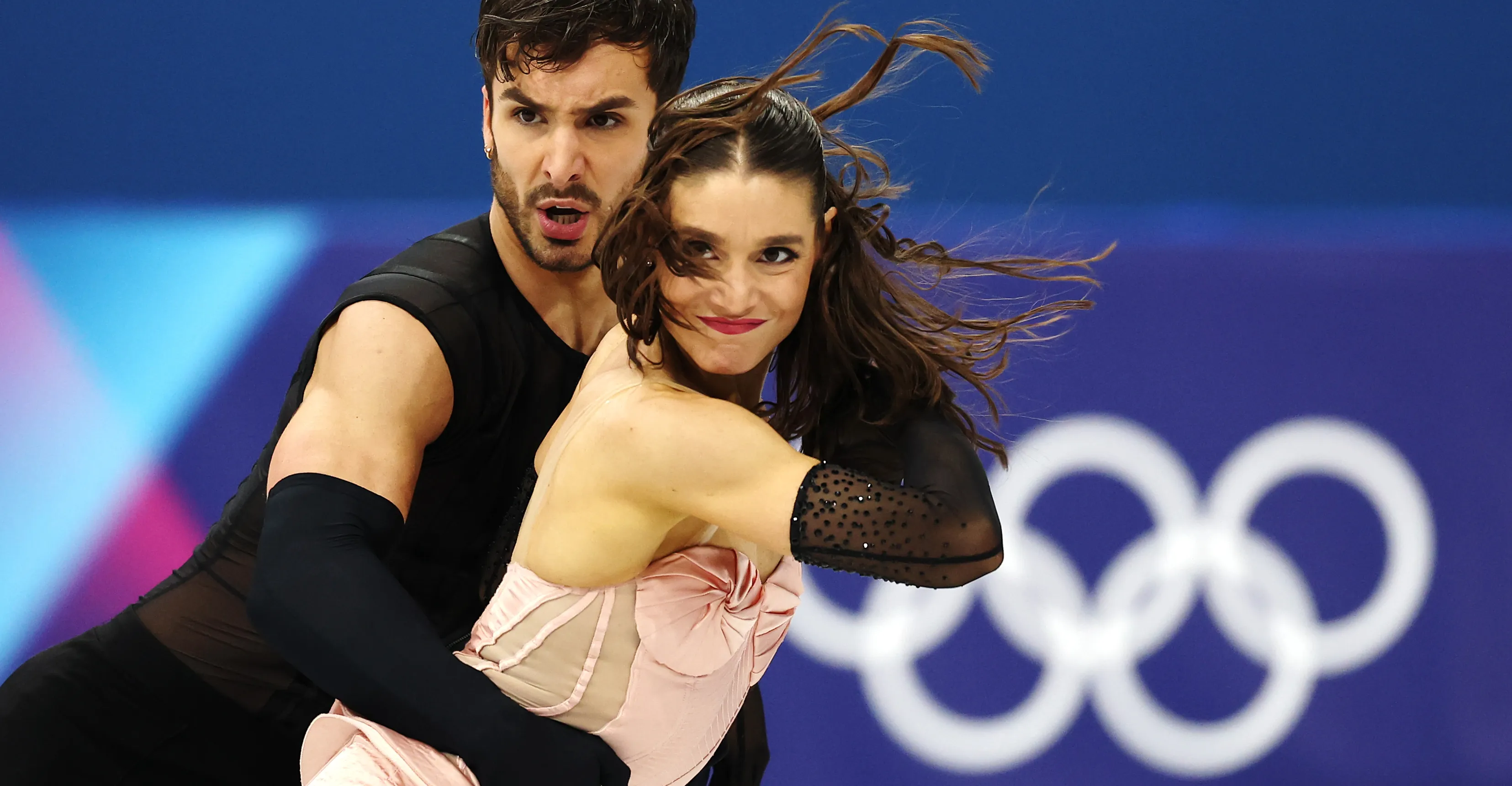
How France's New Ice Dance Duo Dethroned the World Champions
The French victory represents one of the most remarkable stories in recent Olympic figure skating history. Fournier Beaudry, 33, and Cizeron, 31, only announced their partnership on March 2, 2025, yet managed to develop the chemistry and technical precision typically requiring years of collaboration. Their rhythm dance score of 90.18 put them in the lead heading into Wednesday's free dance, where they delivered a mesmerizing performance set to a contemporary arrangement of classical music that earned them 135.64 points from the judges.
"We knew we had something special from our first practice together," Cizeron told reporters after the medal ceremony. "The connection was immediate, and we believed we could achieve something historic here in Milan." For Cizeron, this victory marks an unprecedented achievement—he becomes the first ice dancer in history to win Olympic gold with two different partners, having previously triumphed with Gabriella Papadakis at the Beijing 2022 Games.
The American duo of Chock and Bates, who entered the competition as heavy favorites after dominating the sport for the past four years, delivered what they called "the performance of our lives" but fell just short. "It's bittersweet," said Bates, fighting back emotions. "We skated perfectly, but sometimes perfect isn't enough when someone else skates perfectly too." Chock added, "We're proud of what we accomplished, but obviously disappointed to come so close."
Timeline: From Scandal to Gold Medal in Just 11 Months
The road to this Olympic gold was anything but conventional. The partnership between Fournier Beaudry and Cizeron emerged from one of figure skating's most painful controversies. Fournier Beaudry previously skated for Canada with Danish-born partner Nikolaj Sørensen, who also happens to be her romantic partner. In October 2024, Sørensen was banned for six years by Canada's Office of the Sport Integrity Commissioner following an investigation into allegations that he raped an American figure skater after a party in April 2012.
The alleged victim, whose identity has been protected, stated in her report obtained by USA Today: "I pushed my arms against his hips to try to get his penis out of me and I was struggling to breathe. At this point, I feared for my life and let my body go limp as I lay there and he raped me." Sørensen has maintained his innocence throughout, and the ban was later overturned on jurisdictional grounds, with the case currently under appeal.
With her skating career suddenly in jeopardy, Fournier Beaudry faced a difficult decision. She chose to defend her boyfriend publicly, telling Netflix's ice dance docuseries Glitter and Gold: "I know my boyfriend 100 percent. I know him and we stand strong together." She added, "When they decided to suspend him it meant his career was over. Which also meant that my career was over."
But her career wasn't over. Within months, she partnered with Cizeron, whose own partnership with Papadakis had ended following her retirement. The new French team quickly gelled, winning the French National Championships in December 2025 and placing second at the European Championships in January 2026 before arriving in Milan as dark horse contenders.

The Bigger Picture: Why This Victory Changes Everything for Ice Dancing
The French victory represents a seismic shift in the world of ice dance, a discipline traditionally dominated by partnerships that develop over many years. "What they've accomplished in less than a year is absolutely extraordinary," said former Olympic champion Scott Moir in commentary for NBC. "It challenges everything we thought we knew about how long it takes to build championship-level chemistry in ice dance."
Yet the triumph comes with a complex ethical dimension that has divided the skating community. Many fans and commentators have struggled to celebrate the victory fully given the serious allegations against Sørensen and Fournier Beaudry's vocal support for him. "It's difficult to root for this team when you know the background," said veteran skating journalist Christine Brennan. "The sport is trying to address serious issues of abuse, and here we have a gold medalist who has publicly stood by someone accused of rape."
Other observers argue that Fournier Beaudry and Cizeron should be judged solely on their skating. "What happened with Sørensen is being adjudicated through the proper channels," said International Skating Union president Jae Youl Kim. "These athletes have competed within the rules and delivered exceptional performances. We must separate the personal from the professional."
The controversy has sparked broader conversations about how sports organizations handle allegations of abuse and whether athletes should face consequences for supporting accused colleagues. Several sponsors have reportedly hesitated to endorse the French duo despite their Olympic success, reflecting the commercial complexities of their victory.
Where Things Stand Now: The Medal Ceremony and Immediate Fallout
Following Wednesday's competition, the medal ceremony presented a study in contrasting emotions. The French duo beamed as they received their gold medals, while Chock and Bates managed gracious smiles despite visible disappointment. The bronze went to Canadian veterans Piper Gilles and Paul Poirier, who scored 221.45 points for their third Olympic medal.
In post-competition interviews, Fournier Beaudry addressed the controversy directly for the first time. "I understand that people have questions," she said. "But I hope today they can see us for what we are: two athletes who have worked incredibly hard to achieve our dream. What's happening legally with Nikolaj is separate from what we accomplished on the ice tonight."
Cizeron echoed his partner's sentiments while emphasizing their focus on skating. "We came here to skate our best, and that's what we did," he said. "The rest is outside our control. We're just grateful for this moment."
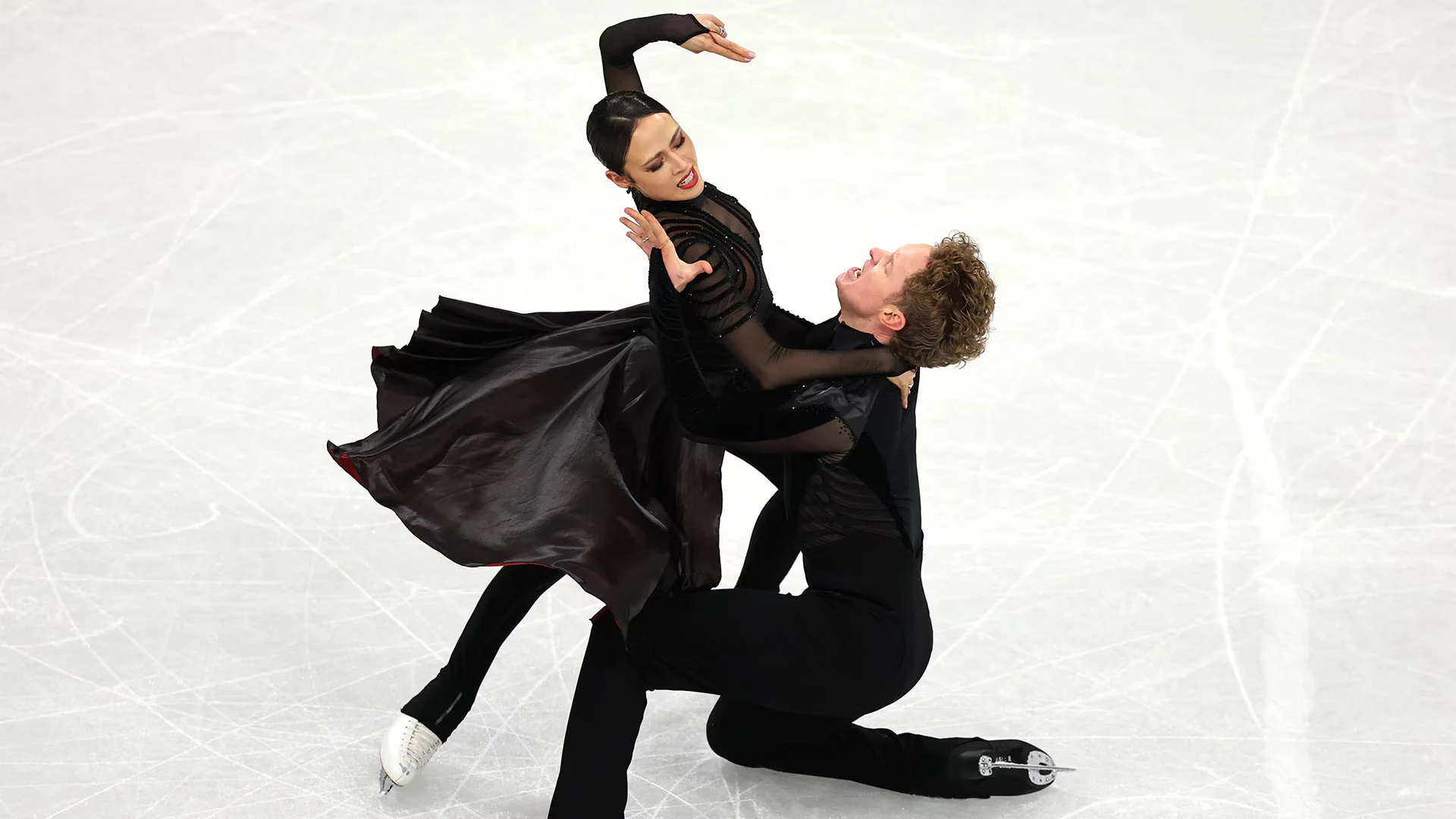
What Happens Next: The Future of Ice Dance After Milan
The stunning outcome in Milan has immediately reshaped expectations for the future of ice dance. At 31 and 33 respectively, Cizeron and Fournier Beaudry haven't indicated whether they'll continue competing, though their historic achievement might make retirement an appealing option. "We need time to process this," Cizeron said when asked about their future. "Right now, we just want to enjoy what we've accomplished."
For Chock and Bates, both 34, the silver medal likely marks the end of their competitive careers, though neither has made an official announcement. "We'll take some time to reflect on what this means," Bates said. "We've given everything to this sport for so many years."
The broader impact on figure skating may be more significant. The International Skating Union is already facing pressure to reconsider how it handles cases where athletes are implicated in controversies off the ice. "This situation highlights the need for clearer policies," said sports ethicist Dr. Elena Rodriguez. "When an athlete's actions off the ice conflict with the values the sport claims to uphold, there should be mechanisms to address that."
Meanwhile, the Sørensen case continues through the appeals process, with a final decision expected later this year. Whatever the outcome, it will inevitably remain linked to this Olympic victory, creating a complex legacy for Fournier Beaudry and Cizeron's gold medal.
The Bottom Line: 5 Key Takeaways from the 2026 Ice Dance Competition
- Historic Achievement: Guillaume Cizeron becomes the first ice dancer to win Olympic gold with two different partners, cementing his status as one of the greatest in the sport's history.
- Record-Breaking Partnership: Fournier Beaudry and Cizeron achieved Olympic gold in just 11 months as a team, shattering assumptions about how long it takes to develop championship-level chemistry.
- Closest Finish Ever: The 1.43-point margin between gold and silver represents one of the narrowest victories in Olympic ice dance history, demonstrating the incredible depth of competition.
- Controversial Context: The victory occurs against the backdrop of serious sexual abuse allegations against Fournier Beaudry's former partner, creating ethical complexities that extend beyond the skating itself.
- Changing Landscape: The result signals a potential shift in ice dance, where established multi-year partnerships may no longer hold an insurmountable advantage over talented new pairings.
As the Milan Cortina Games continue, the ice dance competition will be remembered not just for its athletic excellence but for the difficult questions it raises about how sports navigate the intersection of competitive achievement and ethical responsibility. For better or worse, Fournier Beaudry and Cizeron's gold medal has become about more than just skating—it's now part of an ongoing conversation about what we value in our champions and what we're willing to overlook in pursuit of Olympic glory.