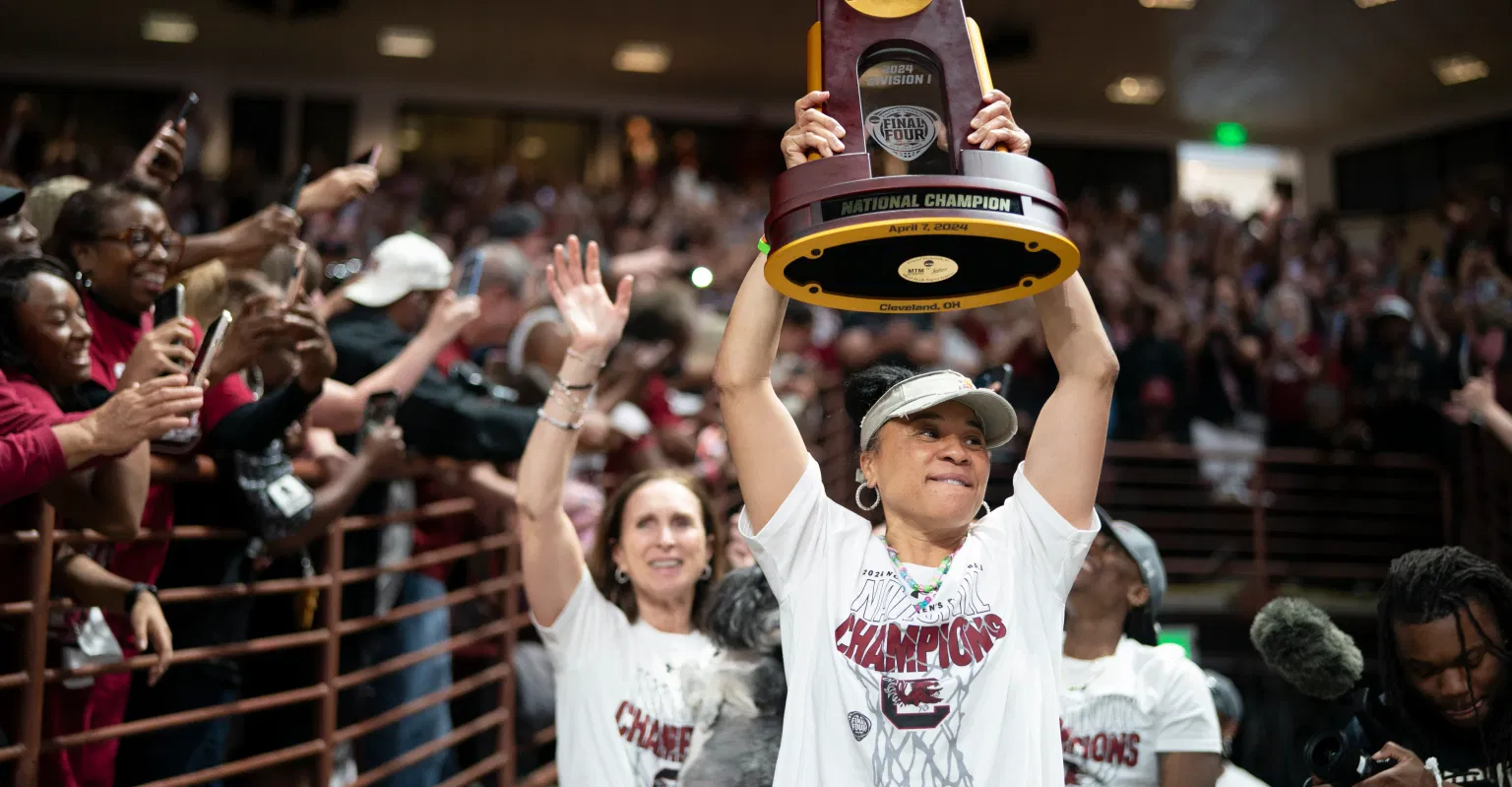
The 2026 NCAA women's basketball tournament bracket is set, and the road to Phoenix begins with unprecedented stakes as the undefeated UConn Huskies aim to complete a perfect season and secure their 13th national championship. With Selection Sunday complete and the 68-team field finalized, this year's March Madness promises high drama, elite matchups, and the burning question dominating every bracket: can anyone stop UConn's historic run?
How the 2026 Tournament Unfolded: Inside the Bracket Reveal
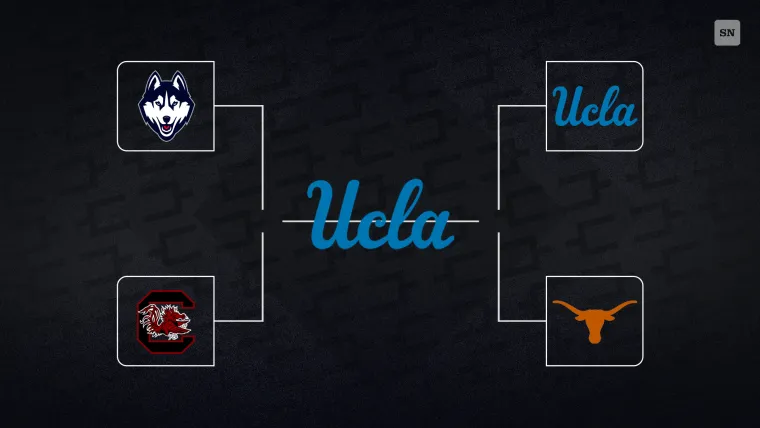
The NCAA selection committee awarded UConn the No. 1 overall seed following a dominant 34-0 regular season and Big East Tournament championship. The Huskies enter their 37th consecutive NCAA tournament appearance with the weight of history on their shoulders, seeking to become the first women's team since Baylor in 2012 to finish a season undefeated while winning the national title. Joining UConn as No. 1 seeds are UCLA (30-4), Texas (29-5), and defending runner-up South Carolina (31-3), creating a formidable quartet atop the bracket.

"UConn has been the dominant force all season, but what makes this tournament particularly compelling is the depth of challengers," said ESPN analyst Rebecca Lobo. "UCLA has the offensive firepower, Texas has the defensive identity, and South Carolina has the championship experience to disrupt UConn's plans." The Huskies' path through the Albany Regional features potential matchups with No. 4 seed North Carolina in the Sweet 16 and either No. 2 LSU or No. 3 Ohio State in the Elite Eight.
Timeline: The Road to Phoenix from Selection Sunday to Championship
The 44th edition of the NCAA Division I women's basketball tournament follows a carefully structured schedule that culminates in Phoenix's State Farm Stadium. Selection Sunday on March 15 set the stage, with the First Four games scheduled for March 18-19 at campus sites. The first round begins March 20-21 at eight locations across the country, followed by second-round games March 22-23.
Regional action shifts to neutral sites for the Sweet 16 (March 27-28) and Elite Eight (March 29-30), with games split between Fort Worth, Texas, and Sacramento, California. The Final Four takes place Friday, April 3 in Phoenix, Arizona, with the national championship game scheduled for Sunday, April 5. This marks the first time Phoenix has hosted the women's Final Four since 2021, returning to a city that has become a regular rotation site for the sport's premier event.
The complete tournament schedule provides fans with non-stop action across ESPN's family of networks, including ABC's coverage of select first-round games and the championship. With tip times ranging from midday to primetime slots, the tournament maintains its status as one of the most accessible and widely viewed women's sporting events globally.
Why This Tournament Matters: Expert Analysis and Historical Context
Beyond UConn's pursuit of perfection, the 2026 tournament represents a critical moment for women's college basketball's competitive balance. "We're seeing the sport's evolution in real time," said Sporting News analyst Carlan Gay. "While UConn remains the gold standard, programs like UCLA, Texas, and even emerging powers like Notre Dame and Virginia Tech have closed the gap significantly."
Historical data reveals the challenge facing the Huskies: only seven women's teams have completed undefeated national championship seasons in NCAA history, with UConn accounting for six of those perfect campaigns. The last came in 2016, when Breanna Stewart led the Huskies to their fourth consecutive title. Current UConn stars like sophomore phenom Sarah Strong and veteran guard Paige Bueckers (in her final collegiate season) must navigate unprecedented pressure while facing increasingly prepared opponents.
Financial implications also loom large, with the tournament maintaining its 68-team format for 2026 despite ongoing discussions about potential expansion. The NCAA confirmed in August 2025 that both men's and women's tournaments would remain at 68 teams through at least 2027, ensuring familiar bracket dynamics while broadcast negotiations continue for future cycles.
Where Things Stand Now: Latest Tournament Developments and Matchups
As first-round games tip off, several storylines dominate the conversation. In the Portland Regional, No. 1 seed UCLA faces a potentially treacherous path that could include a Sweet 16 matchup with rival USC and an Elite Eight showdown against either Iowa or Notre Dame. The Hawkeyes, led by standout guard Taylor McCabe, enter as a No. 2 seed despite losing Caitlin Clark to graduation, proving the program's sustained excellence.
Texas earned the top seed in the Dallas Regional but must contend with a bracket featuring No. 2 Stanford and No. 3 Louisville, both programs with recent Final Four experience. South Carolina headlines the Albany Regional opposite UConn, setting up the possibility of a championship game rematch from 2025, when the Huskies defeated the Gamecocks 76-68.
First-round matchups to watch include No. 7 NC State versus No. 10 Tennessee (a battle of storied programs), No. 5 Maryland against No. 12 Murray State (featuring potential Cinderella), and No. 6 Baylor versus the First Four winner between Nebraska and Richmond. Each contest carries implications for bracket integrity and the eventual Final Four composition.
What Happens Next: Predictions and Potential Tournament Outcomes
Expert predictions reveal divided opinions on UConn's championship viability. ESPN's panel of analysts gave the Huskies a 65% chance to reach the Final Four but only a 42% probability of winning the national title. "The data suggests UConn is the favorite but far from a lock," said ESPN's Charlie Creme. "Their offensive efficiency ranks historically high, but tournament basketball introduces variables that even dominant teams can't fully control."
Sporting News' Carlan Gay projects a Final Four of UCLA, Texas, South Carolina, and Iowa, with UCLA defeating South Carolina for the championship. This prediction reflects growing sentiment that UConn's unprecedented regular-season dominance might not translate to tournament success against equally motivated opponents. "UConn is undefeated, loaded and chasing another title," Gay noted, "but my bracket says the Huskies' run won't end with a national championship."
The Guardian's panel of contributors highlighted similar skepticism, with several experts picking UCLA or South Carolina to cut down the nets. This consensus emerges despite UConn's average margin of victory exceeding 30 points during the regular season, underscoring the respect for other elite programs and the unpredictable nature of single-elimination basketball.
The Bottom Line: Essential Takeaways from the 2026 Women's March Madness
As the tournament unfolds, several key points define this year's edition: UConn's pursuit of perfection represents the central narrative, but challengers have never been more capable. The bracket structure favors top seeds while allowing room for Cinderella stories, particularly in the early rounds. Phoenix's hosting of the Final Four continues the tournament's geographical rotation, bringing premier women's basketball to a passionate Southwest audience.
Regardless of outcome, the 2026 NCAA women's basketball tournament promises to deliver memorable moments, showcase the sport's rising talent, and potentially crown either a historic undefeated champion or a worthy challenger that topples a giant. For fans filling out brackets and teams chasing dreams, March Madness has arrived with all its chaos, drama, and unparalleled excitement.