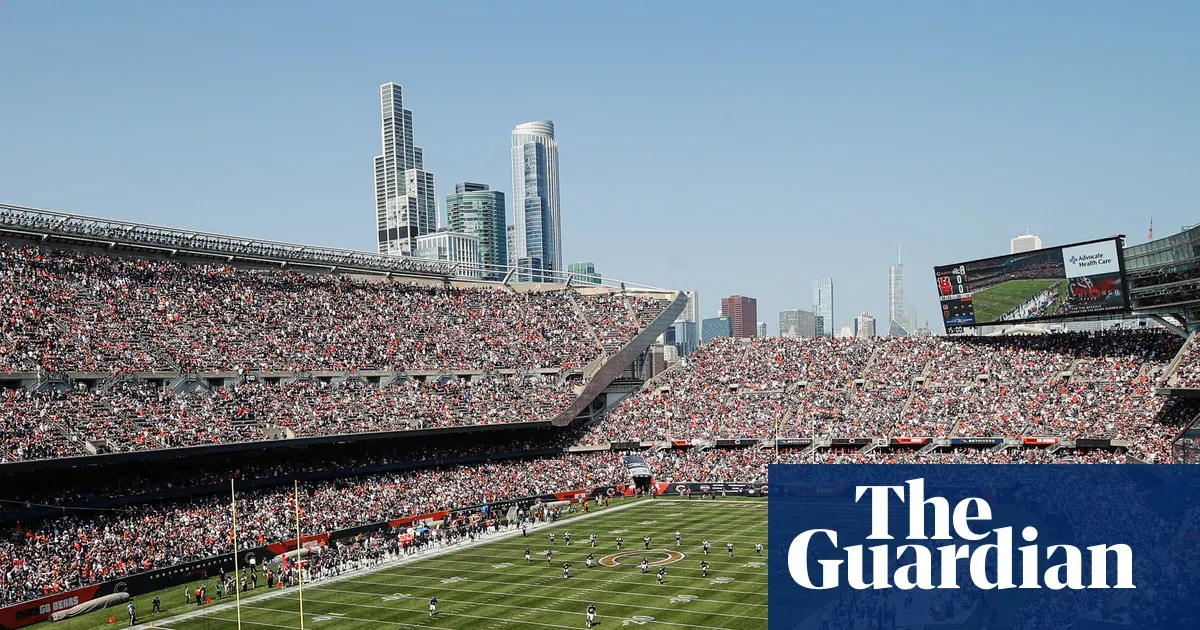
The Chicago Bears' decades-long stadium saga took its most dramatic turn yet on February 19, 2026, when Indiana lawmakers unanimously approved legislation that could lure the storied NFL franchise across state lines to Hammond, Indiana. In a 24-0 vote, the Indiana House Ways and Means Committee passed Senate Bill 27, creating the Northwest Indiana Stadium Authority with the power to issue bonds, acquire land, and finance construction for a potential $2 billion domed stadium near Wolf Lake.
The Bears immediately released a statement praising the legislation, confirming they've "identified a promising site near Wolf Lake in Hammond and established a broad framework for negotiating a final deal." The move represents a serious escalation in the team's search for a new home and places Illinois officials, including Governor JB Pritzker, in the uncomfortable position of potentially losing one of the state's most iconic sports franchises.
How the Indiana Stadium Bill Changes Everything for the Bears
The amended Senate Bill 27 represents more than just procedural progress—it creates an entire governmental framework specifically designed to bring the Bears to Indiana. The newly established Northwest Indiana Stadium Authority would function similarly to the Illinois Sports Facilities Authority that helped finance renovations to Soldier Field in the early 2000s, but with significantly broader powers and financing capabilities.
According to legislative documents obtained from multiple sources, the authority would have the ability to issue bonds for stadium construction, acquire land through eminent domain if necessary, and establish tax increment financing districts to support infrastructure improvements around the proposed stadium site. Indiana House Speaker Todd Huston confirmed the Bears have committed approximately $2 billion to the project, with additional funding coming from the stadium authority's bonding capacity and potential new food, beverage, and innkeepers taxes in northwest Indiana counties.
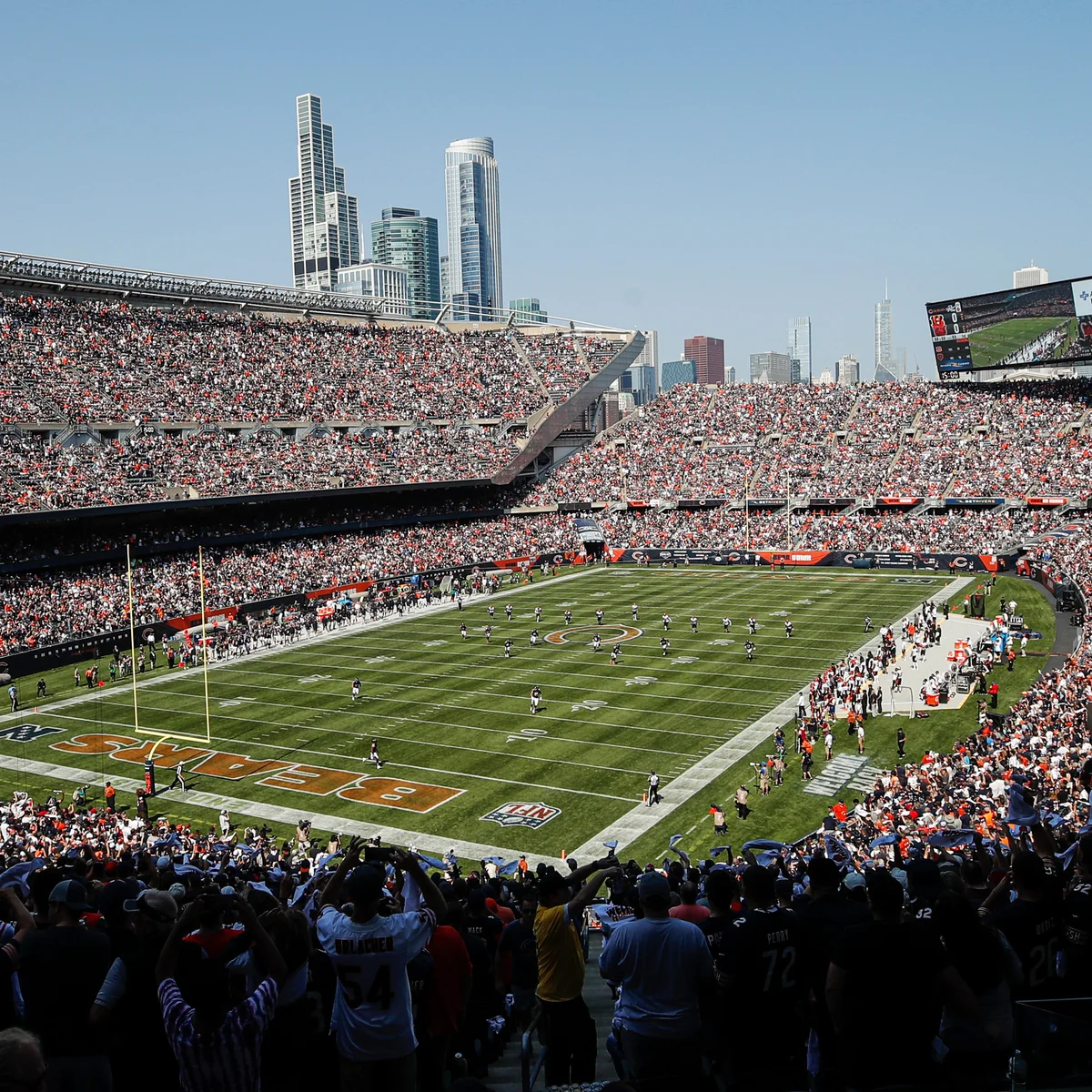
"This legislation sets the solid framework to get a stadium built," Hammond Mayor Thomas McDermott Jr. told reporters. "Hammond is ready and situated well to become the Bears' new home, and I can't wait to work with the team and the authority to make this vision a reality." The proposed site at Wolf Lake Memorial Park in the 2300 block of Calumet Avenue offers approximately 200 acres of developable land just 30 miles northwest of Soldier Field, keeping the team within the Chicago media market while potentially offering better financing terms and development opportunities.
Timeline: How the Bears' Stadium Search Reached This Critical Juncture
The Bears' journey toward a potential Indiana home represents the culmination of nearly a decade of stadium exploration. The team's current home, Soldier Field, underwent a controversial $690 million renovation in 2003 that left it with the smallest capacity in the NFL at 61,500 seats and architectural features that have drawn criticism from fans and analysts alike.
The search for alternatives began in earnest in 2021 when the Bears signed a purchase agreement for the 326-acre Arlington International Racecourse property in Arlington Heights, Illinois. For three years, the team pursued what seemed like their inevitable destination, spending millions on due diligence and planning for a massive mixed-use development centered around a domed stadium. However, negotiations with local officials over property tax valuations and infrastructure funding stalled progress, leading the team to explore other options.
In 2025, the Bears turned their attention back to Chicago's lakefront, proposing a publicly-owned domed stadium just south of Soldier Field with a price tag exceeding $3 billion. That plan required significant public funding and faced immediate skepticism from Governor Pritzker and legislative leaders who questioned the use of taxpayer dollars for a private sports franchise. With the lakefront plan languishing and the Arlington Heights deal effectively dead, Indiana officials saw an opening and began aggressive overtures to the team in late 2025.
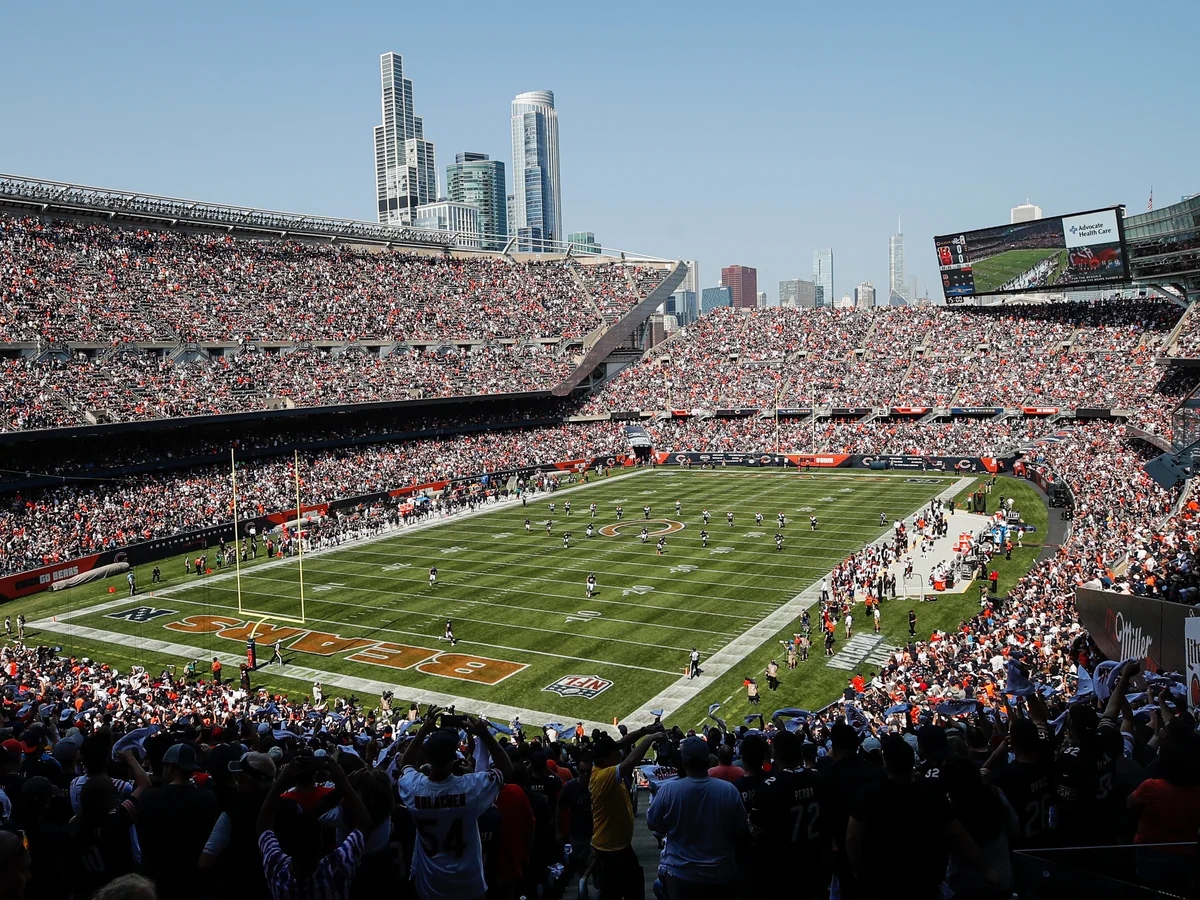
The rapid movement of Senate Bill 27 through the Indiana legislature—passing committee with unanimous bipartisan support just weeks after being introduced—demonstrates the seriousness of Indiana's bid. "This is a once-in-a-generation opportunity for northwest Indiana," said State Senator Rodney Pol Jr., whose district includes the proposed stadium site. "We're not just talking about eight football games a year; we're talking about year-round economic development, concerts, conventions, and putting northwest Indiana on the national map."
Why This Potential Move Matters Beyond Football
The financial implications of a Bears move to Indiana extend far beyond the team's balance sheet. Economic impact studies commissioned by Indiana lawmakers project the stadium development could generate over $10 billion in economic activity for the region over 30 years, creating thousands of construction jobs followed by permanent hospitality, retail, and service positions. The Wolf Lake area, which straddles the Illinois-Indiana border, has long been underutilized despite its proximity to Chicago, and a stadium anchor could catalyze broader redevelopment.
For the Bears organization, the Indiana proposal offers several advantages over their Illinois options. The team would maintain control over stadium revenue streams including naming rights, premium seating, concessions, and parking—a key point of contention in their negotiations with Chicago officials. The dome would allow for year-round use, hosting concerts, conventions, and potentially even Final Fours and Super Bowls, generating additional revenue beyond the NFL season.
"From a business perspective, this makes tremendous sense for the Bears," said sports business analyst Margaret Jackson. "They get a modern facility with all the revenue-generating amenities, they stay in the Chicago media market, and they potentially get a more favorable tax and regulatory environment. The only thing they sacrifice is the Chicago address, but in today's sports landscape, that matters less than it did a generation ago."
The political reaction from Illinois has been swift and pointed. Governor JB Pritzker told reporters he was "very disappointed" in the Bears' statement, adding that "this is not some confirmation that they're moving to Indiana, but it's certainly a signal that they're considering it." Illinois House Speaker Emanuel "Chris" Welch canceled a scheduled meeting of the House Executive Committee that was to discuss potential counter-proposals, suggesting frustration with the team's negotiating tactics.
Where Things Stand Now: The Battle for the Bears
As of February 20, 2026, Senate Bill 27 moves to the full Indiana House for consideration, where it's expected to pass with strong bipartisan support given its unanimous committee vote. The legislation would then return to the Senate for concurrence on amendments before going to Governor Eric Holcomb for his signature. Indiana officials have indicated they could have the stadium authority operational within 90 days of passage.
The Bears, meanwhile, continue what they term "site-specific necessary due diligence" on the Wolf Lake property. Team officials have not released renderings or specific design plans, indicating they're still in the preliminary stages of evaluation. However, the team's statement made clear that the Indiana option has moved to the forefront of their considerations, stating they've "established a broad framework for negotiating a final deal" with Indiana officials.
In Illinois, pressure is mounting on political leaders to respond. Chicago Mayor Brandon Johnson has remained relatively quiet on the latest developments, while suburban leaders whose communities would be impacted by a move have begun organizing opposition. A coalition of Illinois business leaders has reportedly begun working on a counter-proposal, but with legislative sessions scheduled to end in May, time is running short for a comprehensive response.
What Happens Next: The Road Ahead for the Bears' Stadium Plans
The coming months will determine whether the Chicago Bears become the first NFL team to cross state lines without changing their name or whether Illinois can mount a successful defense of one of its most valuable sports assets. Several key milestones will shape the outcome:
First, the full Indiana House vote on Senate Bill 27, expected within the next two weeks, will provide the clearest indication of legislative support. Second, the Bears must complete their due diligence on the Hammond site and negotiate specific terms with the stadium authority. Third, and perhaps most importantly, Illinois officials must decide whether and how to counter Indiana's offer with a proposal that meets the team's financial and operational requirements.
Sports economists note that stadium relocations often follow a predictable pattern: one jurisdiction makes an aggressive offer, forcing the incumbent jurisdiction to match or exceed it. The difference in this case is that the Bears aren't threatening to move to another market entirely—they're considering moving just 30 miles away, maintaining their fan base and media presence while potentially improving their financial situation.
"This isn't like the Raiders moving from Oakland to Las Vegas or the Chargers moving from San Diego to Los Angeles," explained stadium finance expert David Carter. "This is a team potentially moving within the same metropolitan area but to a different state jurisdiction. It creates unique political and economic dynamics that we haven't really seen in modern NFL history."
The Bottom Line: Key Points to Remember
The Chicago Bears' potential move to Hammond, Indiana represents the most significant development in the team's long-running stadium saga. Indiana lawmakers have created a clear path forward with Senate Bill 27 and the Northwest Indiana Stadium Authority, while the Bears have committed $2 billion and identified a specific site near Wolf Lake. Illinois officials, led by a disappointed Governor Pritzker, now face pressure to respond with a competitive offer or risk losing the team to a neighboring state. With the NFL watching closely, the coming months will determine whether the Chicago Bears remain in Chicago or become a team that plays in Indiana while keeping their iconic name and identity.