The 2025 NCAA Men's Basketball Tournament bracket is finally here, and the March Madness predictions are pouring in from analysts, bracketologists, and college basketball experts across the country. With Duke emerging as the consensus national championship favorite behind freshman phenom Cooper Flagg, and Auburn holding onto the No. 1 overall seed despite recent stumbles, this year's tournament promises unexpected upsets, Cinderella stories, and bracket-busting results that will captivate millions of fans. As selection committees finalize seeds and bubble teams sweat out their fates, the stage is set for what could be one of the most unpredictable tournaments in recent memory.
How the 2025 Bracket Is Shaping Up: Top Seeds and Contenders
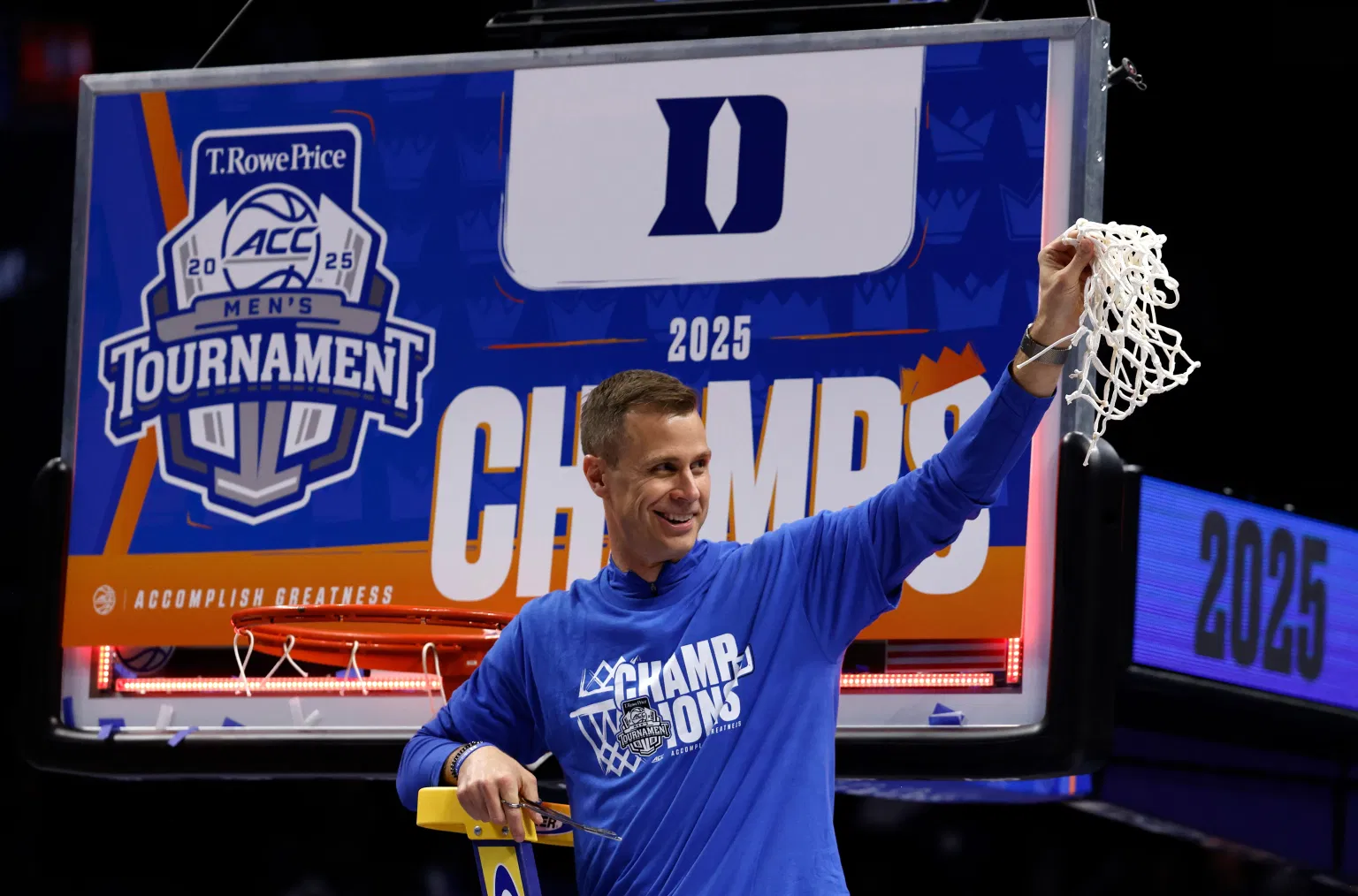
Duke has solidified its position as the team to beat in the 2025 NCAA tournament, with the Blue Devils' 32-2 regular season campaign and dominant ACC performance earning them the No. 1 overall seed in most expert projections. Freshman sensation Cooper Flagg has lived up to every ounce of hype, establishing himself as the likely No. 1 overall NBA draft pick while leading Duke's championship charge. "Duke looks like a national championship favorite behind Cooper Flagg, the super freshman who has lived up to every ounce of hype on his way to becoming the No. 1 overall NBA draft pick," according to SB Nation's bracket analysis.
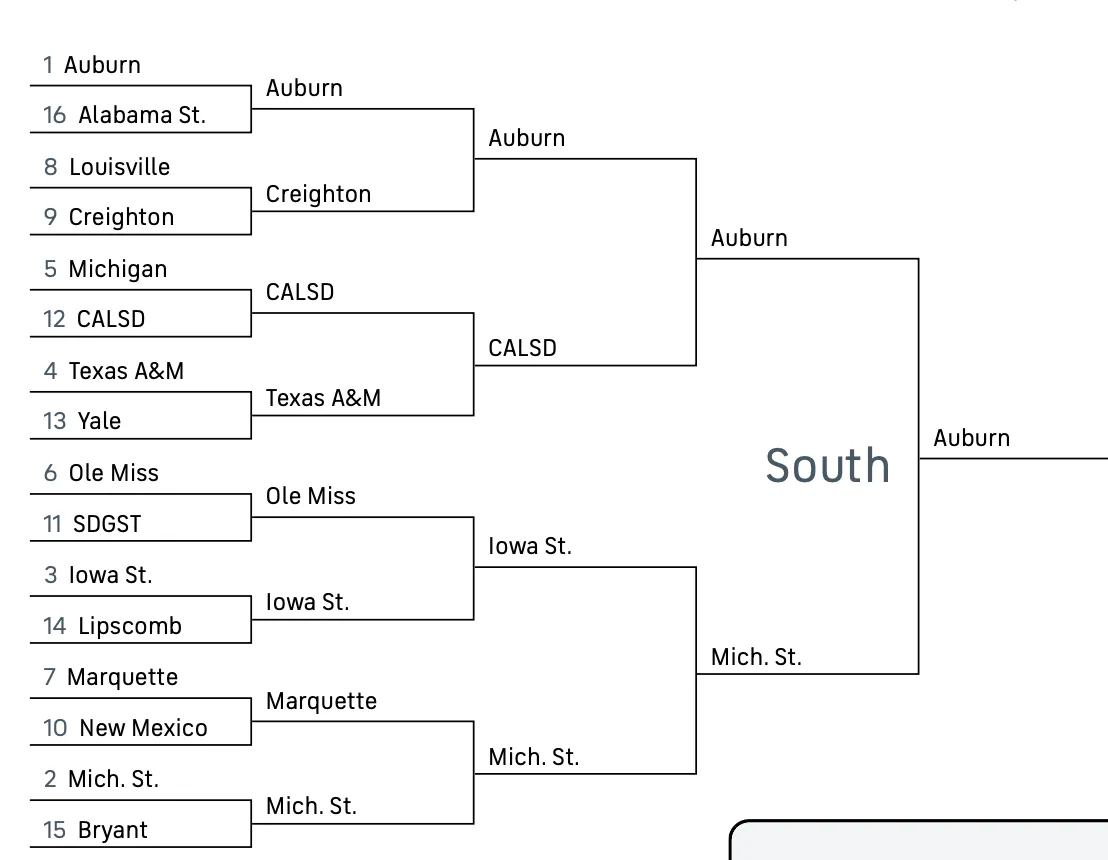
Auburn finds itself in a curious position as the tournament approaches. The Tigers secured the No. 1 overall seed in the field despite losing three of their last four games, creating questions about their vulnerability heading into March Madness. "The Tigers were looking like an all-time great team, but are suddenly showing some signs of vulnerability," notes the analysis, suggesting that their round of 32 matchup against either Louisville or Creighton could present early challenges.
Florida has emerged as a dark horse contender, riding a second-half surge behind guard Walton Clayton Jr. and deep supporting talent. Meanwhile, the Big Ten presents a complex picture without a clear national title favorite, though Michigan State, Maryland, Wisconsin, Michigan, and Purdue each believe they have the stars and systems to make a Final Four run. The changing landscape of college basketball, with NIL deals and the transfer portal reshaping team compositions, has created a tournament field where traditional power dynamics have been upended and new contenders have risen to prominence.
Timeline: Key Dates and Developments Leading to the 2025 Tournament
The road to the 2025 NCAA tournament has been marked by several crucial developments that have shaped the current bracket projections. Selection Sunday on March 16 set the field of 68 teams, but the seeding decisions reflected a season full of surprises and shifting fortunes. Alabama's slide from potential No. 1 seed to No. 4 overall represents one of the most significant changes, with consecutive losses to Auburn and Missouri damaging their tournament resume during the critical final weeks of the season.
February's bracketology updates showed the SEC positioning for a historic bid total, but that ambition has been threatened by struggling bubble teams. Vanderbilt's 2-8 record in its last 10 games and Oklahoma's 3-10 collapse since a 13-0 start have created uncertainty about the conference's ability to secure an unprecedented number of tournament bids. As noted in Blogging the Bracket's analysis, "The danger to the SEC's goal of reaching an historic bid total is not limited to the Hogs. Vanderbilt, 2-8 in its last 10 games, is in danger of sliding out, while Oklahoma is 3-10 since its 13-0 start."
The final regular season games produced dramatic seed movements, with teams like Houston, Iowa State, and Wisconsin making late pushes to potentially usurp SEC teams on the top seed lines. Meanwhile, mid-major conferences positioned themselves for potential multiple bids, with the Missouri Valley Conference hoping for Drake as an at-large team, the Big West eyeing two bids including UCSD, and the West Coast Conference aiming for three bids alongside traditional powers Saint Mary's and Gonzaga.
Expert Analysis: Upset Predictions and Cinderella Stories
This year's tournament features several compelling upset possibilities that could wreak havoc on brackets nationwide. UC San Diego has emerged as a popular Cinderella pick, with analysts projecting the Tritons to defeat Big Ten tournament champion Michigan in what would be a classic 12-5 upset. "UC San Diego is my first upset pick. I'll take the Tritons over the Big Ten tournament champion Michigan Wolverines," declares SB Nation's bracket prediction, highlighting the potential for mid-major success against power conference opponents.
Yale presents another intriguing upset possibility, with the Ivy League champions expected to give Texas A&M everything they can handle in a closely contested first-round matchup. While the prediction favors Texas A&M to advance, the closeness of the projected contest suggests that Yale could join the growing list of Ivy League teams making noise in recent tournaments. If UC San Diego does pull off the upset against Michigan, they're projected to face Texas A&M in the second round, with the potential to advance as a true Cinderella story to the Sweet 16.
The bubble picture reveals just how weak this year's at-large field is compared to previous tournaments. The last four teams in—Wake Forest, Vanderbilt, Oklahoma, and VCU—combine for a dismal 9-23 record against Quad 1 opposition, with only 4 of those wins belonging to Oklahoma. Even more troubling are the records of the first four out (Boise State, Arkansas, Georgia, UNC) at 8-34 in Quad 1 games, and the next four out (Pitt, Xavier, SMU, Villanova) at an abysmal 3-27 against Quad 1 competition. "Things look even worse when examining the next four out," the analysis notes, "who are 3-27 against Quad 1 (The Mustangs have no such wins, the others have one apiece.) and 20-34 against Quads 1 and 2."
This weak bubble has created unusual scenarios where teams with mediocre records against quality competition still find themselves in the tournament field, while others with similarly flawed profiles languish just outside. The situation has led bracketologists to root for mid-major success, hoping that conferences like the MVC, Big West, and WCC can secure multiple bids to add competitive balance to the tournament field.
Current Status: Where March Madness Predictions Stand Today
As the tournament approaches, consensus has formed around several key projections while other areas remain hotly debated. Duke's position as the favorite is nearly unanimous among experts, with the Blue Devils' combination of elite talent, coaching, and tournament experience making them the safest pick to cut down the nets in San Antonio. Auburn's recent struggles have created doubt about their ability to justify their No. 1 overall seed, with many analysts questioning whether they can regain their dominant form from earlier in the season.
The SEC's bid total remains a major storyline, with the conference positioned to make history but potentially undermined by its own bubble teams' weaknesses. Alabama's seed drop has opened opportunities for other conferences to claim top-line spots, setting up potential conflicts between traditional power conferences and rising basketball leagues. The ACC's strength, led by Duke, contrasts with the Big Ten's depth without a clear alpha team, creating fascinating regional dynamics that will play out during the tournament's early rounds.
Upset alerts are particularly concentrated in the 5-12 and 6-11 matchups, with UC San Diego over Michigan being the most frequently predicted bracket-buster. Other potential upsets include Saint Louis over Georgia, Akron over Texas Tech, and Hofstra over Alabama, though each of these predictions varies by analyst and model. The prevalence of these upset predictions reflects both the parity in college basketball this season and the specific vulnerabilities of certain higher-seeded teams facing challenging stylistic matchups.
What Happens Next: The Road to the Final Four
The tournament's opening rounds will immediately test the accuracy of these predictions, with several key matchups likely determining whether chalk prevails or chaos reigns. Duke's path through the East Region appears manageable but features potential pitfalls against teams like Michigan State or Maryland in the Sweet 16. Auburn's journey is complicated by their recent form and challenging second-round matchup, making their early tournament performance one of the most closely watched storylines.
Regional dynamics will play a crucial role in determining which teams advance to the Final Four. The South Region, anchored by Auburn, could see unexpected winners if the Tigers stumble early. The West Region, potentially featuring Florida as a top seed, presents opportunities for teams like Houston or Arizona to make deep runs. The Midwest and East Regions feature traditional powers alongside rising programs, creating potentially classic tournament matchups in the later rounds.
As the games unfold, several key questions will be answered: Can Cooper Flagg live up to the immense pressure as college basketball's most heralded freshman? Will Auburn's regular season excellence translate to tournament success despite recent struggles? Which mid-major programs will emerge as this year's Cinderella stories? And how will the SEC's ambitious bid total hold up against the reality of tournament competition? The answers will determine not only this year's champion but also the evolving narrative of college basketball in the NIL and transfer portal era.
The Bottom Line: Key March Madness Takeaways
• Duke stands as the clear tournament favorite behind freshman sensation Cooper Flagg, with the Blue Devils positioned for a deep championship run
• Auburn's No. 1 overall seed comes with questions after late-season struggles, making their early tournament performance crucial
• Significant upset potential exists, particularly with UC San Diego over Michigan and other 12-5 matchups
• The SEC's historic bid ambitions face challenges from weak bubble teams within the conference
• Alabama's seed drop highlights how late-season results can dramatically alter tournament positioning
• This year's weak bubble has created unusual at-large scenarios with teams sporting poor records against quality competition
• Mid-major conferences have opportunities for multiple bids, potentially adding competitive balance to the tournament field
As fans finalize their brackets and prepare for the madness to begin, the 2025 NCAA tournament promises the usual combination of buzzer-beaters, Cinderella stories, and unforgettable moments that define March. With expert predictions analyzed, upset alerts identified, and contender profiles established, the only certainty is that the actual games will deliver surprises that no bracket could have predicted.