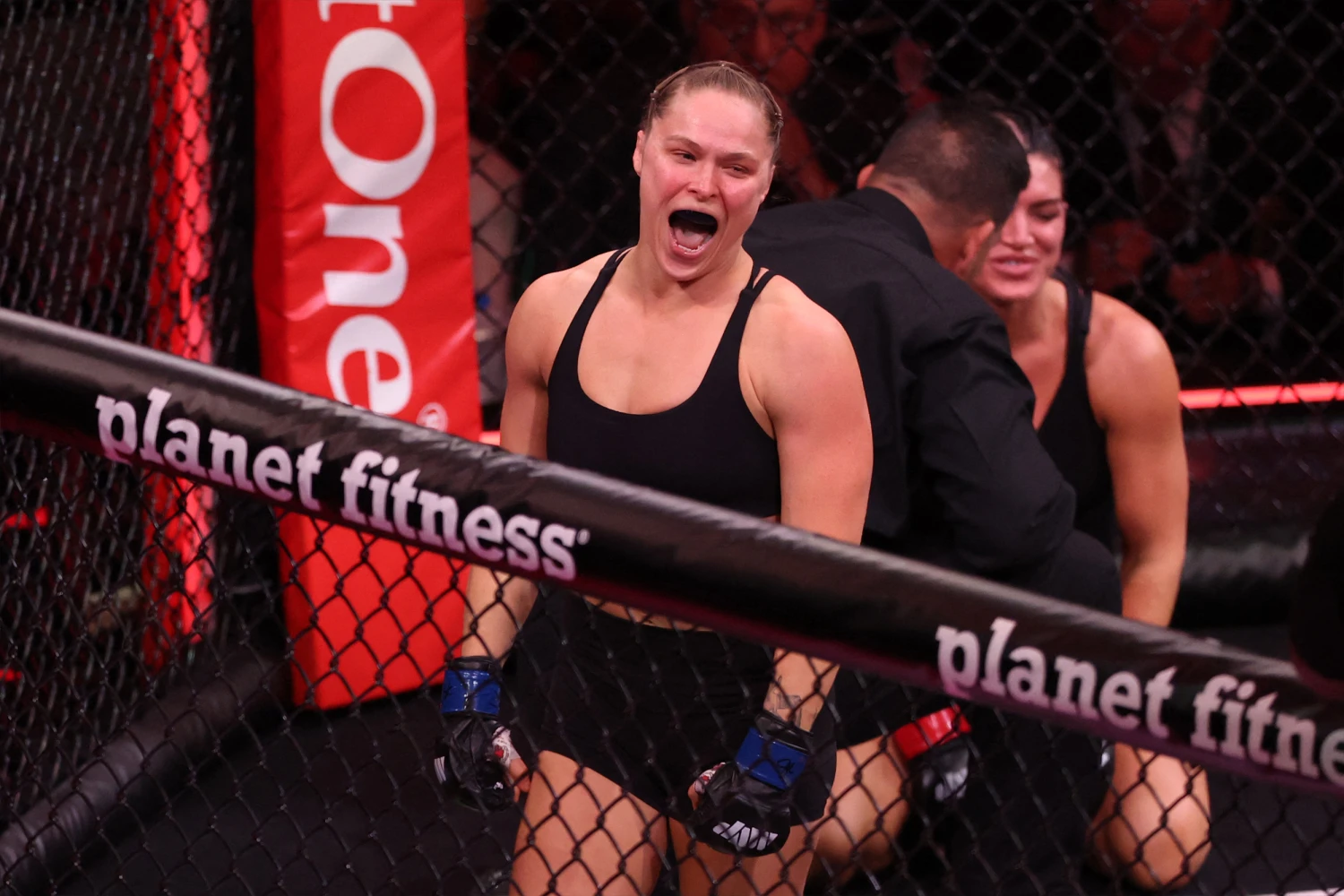
Ronda Rousey made history once again on Saturday night, returning to mixed martial arts after a 9.5-year hiatus and submitting Gina Carano with her signature armbar in just 17 seconds at the first-ever live MMA event on Netflix. The former UFC bantamweight champion (13-2) wasted no time inside the Intuit Dome in Inglewood, California, charging across the cage the instant the opening bell rang, securing a takedown, and locking in the fight-ending submission before Carano could land a single strike.
The 39-year-old Rousey, who once carried the UFC into the mainstream and changed women's MMA forever, ended a decade away from the sport with a performance that felt like stepping into a time machine. For Carano (7-2), who hadn't fought in 17 years, the bout marked both a comeback and a personal victory after years of health struggles and career upheaval.
How the Fight Unfolded: A 17-Second Masterclass
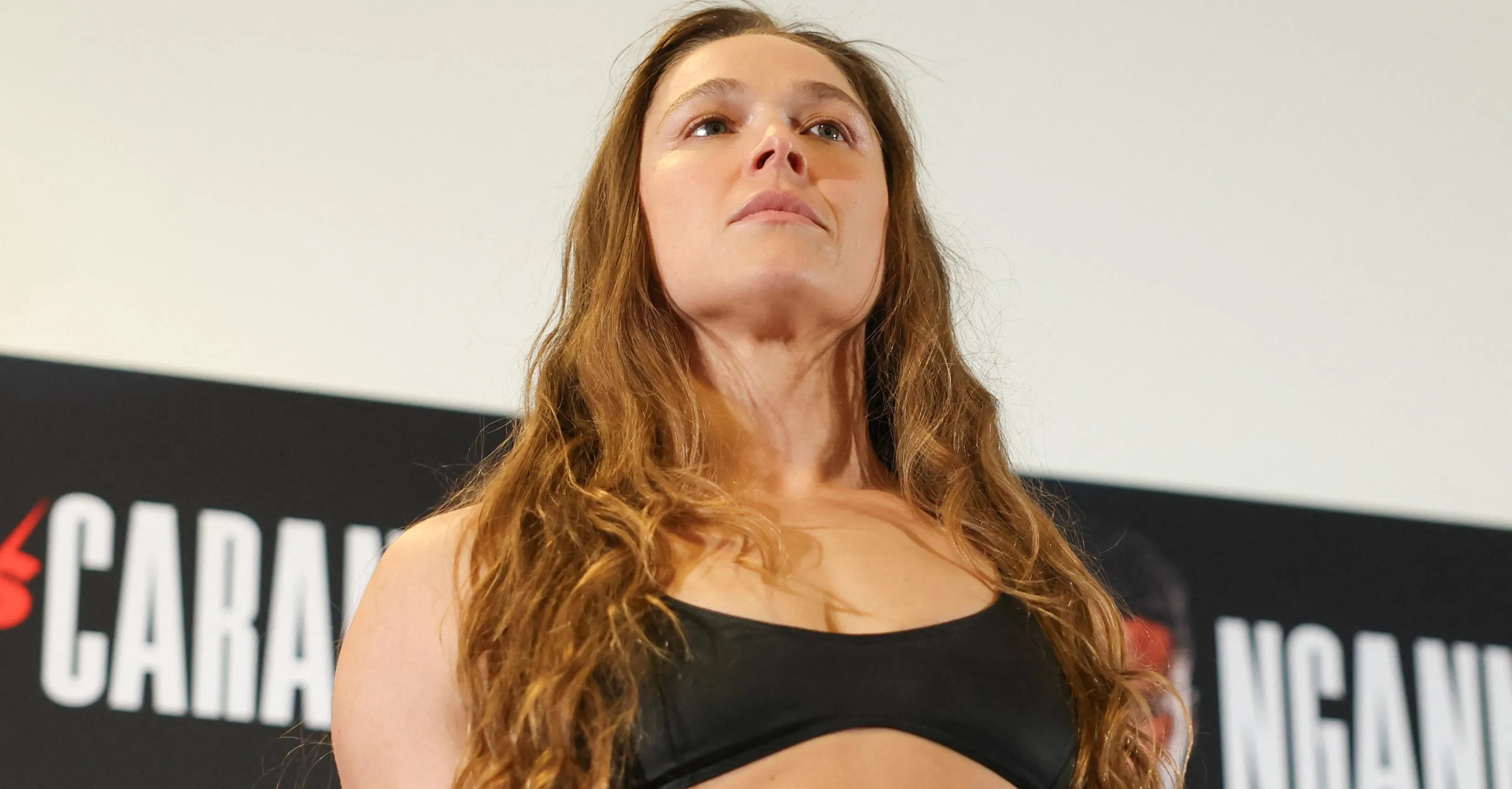
From the moment referee Herb Dean signaled for the fight to begin, Rousey exploded forward with classic aggression. She scored a takedown within three seconds, immediately landed in mount position, and before Carano could even attempt to defend, Rousey was falling backward with Carano's arm fully extended and trapped. The tap came almost instantly, and the fight was waved off at the 17-second mark of the very first round.
It was vintage Rousey — the same blistering speed and technical mastery that made her the most dominant force in women's MMA during the 2010s, when she won eight fights in under a minute during her meteoric rise. Rousey famously became the first women's champion in UFC history, winning the bantamweight title in 2012 and defending it six times before suffering back-to-back knockout losses to Holly Holm and Amanda Nunes in 2015 and 2016.
"I feel great," Carano said after the loss, showing nothing but respect for her opponent. "I wanted to fight, and I didn't get that. But she trained. She had her gameplan. I have so much love and respect for her, and this was a victory in my life."
Timeline: The Road to Rousey vs. Carano
The improbable double-comeback bout united two of the most important fighters from MMA's past two decades, and the journey to fight night was as remarkable as the result itself.
The Early Years: Carano became the face of women's MMA in the late 2000s, headlining the first-ever women's fight on CBS in 2009. Her athleticism and star power made her a television headliner when the sport was still fighting for legitimacy. Rousey has said she first became interested in MMA because of Carano.
2015-2016: After suffering her first loss to Holly Holm in 2015 and a devastating defeat to Amanda Nunes in 2016, Rousey retreated from the sport, closing herself off from the MMA world entirely. "Now I get it," Rousey told Yahoo Sports ahead of the fight, reflecting on why fans turned on her after her losses.
2021: Carano's thriving acting career — which included a starring role on Disney+'s "The Mandalorian" — abruptly ended following a series of controversial social media posts.
2024-2025: After having two children and settling into farm life in Riverside, California, Rousey began seriously considering an MMA return. She immediately focused on fighting Carano, whose health had deteriorated. Carano said she lost 100 pounds to get ready for the fight after being diagnosed as pre-diabetic.
May 16, 2026: The two pioneers finally met in the octagon at Intuit Dome, headlining Jake Paul's Most Valuable Promotions (MVP) card — the first live MMA event streamed on Netflix.
Why This Fight Matters: The Bigger Picture
The Rousey-Carano bout transcended sport, representing a convergence of multiple storylines that have shaped combat sports culture over the past two decades. For Rousey, it was a chance at closure after a decade of wondering what might have been. For Carano, it was literally life-saving motivation.
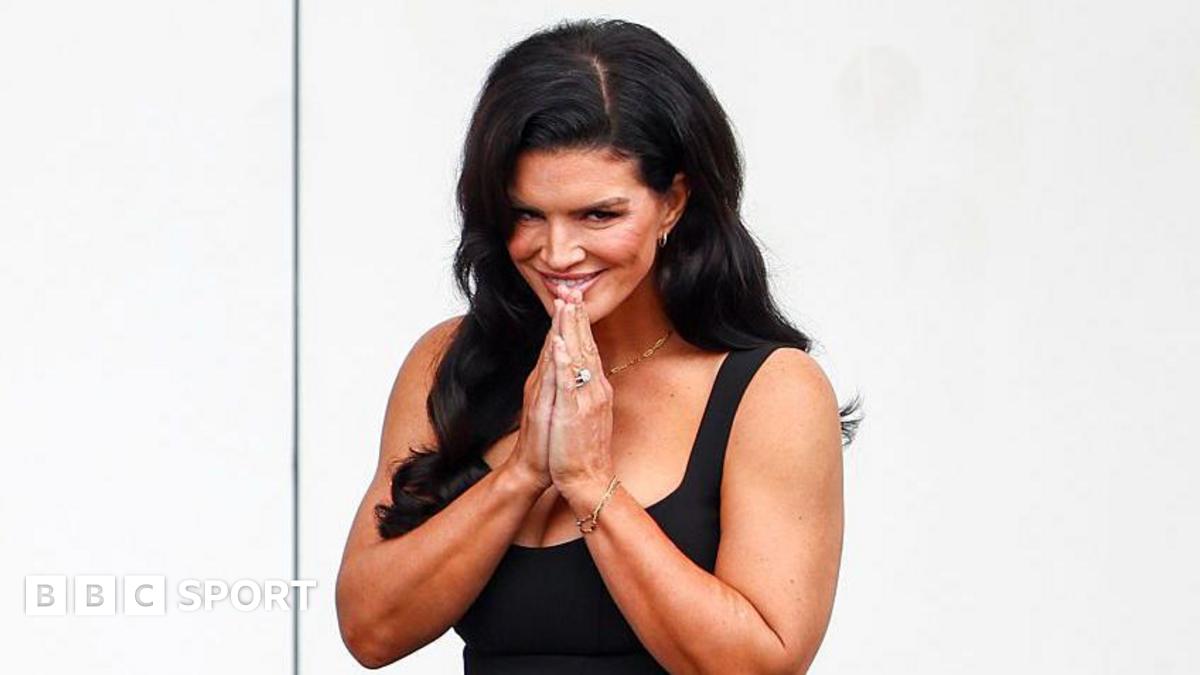
"Gina Carano says Saturday's featherweight fight against Ronda Rousey has 'saved my life' after going through some of the most difficult years of her career prior," BBC Sport reported. Carano opened up about falling into a dark place before Rousey personally pitched the idea of the fight to the UFC in 2024, believing it would be beneficial for Carano's wellbeing.
The event also marked Netflix's aggressive push into combat sports. The streaming giant, which already broadcasts WWE's "Raw" and has hosted Jake Paul boxing events, transformed Intuit Dome into a full-blown spectacle packed with celebrities, influencers, former fighters, and longtime MMA fans.
Rousey's reported payout of $2.2 million for 17 seconds of work — equating to roughly $129,000 per second — underscored the massive commercial appeal that still surrounds the former champion, even a decade after her peak.
The full card also featured Francis Ngannou's brutal first-round knockout of Philipe Lins — with Ngannou circling the cage afterward and screaming toward Jon Jones at cageside — a chaotic, bloody Nate Diaz vs. Mike Perry war, and Cuban heavyweight Robelis Despaigne flattening former UFC champion Junior dos Santos. Jake Paul, the event promoter, was met with boos from the crowd throughout the night.
Where Things Stand Now: A Legendary Goodbye
Ronda Rousey has been unequivocal: this was her final fight. Speaking to the crowd after the victory, the former champion made clear that her return was a one-time event, shutting down any speculation about a permanent comeback. For a fighter who once defined an era and then disappeared from the sport on bitter terms, Saturday night offered a rare moment of closure.
"Rousey has repeatedly said this will be her final fight, while Carano has said she doesn't know what the future holds," NBC News reported from ringside.
The atmosphere inside Intuit Dome when Rousey's walkout music — Joan Jett's "Bad Reputation" — played over the speakers was electric. For one final moment, Ronda Rousey looked exactly like the unstoppable force who once carried the UFC into the mainstream and changed women's MMA forever.
What Happens Next: The Legacy of Two Pioneers
If Saturday night was indeed Rousey's farewell, she exits the sport on her own terms — something few fighters achieve. For Carano, the future remains uncertain. She has not ruled out another fight but also acknowledged the physical and emotional toll of preparing for this comeback.
The ripple effects of this event will be felt across combat sports. Netflix has signaled its intention to invest further in live MMA, potentially reshaping the broadcast landscape. The successful return of Rousey also opens the door for other nostalgia-driven matchups in a sport increasingly embracing its history.
For the fans who filled Intuit Dome — and the millions watching on Netflix around the world — the night was a reminder of why Ronda Rousey became "The Baddest Woman on the Planet" in the first place. Seventeen seconds. One armbar. One final, perfect ending.
The Bottom Line: Key Takeaways
- Ronda Rousey defeated Gina Carano by armbar submission at 0:17 of Round 1 at MVP MMA 1 on Netflix
- The fight was Rousey's first MMA bout in 9.5 years and Carano's first in 17 years
- Rousey (13-2) confirmed this was her final fight, ending her career on a win
- Carano (7-2) said training for and competing in the fight "saved my life"
- The event was the first live MMA card streamed on Netflix, held at Intuit Dome in Inglewood, California
- Rousey reportedly earned $2.2 million for the 17-second performance