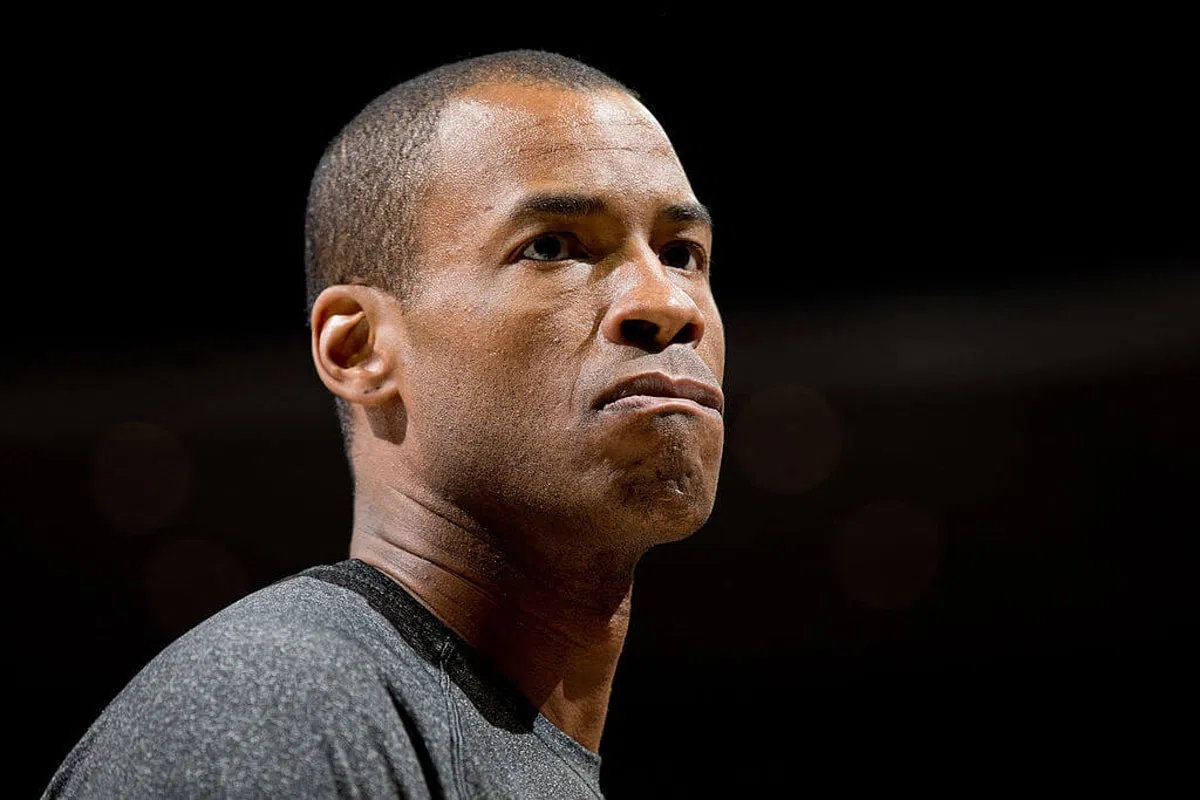
Jason Collins, the 13-year NBA veteran who made history as the first openly gay active player in any of America's four major professional sports leagues, has died at the age of 47 after an eight-month battle with Stage 4 glioblastoma. His family confirmed the news on May 12, 2026, sharing that Collins passed away after what they called a "valiant fight" against the aggressive brain cancer.
"We are heartbroken to share that Jason Collins, our beloved husband, son, brother and uncle, has died after a valiant fight with glioblastoma," his twin brother Jarron Collins and sister-in-law Elsa Marie Collins wrote on Instagram on behalf of the family. "Jason changed lives in unexpected ways and was an inspiration to all who knew him and to those who admired him from afar."
The announcement brought an outpouring of grief and remembrance from across the sports world, honoring a man whose courage on and off the court left an indelible mark on basketball and society at large.
How Glioblastoma Claimed Jason Collins: A Rapid and Relentless Battle
Collins' health struggles first became public in September 2025, when his family revealed he was undergoing treatment for a brain tumor. By December, Collins himself shared the full picture in a powerful first-person essay for ESPN, written as told to senior writer Ramona Shelburne.
"I have Stage 4 glioblastoma, one of the deadliest forms of brain cancer. It came on incredibly fast," Collins wrote at the time. He explained that the symptoms had struck with terrifying speed. In August 2025, just days after marrying Brunson Green in Austin, Texas, Collins began experiencing what he described as "weird symptoms" while packing for a trip to the U.S. Open. Within hours, his mental clarity, short-term memory, and comprehension disappeared.
Glioblastoma is an aggressive form of cancer that begins in the brain or spinal cord and has no known cure, according to the Mayo Clinic. Collins described his tumor as "a monster with tentacles spreading across the underside of my brain the width of a baseball." He noted that the cancer was particularly difficult to treat because it was "surrounded by the brain and encroaching upon the frontal lobe — which is what makes you, 'you.'"
Collins underwent radiation treatments, chemotherapy, and immunotherapy. He and his husband even traveled to Singapore for an experimental treatment that delivered chemotherapy drugs directly to the glioblastoma. "It was an easy decision to get more experimental just like I knew I was doing the right decision when I came out publicly," he said. "And if not for me, for someone else."
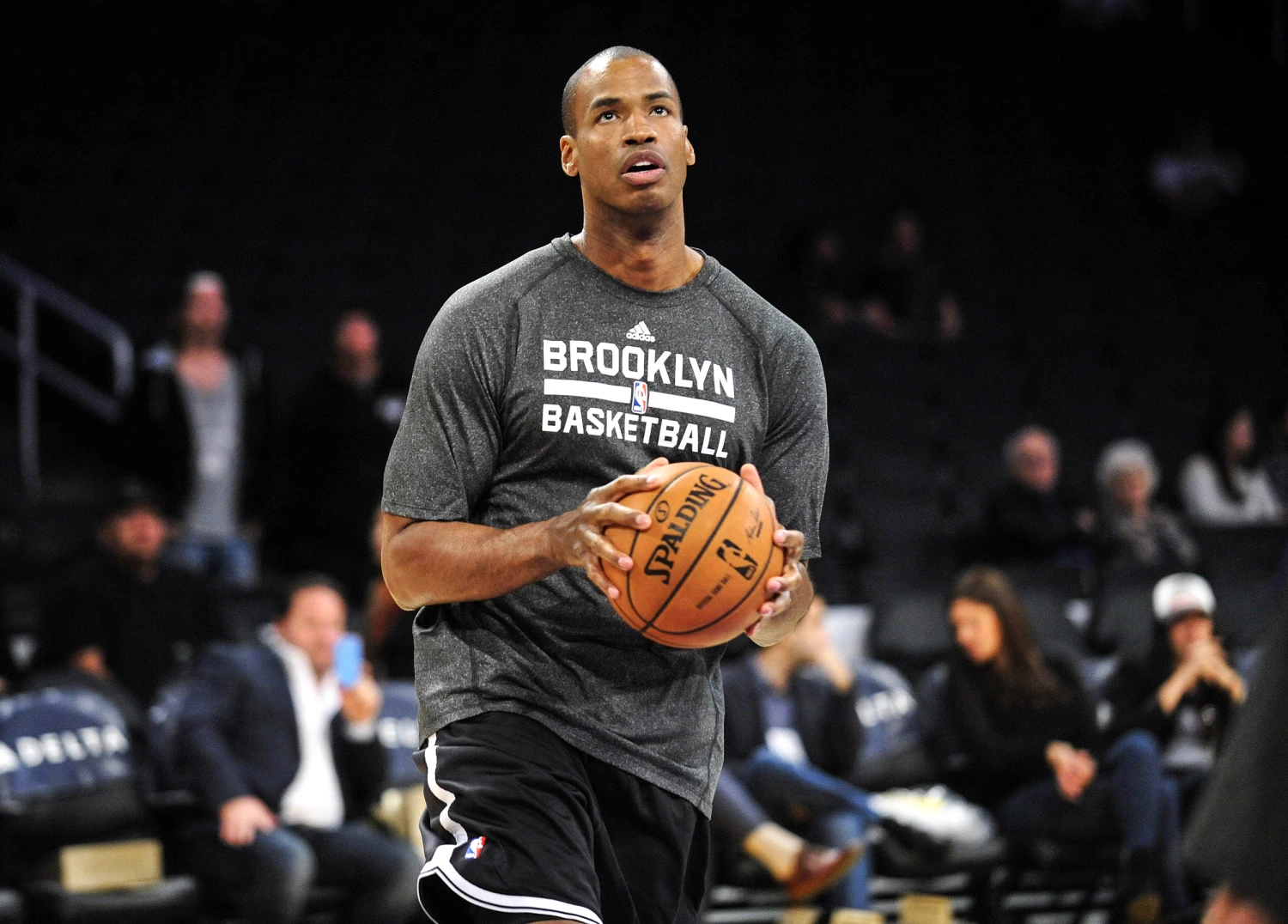
Timeline: From NBA Career to Historic Coming Out to Final Fight
2001-2008: Jason Collins plays for the New Jersey Nets, helping lead the team to back-to-back Eastern Conference championships in 2002 and 2003, earning NBA Finals appearances both years.
2008-2012: Collins plays for the Memphis Grizzlies, Minnesota Timberwolves, Atlanta Hawks, and Boston Celtics, establishing himself as a reliable defensive presence and respected locker room leader.
April 29, 2013: In a landmark moment for professional sports, Collins comes out as gay in a Sports Illustrated cover story. "I'm a 34-year-old NBA center. I'm black. And I'm gay," he wrote. Then-President Barack Obama called to express his support. Two-time NBA MVP Steve Nash posted his "maximum respect."
February 23, 2014: Collins signs a 10-day contract with the Brooklyn Nets and takes the court, becoming the first openly gay active player in NBA history. He finishes the season with the Nets and retires after 13 seasons.
August 2025: Collins marries Brunson Green in Austin, Texas. Shortly after, he begins experiencing debilitating neurological symptoms.
September 11, 2025: His family announces he is undergoing treatment for a brain tumor.
December 11, 2025: Collins reveals his Stage 4 glioblastoma diagnosis in a first-person ESPN article, describing his fight and decision to pursue experimental treatments.
May 12, 2026: Jason Collins dies at age 47, surrounded by family. His family releases a statement thanking fans for "the outpouring of love and prayers over the past eight months."
Why Jason Collins Mattered: A Legacy That Transcended Basketball
Collins' impact on sports and culture cannot be overstated. When he came out in 2013, no active male athlete in any of America's four major professional sports leagues had ever done so. His announcement, made in the pages of Sports Illustrated with characteristic thoughtfulness and composure, shattered a longstanding barrier and paved the way for countless athletes to live authentically.
NBA Commissioner Adam Silver released a statement calling Collins' influence "far beyond basketball." Silver said Collins "helped make the NBA, WNBA and larger sports community more inclusive and welcoming for future generations. He exemplified outstanding leadership and professionalism throughout his 13-year NBA career and in his dedicated work as an NBA Cares Ambassador."
Jason Kidd, who played alongside Collins on the Nets and now coaches the Dallas Mavericks, said simply: "This one hurts. Jason Collins was a pioneer. He had courage like you've never seen."
The Brooklyn Nets organization issued a lengthy tribute, noting that Collins spent eight seasons with the franchise "helping define an era of our franchise and playing a vital role on our back-to-back Eastern Conference championship teams." The statement continued: "Those who were around Jason every day knew him not just as a competitor, but as a genuinely kind, thoughtful person who brought people together."
Kelley Robinson, president of the Human Rights Campaign — the nation's largest LGBTQ civil rights group — called Collins "a groundbreaking figure." She added: "He came out as gay — while still playing — at a time when men's athletes simply did not do that. But as he powerfully demonstrated, stepping forward as he did boldly changed the conversation."
A Stanford University graduate and former high school star at Harvard-Westlake School in Southern California, Collins played alongside his twin brother Jarron at every level before embarking on his trailblazing NBA journey.
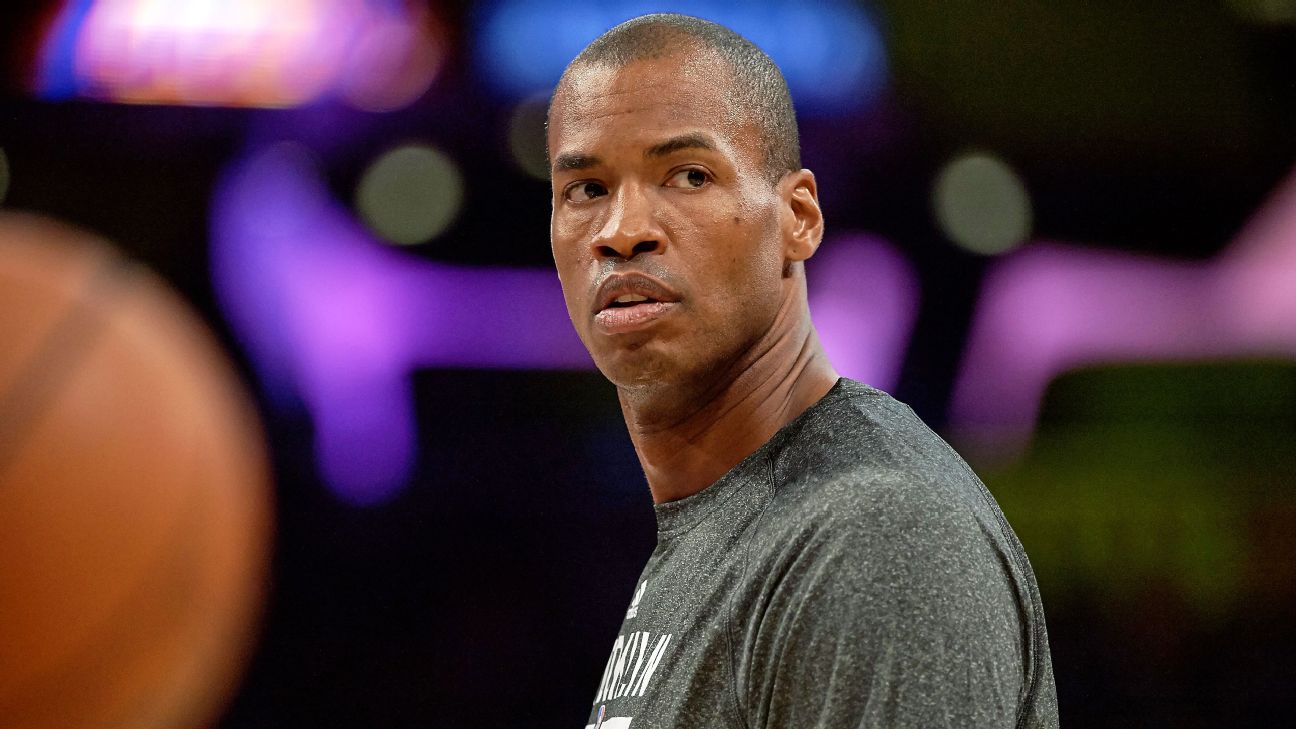
Where Things Stand Now: The Sports World Mourns a Pioneer
In the days following Collins' death, tributes have flooded social media and sports news outlets. Jason Collins' family has requested privacy as they grieve, while encouraging those who wish to honor his memory to support brain cancer research and LGBTQ advocacy organizations. Collins is survived by his husband, Brunson Green; his twin brother, Jarron Collins; his sister-in-law, Elsa Marie Collins; and a wide circle of family and friends.
The NBA has announced plans to honor Collins during the upcoming playoffs, though specific details have not yet been released. His jersey — No. 98, which he wore with the Nets — has become a symbol of the courage and authenticity he brought to the game.
What Happens Next: Carrying Forward the Collins Legacy
Collins' influence continues to resonate. His historic coming out is widely credited with creating a more inclusive environment in professional sports. Advocacy groups expect his story to inspire continued progress in LGBTQ representation in athletics. Additionally, his decision to undergo experimental treatment in Singapore and openly chronicle his battle with glioblastoma has drawn attention to the urgent need for more research funding for this particularly aggressive form of brain cancer.
The Jason Collins Foundation, which he established to support LGBTQ youth in sports, is expected to continue his work. In his ESPN essay, Collins expressed hope that his fight — even in its final chapter — would help others. "If not for me, for someone else," he said.
Key Takeaways from Jason Collins' Life and Legacy
- Jason Collins, 13-year NBA veteran and first openly gay active player in major American pro sports, died May 12, 2026 at age 47 from Stage 4 glioblastoma
- He came out in a historic Sports Illustrated cover story in April 2013, earning praise from President Barack Obama and athletes worldwide
- Collins played for six NBA teams, most notably the New Jersey/Brooklyn Nets, reaching back-to-back NBA Finals in 2002 and 2003
- He married Brunson Green in August 2025 and was diagnosed with glioblastoma shortly after, battling the disease for eight months
- Tributes from NBA Commissioner Adam Silver, Jason Kidd, the Brooklyn Nets, and the Human Rights Campaign highlight his dual legacy as a competitor and trailblazer