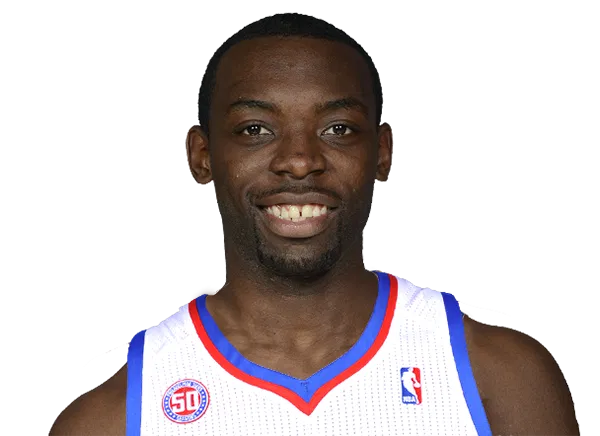
Few professional athletes have risked as much for their political convictions as Enes Kanter Freedom. The former NBA center, who played 11 seasons across five franchises including the Utah Jazz, Oklahoma City Thunder, New York Knicks, Portland Trail Blazers, and Boston Celtics, has carved out a legacy that extends far beyond his career averages of 11.2 points and 7.8 rebounds per game. Kanter Freedom represents a rare figure in professional sports: an athlete willing to sacrifice family connections, financial security, and personal safety to speak out against authoritarianism.
Born on May 20, 1992, in Zurich, Switzerland to Turkish parents, Kanter Freedom's journey from European basketball prodigy to American citizen and global human rights advocate is one of the most compelling stories in modern sports. After being selected third overall in the 2011 NBA Draft by the Utah Jazz — a pick that underscored his immense potential as a post scorer and rebounder — he embarked on an NBA career that would span over a decade. But it was his life off the court that would ultimately define him.
The Name Change That Shook Two Nations
In November 2021, Enes Kanter walked into a Massachusetts courthouse and walked out with a new legal name: Enes Kanter Freedom. The name change, finalized shortly after he became a United States citizen, was more than a symbolic gesture. "Freedom is what America stands for," he explained at the time. The new surname represented both his gratitude to his adopted country and his defiance toward the Turkish government, which had already revoked his passport, issued an Interpol red notice against him, and indicted his father on terrorism-related charges that human rights organizations widely condemned as politically motivated retaliation.
"I've been speaking about freedom, human rights, and democracy for years," Kanter Freedom told reporters. "Now it's officially part of who I am." The name change made international headlines and further strained already severed ties with his country of origin. Turkey's government-controlled media frequently attacks him, and his father, Dr. Mehmet Kanter, was sentenced to prison in 2018 — a move widely seen as punishment for his son's activism. Dr. Kanter was later released, but the message was unmistakable: criticism of the Turkish government carries devastating personal consequences.
The Royce White Connection: NBA Rebels Finding Their Voice
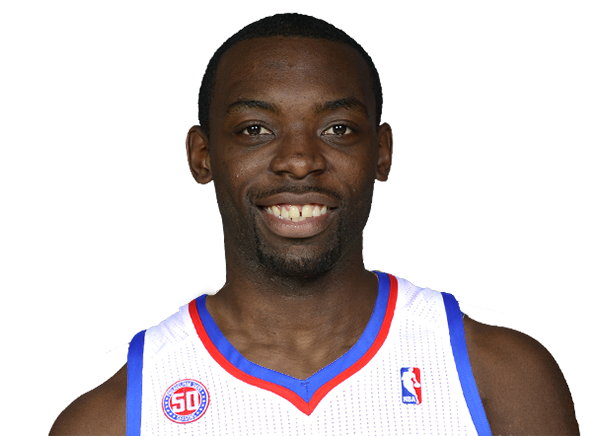
The trending connection between Enes Kanter Freedom and Royce White highlights a fascinating intersection of NBA careers and political activism. Royce White, a 2012 first-round pick by the Houston Rockets, was one of the first professional athletes to openly discuss mental health challenges and criticize the NBA's handling of player wellness. Though White's NBA career was brief, his post-basketball trajectory — which includes running for political office in Minnesota and becoming a prominent conservative political commentator — mirrors Kanter Freedom's evolution from athlete to activist.
Both men represent a new archetype in professional sports: players who leveraged the platform afforded by the NBA to amplify political messages far beyond the hardwood. While their political ideologies differ in significant ways, they share the distinction of being former NBA players whose public identities are now defined more by their activism than their basketball statistics. White's outspoken commentary on American politics and Kanter Freedom's relentless criticism of the Erdoğan regime have made both figures polarizing in their respective spheres — and have demonstrated that NBA fame can translate into genuine political influence.
Their parallel journeys raise important questions about the role of athletes in political discourse. When Kanter Freedom speaks about human rights abuses in Turkey or White critiques American domestic policy, they are operating in territory that many athletes avoid. The risks are real: Kanter Freedom cannot safely travel to many countries and has been effectively exiled from his homeland, while White has faced significant backlash for his political stances. Yet both have persisted, suggesting that the NBA's culture of player empowerment has produced a generation of athletes unwilling to separate their professional identities from their political convictions.
Timeline: From Swiss Birth to American Freedom
1992: Born in Zurich, Switzerland, to Turkish parents. Holds Swiss and eventually American citizenship.
2008-2009: Signs with Fenerbahçe Ülker in Turkey, beginning his professional career at just 16 years old.
2011: Selected third overall by the Utah Jazz in the NBA Draft, becoming one of the highest-drafted Turkish players in league history.
2015: Traded to the Oklahoma City Thunder, where he played alongside Russell Westbrook and Kevin Durant during the team's 2016 Western Conference Finals run.
2017: His Turkish passport is revoked by the government, beginning a series of escalating retaliatory measures against him and his family.
2018: His father, Dr. Mehmet Kanter, is indicted and sentenced to prison in Turkey on charges widely viewed as politically motivated.
2019: Signs with the Boston Celtics, becoming a fan favorite for his energetic play and outspoken personality.
2021: Becomes a United States citizen and legally changes his name to Enes Kanter Freedom.
2022: Plays his final NBA season with the Boston Celtics, reaching the NBA Finals before the team loses to the Golden State Warriors.
WNBA Advocacy: Championing Women's Basketball
One of the more underappreciated dimensions of Kanter Freedom's public persona is his consistent advocacy for women's basketball and the WNBA. Throughout his NBA career and beyond, he has used his substantial social media following to promote WNBA games, celebrate the achievements of women's basketball players, and call for greater investment in women's sports. His support has ranged from attending WNBA games to publicly defending players against online harassment and advocating for pay equity.
Kanter Freedom's WNBA advocacy fits within a broader pattern of solidarity with marginalized communities. His own experience as a political exile — unable to see his family, travel freely, or return to his homeland — has given him a unique perspective on what it means to fight for recognition and respect. He has drawn explicit parallels between the struggles of WNBA players for fair compensation and media coverage, and his own battles against a powerful government that sought to silence him. "When you see injustice, you have to speak up — whether it's in Turkey or in women's sports," Kanter Freedom has said.
The WNBA community has reciprocated this support. Several prominent WNBA players have publicly thanked Kanter Freedom for his allyship, and his presence at games has drawn additional media attention to the league. In a sports landscape where male athlete advocates for women's sports remain relatively rare, Kanter Freedom's consistent and vocal support has made him a valued figure within the WNBA community.
Where Things Stand Now: Life After the NBA
Since his last NBA appearance in 2022, Enes Kanter Freedom has continued his activism work while exploring new professional opportunities. He has become a sought-after speaker on college campuses and at human rights conferences, where he shares his experiences as both a professional athlete and a political dissident. He has also made appearances in professional wrestling — winning the WWE 24/7 Championship in 2021 — and has been involved with the Abrahamic Accords Basketball School, an initiative that brings together children from different religious backgrounds through basketball.
His family situation remains unresolved. His father continues to live in Turkey under government monitoring, and Kanter Freedom has not seen many of his family members in years due to the credible threat of arrest should he travel to countries with extradition treaties with Turkey. Despite these ongoing personal costs, he has shown no indication of moderating his criticism of the Turkish government or his advocacy for democracy and human rights.
Kanter Freedom's social media presence remains robust, with millions of followers across platforms. He regularly engages with current events from a human rights perspective, and his posts about Turkey, women's sports, and American politics reliably generate significant engagement. The sustained interest in his story — reflected in trending search terms connecting him with Royce White and the WNBA — suggests that his public relevance extends well beyond his NBA playing days.
What's Next: The Road Ahead for Kanter Freedom
Looking forward, several possibilities exist for the next chapter of Enes Kanter Freedom's career. He has expressed interest in formal political involvement in the United States, potentially following the path of former NBA players like Royce White and Bill Bradley who transitioned into politics. His citizenship, name recognition, and compelling personal story would make him a formidable candidate should he choose to run for office.
There is also the possibility of a return to professional basketball overseas, though his political situation makes this complicated. Few international leagues operate in countries where Kanter Freedom can safely travel, and any team signing him would need to navigate the diplomatic sensitivities surrounding his case. More likely, he will continue to build his brand as a speaker, commentator, and advocate — a role that allows him to maximize his influence while minimizing his physical risk.
Perhaps most significantly, Kanter Freedom has become a symbol of what athlete-activism can achieve when combined with genuine courage and sacrifice. In an era where many athlete activists face criticism for being insufficiently informed or overly performative, his example stands apart. He has put his family relationships, his financial future, and his personal safety on the line for his beliefs. That authenticity — as much as any basketball achievement — is what will define his legacy.
The Bottom Line: Key Takeaways
- Enes Kanter Freedom transformed from a third-overall NBA draft pick into one of the world's most prominent athlete-human rights advocates
- His name change in 2021 symbolized his embrace of American citizenship and his rejection of Turkish government oppression
- His activism has come at enormous personal cost, including the imprisonment of his father and his permanent exile from his homeland
- The Royce White connection reflects a growing phenomenon of former NBA players leveraging basketball fame for political influence
- His WNBA advocacy has made him a valued ally in women's sports and demonstrates the breadth of his commitment to fighting injustice
- His post-NBA future likely includes continued activism, public speaking, and potentially political involvement in the United States