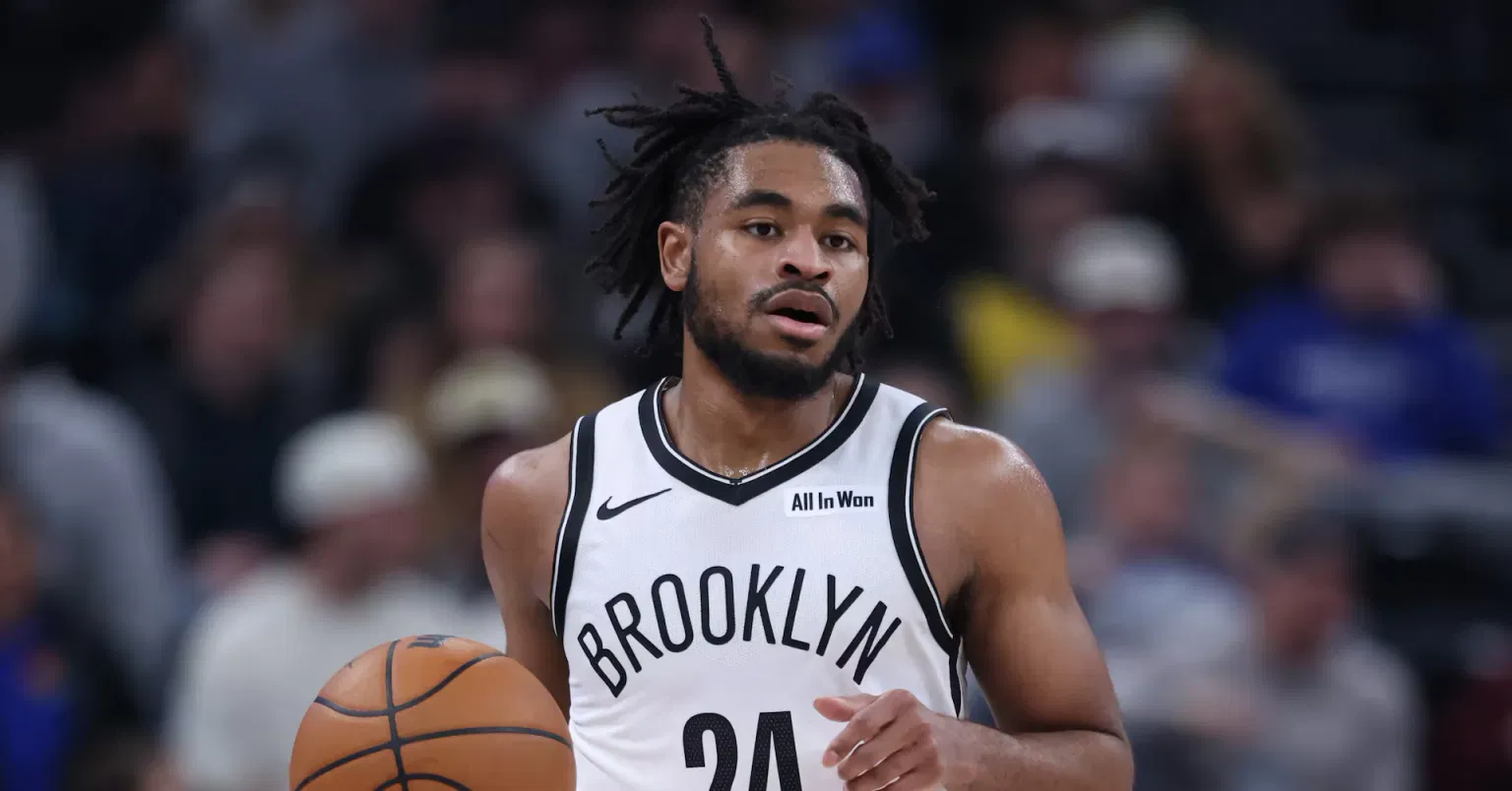
The Brooklyn Nets have officially parted ways with Cam Thomas, waiving the 24-year-old scoring guard after Thursday's NBA trade deadline. The move ends Thomas' four-and-a-half-year tenure with the team and makes him an unrestricted free agent, able to sign with any franchise immediately. According to ESPN sources, the Nets released Thomas after failing to find a trade partner for his $6 million expiring contract, marking a significant shift in the team's roster strategy as they pivot toward developing younger talent.
How the Cam Thomas Era Ended in Brooklyn
The decision to waive Thomas wasn't sudden but the culmination of weeks of trade discussions that ultimately went nowhere. The Nets had hoped to extract some assets for the talented scorer, but his limitations as a playmaker and defender, combined with an injury history, diminished his market value. According to NetsDaily reporting, Brooklyn even explored a deal with the Cleveland Cavaliers that would have sent Lonzo Ball to the Nets in exchange for Thomas, but those talks "did not go far" and Ball was eventually traded to Utah for cap relief.
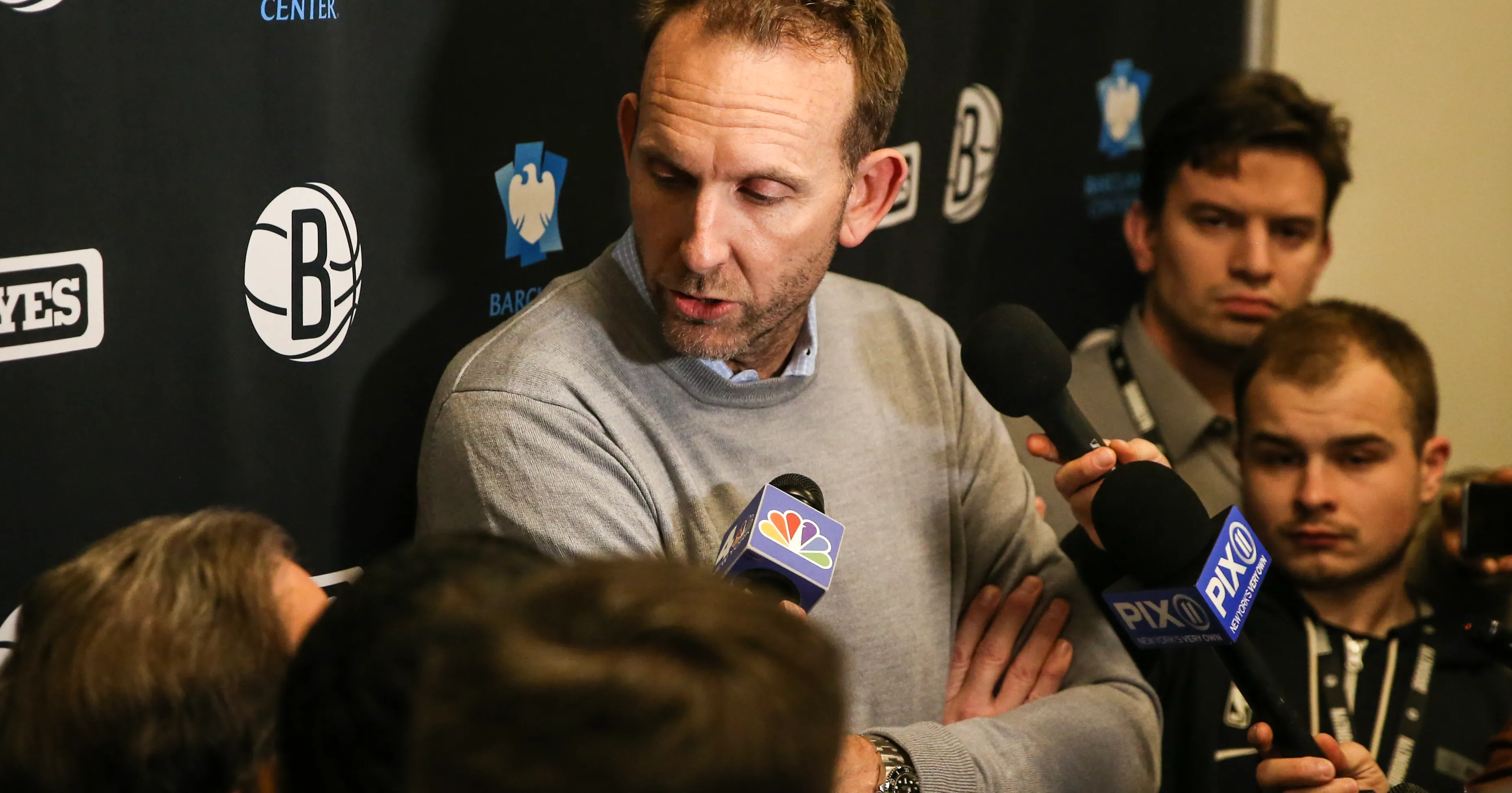
Thomas' departure aligns with the Nets' broader deadline strategy: keep core young pieces like Michael Porter Jr., Nic Claxton, and Day'Ron Sharpe; avoid distraction by big-name but "tarnished" stars; use cap space to acquire draft assets or overlooked young players; and finally, move on from Thomas if a trade couldn't be found. The team executed that plan to the letter, also waiving Haywood Highsmith, Tyrese Martin, and newly acquired Hunter Tyson while adding Ochai Agbaji and Josh Minott in smaller deals.
From Trade Talks to Waiver Wire: The Cam Thomas Timeline
The timeline of Thomas' exit reveals a methodical approach by the Nets front office. In the week leading up to the February 5 deadline, Brooklyn actively shopped Thomas but found limited interest. The Cavaliers discussion represented the most serious flirtation, but Cleveland's preference for cap flexibility over Thomas' scoring punch ended negotiations. When the deadline passed at 3 p.m. ET on Thursday, the Nets made the call to waive Thomas rather than keep a disgruntled player on the roster.
By late Thursday evening, ESPN's Shams Charania broke the news that Thomas had been waived, with SNY's Ian Begley confirming shortly after. The move was formally announced on Friday, February 6, 2026. Thomas now hits the waiver wire, where he'll clear after 48 hours unless claimed—an unlikely scenario given his salary—and then become free to sign anywhere.
Why the Nets Moved On: Thomas' Strengths and Limitations
Cam Thomas is, by any measure, a gifted scorer. This season he averaged 15.6 points, 1.8 rebounds, and 3.1 assists per game while shooting 45.4% from the field and 41.1% from three-point range in February. Over his five-year career, all with Brooklyn, he put up 15.2 points, 2.5 rebounds, and 2.2 assists across 239 games. At just 24, he possesses the kind of microwave scoring ability that can ignite a bench unit.
But his weaknesses are equally pronounced. Thomas is a below‑average defender, often targeted by opponents in pick‑and‑roll situations. His playmaking vision is limited—he averaged only 3.1 assists this season despite high usage—and he has struggled with injuries, missing significant time in previous seasons. Combined with an expiring $6 million qualifying offer that he signed last summer after failing to agree on a long‑term extension, Thomas represented a player whose future in Brooklyn no longer fit the team's timeline.
Where Things Stand: Thomas Enters Free Agency
As of now, Cam Thomas is an unrestricted free agent. The Nets retain no rights to match any offer, and he is free to negotiate with all 29 other teams. Early speculation, reported by Yahoo Sports and Bleacher Report, points to several potential suitors looking for backcourt scoring. The Houston Rockets, New York Knicks, and Sacramento Kings have been mentioned as teams that could use a spark off the bench.
Thomas' situation is unique because he's becoming available mid‑season, after most teams have set their rotations. However, contenders dealing with backcourt injuries or clubs looking for an extra scoring punch before the playoffs could see value in adding a proven bucket‑getter without surrendering assets. The fact that he's only 24 and still on an affordable contract makes him an intriguing low‑risk, high‑reward pickup.
Potential Landing Spots for the Former Net
Analysts have identified three primary destinations for Thomas. The Houston Rockets, who are building around young talent, could use another scorer to complement their core. The New York Knicks, perennially in need of bench production, might see Thomas as an upgrade over current reserve guards. The Sacramento Kings, seeking backcourt depth behind De'Aaron Fox and Keegan Murray, could offer Thomas a chance to compete for minutes immediately.
Other dark‑horse candidates include the Orlando Magic and San Antonio Spurs, both of whom are in development phases and could take a flyer on Thomas' upside. Regardless of where he lands, Thomas will likely be asked to fill a sixth‑man scoring role, a position that better suits his skill set than being a primary ball‑handler.
Key Takeaways from the Cam Thomas Waiver
The Cam Thomas chapter in Brooklyn closes with a clear message: the Nets are prioritizing long‑term building over short‑term scoring. Thomas' departure, along with the other deadline moves, signals a commitment to "playing the probabilities"—a gentler term for tanking—as Brooklyn eyes the 2026 draft lottery and the generational talent it may bring. For Thomas, this is an opportunity to reinvent himself with a new franchise, one that can better harness his scoring talents while masking his defensive shortcomings. At 24, his NBA story is far from over, but his time in Brooklyn has reached its inevitable conclusion.