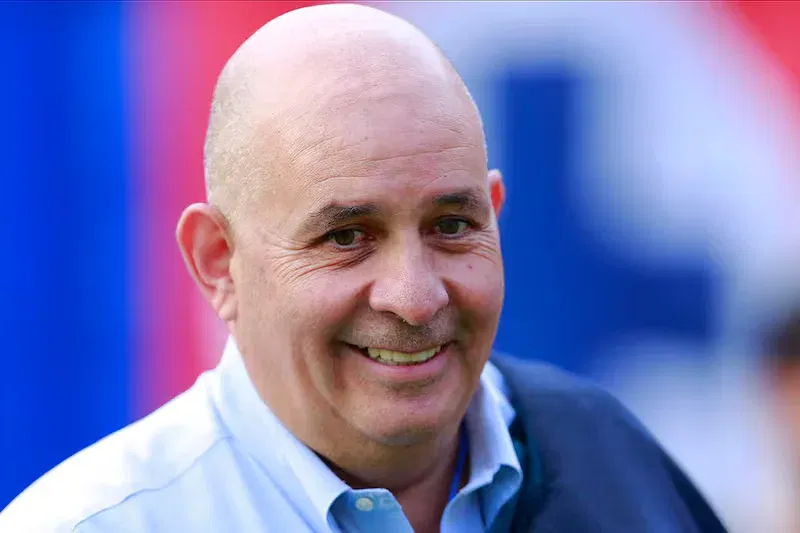
Mexican soccer is facing its most significant governance crisis in years after Liga MX commissioner and Mexican Football Federation president Juan Carlos Rodriguez resigned abruptly on December 13, 2024, following the collapse of a landmark $1.3 billion investment deal with Apollo Global Management. The stunning development came during a contentious meeting of Liga MX club owners who failed to vote on the transformative agreement that would have centralized the league's commercial rights and brought in the NFL as a strategic partner.
How the $1.3 Billion Deal Unraveled: Inside the Liga MX Investment Crisis
The investment agreement, which had been in negotiation for over two years, would have represented the largest financial injection in Mexican soccer history. According to documents obtained by Sportico, Apollo Global Management was prepared to invest $1.3 billion for a 10% stake in a new entity that would house Liga MX's collective media rights beginning in 2028, league-level sponsorship revenue, and a portion of teams' local revenues.
Rodriguez, who had described the deal as "the largest transformation project" in Mexican soccer history, had reportedly told insiders before the December 13 meeting that he would resign if clubs didn't approve the agreement. When several owners indicated they weren't ready to vote in favor of the current terms, Rodriguez made good on his threat, resigning on the spot according to sources familiar with the proceedings.
The core of the disagreement centered on the requirement that all 18 Liga MX clubs pool their commercial rights—a radical departure from the current system where teams individually negotiate their own broadcast deals, sponsorship agreements, and merchandising contracts. This autonomy has allowed powerhouse clubs like Club América and Chivas to secure lucrative individual contracts, particularly in the United States where Liga MX is the most-watched soccer league among the 36 million-strong Mexican diaspora.
Timeline: From Agreement to Resignation in 14 Days
The rapid unraveling of what appeared to be a done deal surprised many in the soccer industry. Just two weeks before Rodriguez's resignation, on December 1, 2024, Sportico reported that Liga MX had reached a formal agreement with Apollo Global Management and the NFL, pending approval from all 18 clubs. In a letter to team owners, Rodriguez outlined the agreement that would provide "more capital, stronger corporate governance and a reorganization of the soccer pyramid in Mexico."
The proposed timeline was aggressive: clubs would review deal points throughout December with the goal of securing votes before year-end. The agreement included the creation of "La Comercializadora" (The Commercializer), a new entity that would centralize media rights and sponsorship sales. It also mentioned deepening ties with Major League Soccer, including a possible "Leagues Cup 2.0" starting in 2027.
However, resistance quickly emerged from clubs that benefit most from the current decentralized system. According to Sports Business Journal, C.F. Pachuca owner Jesús Martínez—whose Grupo Pachuca also owns Club León—opposed doing any deal with a private equity firm. Other owners expressed concerns about specific terms, particularly the percentage of ticket revenue that would be funneled into the collective entity.
Why This Deal Matters: The Future of Mexican Soccer at Stake
The Apollo investment represents more than just capital—it's a fundamental reimagining of how Mexican soccer operates. For decades, Liga MX has maintained a system where clubs operate as independent businesses, negotiating their own media rights and commercial partnerships. While this has created wealthy individual clubs, it has prevented the league from maximizing its collective value and competing effectively with other global soccer leagues.
"The investment deal would have provided Liga MX with the resources and corporate governance structure needed to compete on a global scale," explained a source familiar with the negotiations who spoke to Sports Business Journal. "With the 2026 World Cup coming to North America, this was seen as a crucial opportunity to modernize Mexican soccer's infrastructure and business operations."
The NFL's involvement adds another layer of significance. The world's richest sports league has been seeking ways to expand its presence in Mexico, where it has played regular-season games since 2005. The investment would have given the NFL a strategic foothold in Mexican soccer while providing Liga MX with access to the NFL's extensive commercial expertise and partner network.
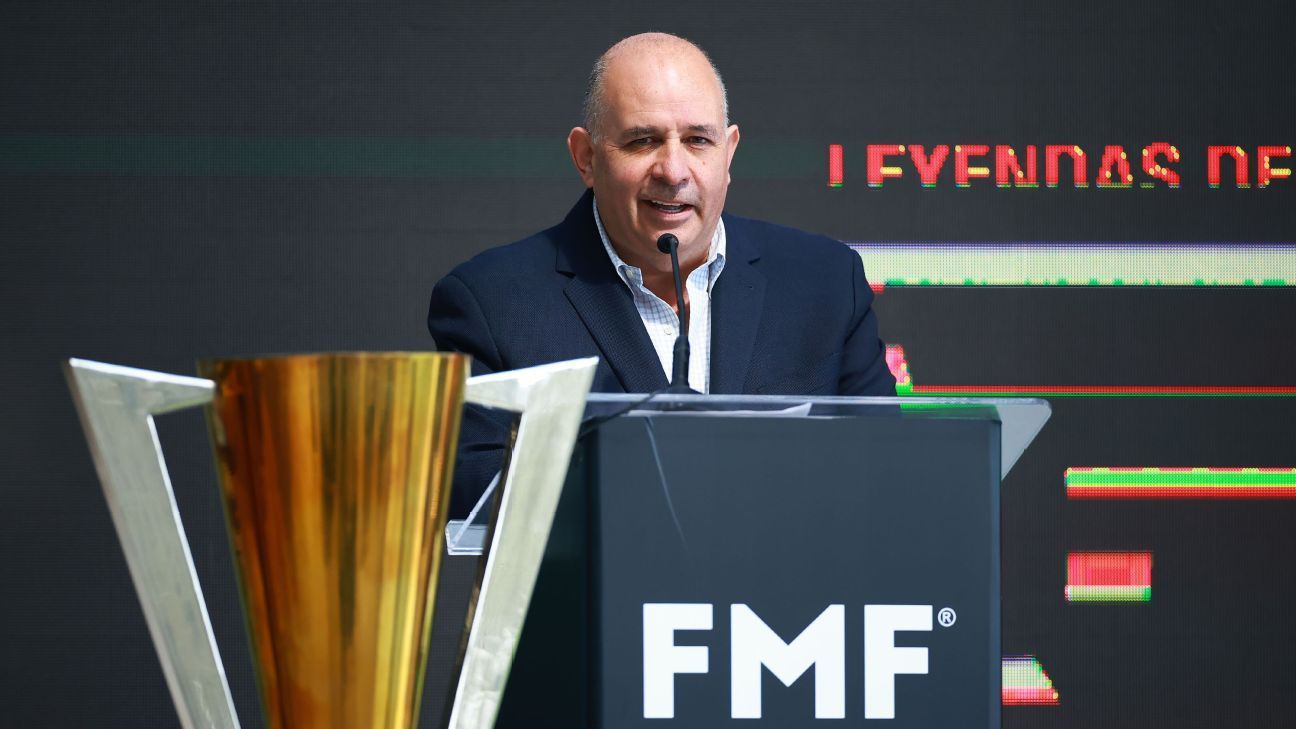
Beyond the financial implications, the deal's collapse exposes deep divisions within Mexican soccer governance. Rodriguez, a former TelevisaUnivision executive who had served as both Liga MX commissioner and FMF president since May 2023, was the primary driver of the Apollo deal on the Liga MX side. His departure after just 18 months in leadership roles creates a significant power vacuum at a critical moment.
The centralization debate also touches on competitive balance issues. Smaller clubs argue that collective selling would create more parity by distributing revenue more evenly, while traditional powers worry about sacrificing their individual commercial advantages. This tension mirrors similar debates that have occurred in European soccer, where leagues like the English Premier League have benefited enormously from collective media rights sales.
Where Things Stand: Negotiations Continue Amid Leadership Void
Despite Rodriguez's dramatic exit, the Apollo deal is not dead. According to sources who spoke to Sports Business Journal, most Liga MX owners still support doing a deal with Apollo, which was chosen from several firms that expressed interest in an investment. The FMF announced that Liga MX president Mikel Arriola will serve as interim commissioner and form a committee of 10 teams in January to continue negotiations with the investment fund.
"The assembly requested the interim commissioner to form a committee of 10 teams in January to continue negotiations with the investment fund, with a special emphasis on strengthening the corporate governance of the institution, and move forward with the all-important transformation project for our soccer," the federation said in a statement obtained by ESPN.
This suggests that while the immediate vote failed, the broader transformation project remains on the table. The key question now is whether clubs can reach consensus on revised terms that address the concerns of those who opposed the initial agreement. Specific sticking points include the percentage of local revenue that would be included in the collective pool and the governance structure of the new entity.
Arriola has previously expressed support for centralizing rights but set a more gradual timeline, mentioning 2028 as the earliest possible date for media rights centralization. This more cautious approach may help bridge the gap between reform advocates and traditionalists, but it also risks missing the opportunity to capitalize on pre-2026 World Cup momentum.
The interim leadership faces additional challenges beyond the Apollo deal. Rodriguez's resignation comes at a time when Mexican soccer is grappling with multiple issues, including improving national team performance after disappointing World Cup showings, addressing fan violence concerns, and managing the relationship with MLS amid growing competition for North American soccer supremacy.
The Road Ahead: Can Liga MX Survive This Governance Crisis?
The immediate fallout from Rodriguez's resignation raises fundamental questions about Liga MX's future direction. The league now finds itself at a crossroads: continue with the status quo of decentralized operations that has created individual club wealth but limited collective growth, or push forward with modernization efforts that could unlock billions in value but require sacrificing traditional autonomy.
Several factors will determine the outcome. First, the composition and mandate of the 10-team committee that will resume negotiations with Apollo in January will be crucial. If dominated by clubs supportive of centralization, a revised deal could emerge quickly. If it includes significant representation from skeptical clubs, the process could drag on indefinitely.
Second, the role of interim commissioner Mikel Arriola will be pivotal. As someone who has expressed support for centralization but advocated a more gradual approach, he may be positioned to broker a compromise that satisfies both camps. His previous experience as a government official could prove valuable in navigating the complex politics of Mexican soccer.
Third, external pressure from the NFL, MLS, and other potential partners could influence the outcome. The NFL's interest in Mexican soccer represents a unique opportunity for cross-sport collaboration that could bring new revenue streams and expertise. Similarly, deepening ties with MLS through an enhanced Leagues Cup competition could create additional financial incentives for reform.
Finally, the looming 2026 World Cup creates both urgency and opportunity. With Mexico co-hosting the tournament alongside the United States and Canada, there is unprecedented global attention on North American soccer. A modernized, centrally-managed Liga MX would be better positioned to capitalize on this moment, potentially attracting new sponsors, broadcast partners, and fans.
Key Points: What You Need to Know About the Liga MX Shakeup
- Leadership Vacuum: Juan Carlos Rodriguez's resignation after just 18 months as Liga MX commissioner and FMF president creates significant instability at the top of Mexican soccer governance.
- Financial Stakes: The collapsed $1.3 billion Apollo investment would have been the largest in Mexican soccer history, with the NFL also participating as a strategic partner.
- Structural Reform: The deal's central feature was requiring all 18 clubs to pool commercial rights into a new entity called "La Comercializadora," ending decades of individual club autonomy.
- Continued Negotiations: Despite the failed vote, most owners still support a deal with Apollo, and a committee of 10 teams will resume negotiations in January 2025.
- Broader Implications: The crisis exposes deep divisions within Mexican soccer about how to balance traditional club independence with the need for collective growth, especially ahead of the 2026 World Cup.
As Mexican soccer enters 2025, the resolution of this governance crisis will shape the league's trajectory for decades. The choices made in the coming months will determine whether Liga MX embraces the centralized model that has fueled growth in other major sports leagues worldwide or maintains its unique but potentially limiting decentralized approach. With billions of dollars and the future of North American soccer at stake, the world will be watching closely.