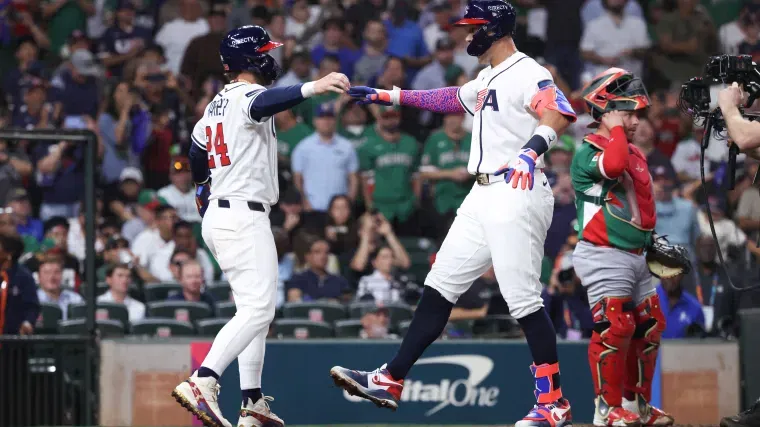
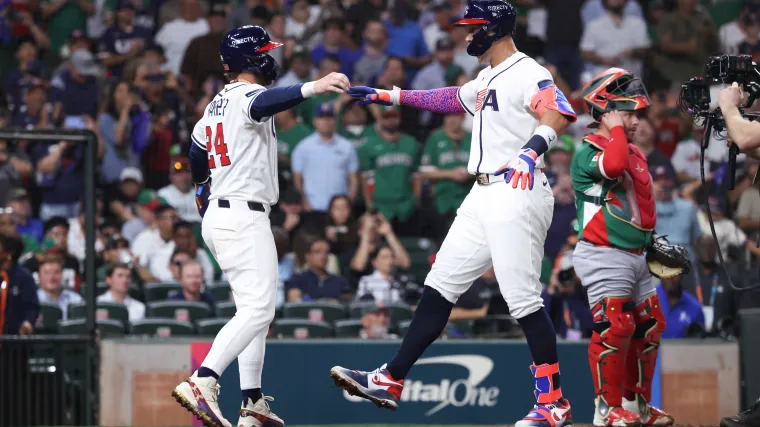
The crack of the bat echoes differently when Team USA faces Mexico in the World Baseball Classic—a sound that carries two decades of history, national pride, and a rivalry that has quietly become one of international baseball's most compelling narratives. For years, this North American showdown has defied expectations, with Mexico holding a surprising psychological edge over their more storied neighbors to the north. But in Houston's electric Daikin Park atmosphere this week, something shifted in the balance of power as the United States secured a crucial victory that may have rewritten the rivalry's future trajectory.
How the Rivalry Unfolded: Breaking Down Two Decades of WBC History
What makes the USA-Mexico baseball rivalry unique isn't just the geographic proximity or shared Major League Baseball talent—it's the consistent pattern of unexpected outcomes that have characterized their World Baseball Classic meetings. Since the tournament's inception in 2006, Mexico has enjoyed a 3-2 advantage over the United States, a statistic that becomes even more remarkable considering the disparity in MLB representation between the two nations. The rivalry's essence lies in Mexico's ability to play what veteran manager Benji Gil describes as "complete baseball"—a blend of fundamental execution, emotional intensity, and strategic innovation that has repeatedly neutralized America's star power.
Monday night's matchup followed a familiar script early, with both teams entering with perfect 2-0 records in Pool B and first place on the line. The significance wasn't lost on players from either side, many of whom are teammates during the MLB season but transform into intense competitors when donning their national colors. For Team USA captain Aaron Judge, the game represented an opportunity to reverse a troubling trend that had seen the Americans lose three consecutive WBC meetings against Mexico. "You feel the history in these games," Judge noted postgame. "There's an extra edge when we play Mexico because they've had our number, and everyone in our dugout knows it."
Timeline: The Key Moments That Shaped the USA-Mexico Baseball Rivalry
The rivalry's foundation was laid in 2006 when Mexico defeated the United States 2-1 in the second round of the inaugural World Baseball Classic, effectively eliminating Team USA from tournament contention. That result established a psychological template that would persist for nearly two decades. The pattern continued in 2009 and 2013 with Mexico securing additional victories, creating what had become a perplexing puzzle for American baseball.
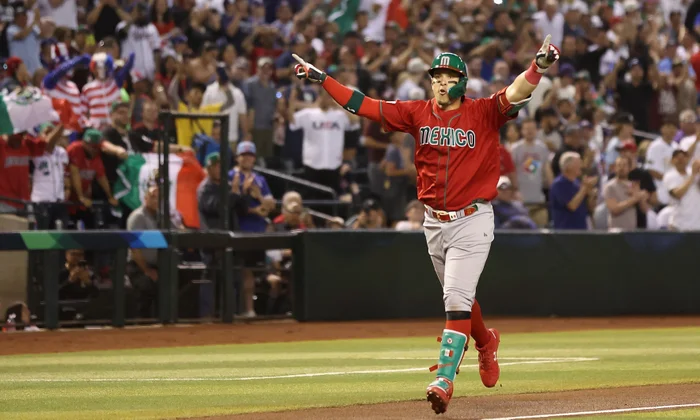
The 2023 meeting in Phoenix represented perhaps the rivalry's most emphatic statement, as Mexico delivered an 11-5 drubbing behind Joey Meneses' two home runs. That performance underscored Mexico's evolution from underdog to legitimate contender, showcasing a lineup capable of matching power with power against even the most talented American rosters. The 2026 matchup in Houston represented the latest chapter, with both teams featuring rosters packed with MLB All-Stars and rising talents.
Why This Rivalry Matters: The Bigger Picture for International Baseball
Beyond the box scores and tournament standings, the USA-Mexico rivalry represents something larger for baseball's global growth. As MLB continues to expand its international footprint, competitive balance between traditional powerhouses and emerging baseball nations becomes crucial for the sport's long-term health. Mexico's consistent success against the United States demonstrates that baseball talent is becoming more evenly distributed worldwide, creating more compelling narratives and unpredictable tournaments.
"This rivalry is exactly what the World Baseball Classic was created to foster," explains baseball historian John Thorn. "When you have a neighbor that can consistently challenge you, it raises the level of play on both sides and creates genuine stakes that transcend any single game. What we're seeing between the United States and Mexico is the maturation of international baseball into something with real historical weight."
The economic implications are equally significant. With growing Mexican-American populations in baseball markets across the United States, these matchups generate unique cross-cultural interest that few other international pairings can match. Television ratings for USA-Mexico WBC games consistently rank among the tournament's highest, demonstrating the rivalry's drawing power and potential for growing the sport's fanbase.
Where Things Stand Now: The Current State of the Rivalry
With the United States' recent victory, the rivalry enters a new phase characterized by renewed competitive balance. While Mexico still holds the historical advantage, the psychological barrier that had developed over three consecutive American losses has been broken. The win gives Team USA momentum as they advance toward the quarterfinals, while Mexico remains well-positioned to progress in the tournament, setting up the possibility of another meeting in the knockout stages.
Player development trends suggest the rivalry will only intensify in coming years. Mexico's baseball infrastructure has produced an increasing stream of MLB talent, while the United States continues to leverage its enormous player pool and advanced development systems. The result is what Fox Sports analyst John Smoltz describes as "a perfect storm of competitive factors"—two nations with deep baseball traditions, growing talent pipelines, and genuine national pride at stake.
What Happens Next: The Future of USA-Mexico Baseball Showdowns
Looking beyond the 2026 World Baseball Classic, the rivalry appears poised for even greater significance. With MLB considering expanded international play and the WBC likely to continue growing in prestige, USA-Mexico matchups will increasingly carry implications beyond tournament advancement. Several factors suggest this rivalry will become even more central to international baseball:
- Youth Development Convergence: Mexican academies are producing MLB-caliber talent at an accelerating rate, narrowing the historical gap in player development resources.
- Increased MLB Integration: With more Mexican players establishing themselves as MLB stars, national team rosters will feature more players familiar with competing against each other at the highest level.
- Tournament Format Evolution: As the World Baseball Classic expands and potentially increases frequency, these matchups will occur more regularly with higher stakes.
- Cultural Significance: The cross-border nature of the rivalry taps into broader cultural exchanges that extend beyond sports, amplifying its relevance.
Baseball executives on both sides recognize the rivalry's value. "These games have become must-watch events for baseball fans in both countries," notes MLB Commissioner Rob Manfred. "The intensity and quality of play in USA-Mexico matchups exemplify what we hope to achieve with international baseball—competition that honors the sport's traditions while pushing it forward into new markets and new generations of fans."
The Bottom Line: Key Takeaways from the Evolving Rivalry
The USA-Mexico baseball rivalry has evolved from occasional tournament meeting to one of international baseball's defining narratives. Several key points emerge from two decades of competition:
- Historical Advantage: Mexico's 3-2 edge in WBC play demonstrates consistent competitive capability against a traditionally favored opponent.
- Psychological Shifts: The United States' recent victory breaks a pattern of Mexican dominance, potentially resetting the rivalry's psychological dynamics.
- Talent Convergence: Player development trends suggest increasingly even matchups as Mexico produces more MLB-level talent.
- Global Implications: The rivalry's growth reflects baseball's expanding international footprint and competitive balance.
- Cultural Resonance: Cross-border connections amplify the rivalry's significance beyond pure competition.
As the World Baseball Classic continues and both nations invest in their baseball futures, one thing seems certain: when Team USA and Team Mexico take the field, what happens between the lines will continue to shape not just tournament outcomes, but the very trajectory of international baseball. The crack of the bat in these matchups echoes with history being written—one pitch, one hit, one game at a time.