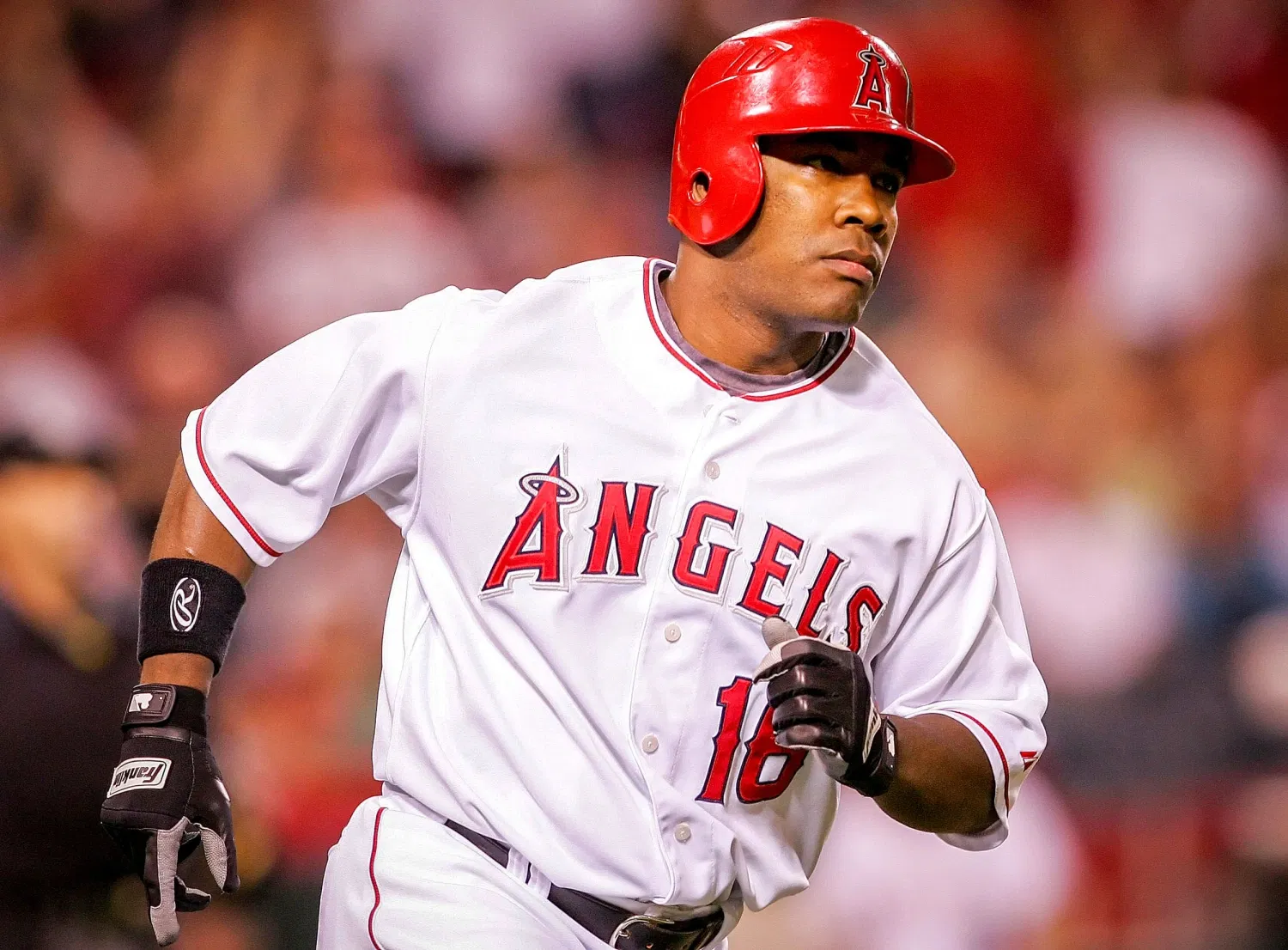
The baseball world was stunned Friday when the Los Angeles Angels announced the sudden passing of franchise legend Garret Anderson at age 53. The three-time All-Star and 2002 World Series champion, who holds virtually every significant offensive record in Angels history, died of a heart attack, according to his wife Teresa Anderson. News of his death spread quickly through the sports community, triggering an outpouring of tributes from current players, team officials, and baseball fans who remembered the quiet slugger as one of the most consistent and beloved figures in Angels history.
How the Angels Lost a Legend: Inside Garret Anderson's Sudden Passing
Garret Anderson's death came as a shock to the baseball world due to his relatively young age and the sudden nature of his medical emergency. According to multiple reports, Anderson suffered a heart attack at his California home on Thursday, April 16, 2026. His wife Teresa confirmed the cause of death to ESPN's Michael Eaves, revealing that the former outfielder had experienced no prior public health issues. The Angels organization made the official announcement Friday morning, with team owner Arte Moreno describing Anderson as "one of our franchise's most beloved icons" in a heartfelt statement.
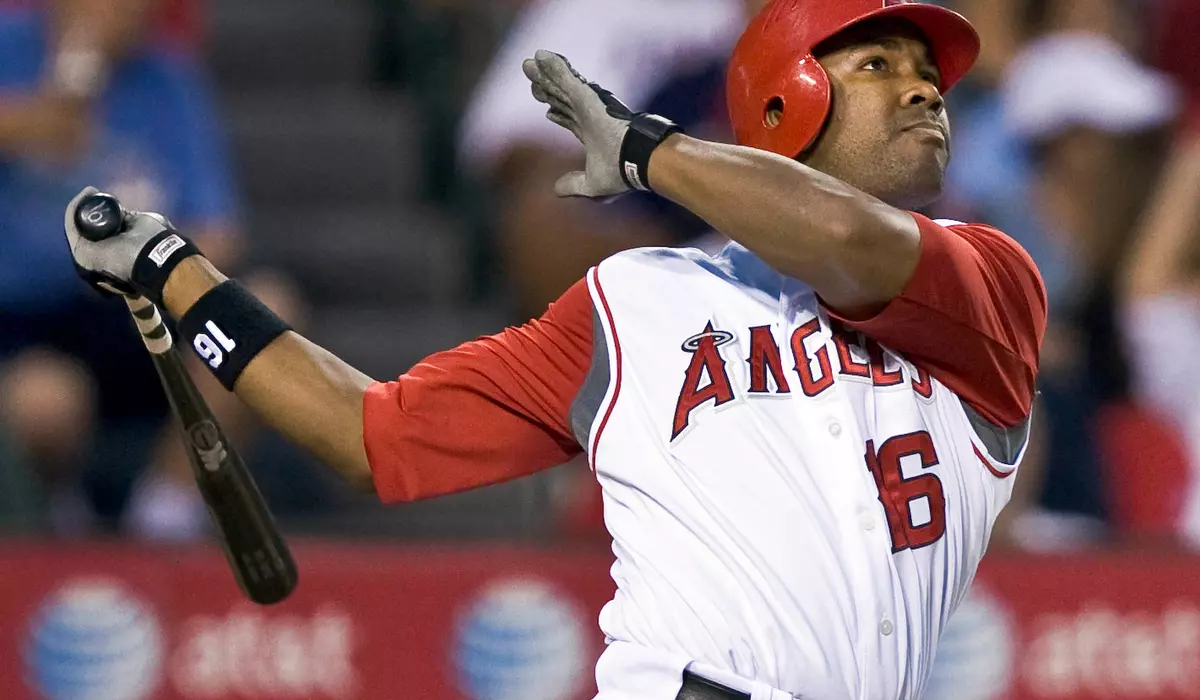
Anderson's impact on the Angels organization was immediately evident in the team's response. The Angels announced they would wear "GA" patches on their uniforms for the remainder of the season and held a moment of silence before their Friday home game. Current Angels star Mike Trout, who grew up watching Anderson play, posted on X: "Garret Anderson was a huge part of Angels history and inspired so many of us who wear this uniform. Keeping his family in my thoughts and prayers." The entire MLB community joined in mourning, with the league office issuing a statement calling Anderson a "highly respected figure in the clubhouse and across our National Pastime."
Timeline: From California Debut to Franchise Immortality
Garret Anderson's baseball journey began when the California Angels selected him in the fourth round of the 1990 MLB draft. He made his major league debut in 1994 and quickly established himself as a cornerstone of the franchise. His career timeline reads like a history of the Angels organization itself: from the 1995 AL West title to the franchise's relocation to Anaheim, and ultimately to the crowning achievement of the 2002 World Series championship.
The 2002 season represented Anderson's peak performance. He batted .306 with 123 RBIs during that regular season, helping the then-Anaheim Angels overcome a 3-2 series deficit against Barry Bonds and the San Francisco Giants in the World Series. His three-run double in Game 7 proved to be the difference-maker, securing the Angels' first and only championship. Anderson continued his excellence with back-to-back Silver Slugger Awards in 2002 and 2003, earning All-Star selections in both seasons and again in 2005.
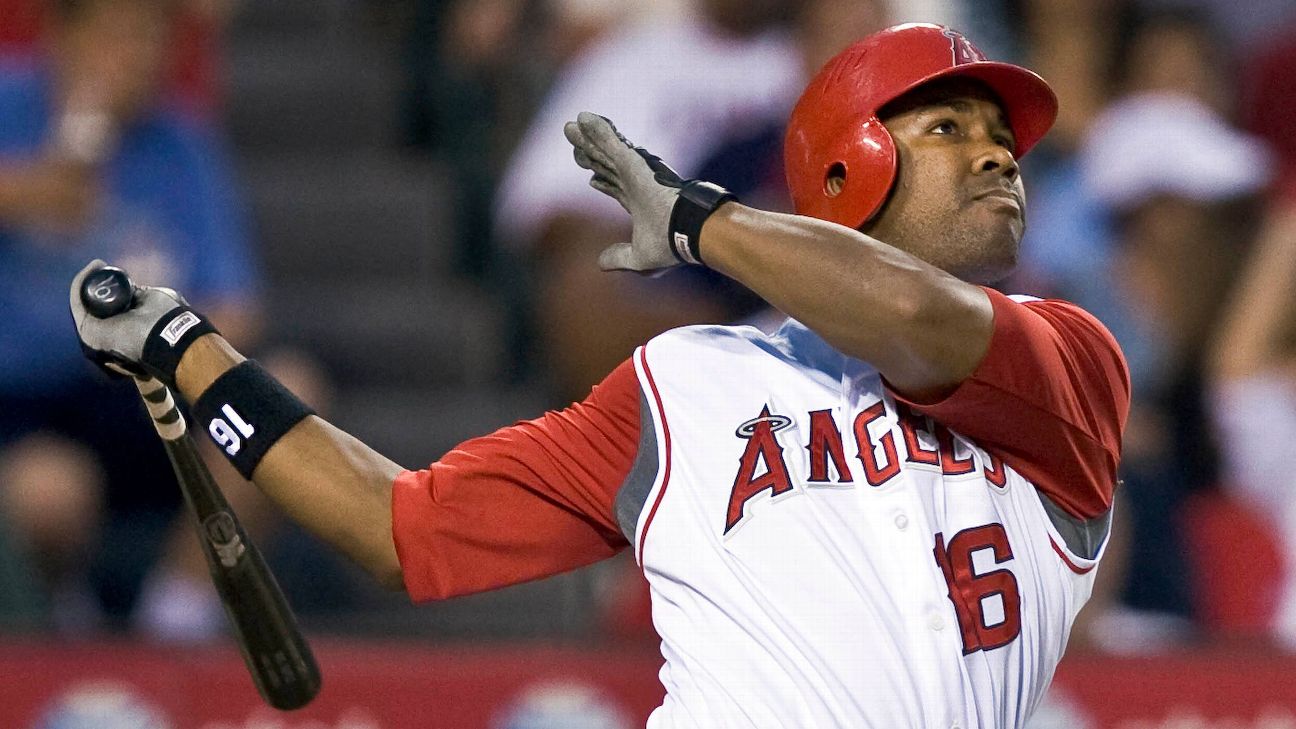
Anderson remained with the Angels through the 2008 season, playing 15 of his 17 major league seasons with the franchise. He spent his final two seasons with the Atlanta Braves and Los Angeles Dodgers before retiring in 2010. Throughout his career, Anderson was known for his quiet demeanor and consistent production, earning the nickname "Steady Eddie" from teammates and fans alike.
Why Garret Anderson's Legacy Transcends Statistics
While Garret Anderson's statistical achievements are staggering—he remains the Angels' all-time leader in games played, hits, RBIs, total bases, doubles, and extra-base hits—his true legacy lies in how he represented the franchise. In an era of flashy personalities and constant media attention, Anderson preferred to let his performance speak for itself. His understated approach made him something of an enigma to national media but endeared him to Angels fans who appreciated his blue-collar work ethic.
"He was the perfect Angel," said former teammate Tim Salmon in various tributes circulating after Anderson's death. "He showed up every day, played through injuries, never complained, and produced year after year. In many ways, he was the heart and soul of those teams during the most successful period in franchise history." Anderson's 272 home runs rank third in Angels history, behind only Salmon and Mike Trout, and his 1,589 career hits established a new club record that still stands today.
Beyond the numbers, Anderson's impact can be measured in the respect he commanded throughout baseball. Despite never winning a Gold Glove, he was considered one of the most reliable left fielders of his era. His throwing arm was particularly feared by baserunners, and his consistent batting approach—he never struck out more than 100 times in a season—made him a model of offensive efficiency in an increasingly power-dominated game.
Where Things Stand: The Angels Honor Their Fallen Hero
In the immediate aftermath of Anderson's passing, the Angels organization moved quickly to honor his memory. The team's charter flight back from New York on Thursday, which should have been celebratory after a successful series against the Yankees, became somber as players learned of Anderson's death. According to outfielder Jo Adell, Mike Trout informed teammates of the news as they landed in California, turning what should have been a joyous homecoming into a moment of collective mourning.
The Angels have announced plans for a permanent tribute to Anderson at Angel Stadium, though specific details have yet to be released. The team's Friday night game against the Oakland Athletics featured a pre-game video tribute and moment of silence, with players wearing black armbands bearing Anderson's initials. The organization has also established a memorial fund in Anderson's name to support youth baseball programs in Southern California, reflecting his longstanding commitment to community outreach.
Major League Baseball has indicated it will honor Anderson during upcoming events, possibly including the All-Star Game. Commissioner Rob Manfred issued a statement praising Anderson's "quiet dignity and professional excellence," noting that "players like Garret Anderson are the foundation upon which our great game is built."
What Happens Next: Preserving a Baseball Legacy
As the initial shock of Garret Anderson's death subsides, the baseball community faces the task of properly memorializing his contributions to the sport. There are immediate calls for the Angels to retire Anderson's number 16, which has not been worn since he left the team in 2008. Given his franchise-record achievements and role in bringing the Angels their only World Series championship, such an honor seems increasingly likely.
Longer-term, Anderson's passing raises questions about how baseball remembers its quiet stars. In an age where social media presence and flashy personalities often dominate headlines, Anderson represented an older model of professional athlete: focused on performance rather than self-promotion. His career serves as a reminder that greatness can come in many forms, and that consistent excellence over a long period deserves recognition equal to momentary flashes of brilliance.
The Angels organization now faces the challenge of helping Anderson's family through this difficult period while ensuring that future generations of fans understand his significance to franchise history. With spring training facilities named for previous legends like Gene Autry and Nolan Ryan, there is precedent for creating permanent physical memorials that keep Anderson's legacy alive for years to come.
The Bottom Line: Key Points to Remember About Garret Anderson
Garret Anderson's sudden death at age 53 marks the end of an era for the Los Angeles Angels and Major League Baseball. As fans and former teammates process this loss, several key points define his legacy:
- Anderson was the Angels' all-time leader in virtually every offensive category, including hits, games played, RBIs, doubles, total bases, and extra-base hits
- His three-run double in Game 7 of the 2002 World Series was the decisive hit that secured the Angels' only championship
- Despite his quiet demeanor, Anderson earned three All-Star selections, two Silver Slugger Awards, and induction into the Angels Hall of Fame
- He played 15 of his 17 MLB seasons with the Angels, demonstrating rare loyalty in an era of frequent player movement
- The Angels are wearing "GA" patches for the remainder of the 2026 season and have established a memorial fund in his name
Garret Anderson may have been one of baseball's quietest superstars, but his impact on the Angels franchise and the Southern California baseball community will echo for generations. As current players don his initials on their uniforms and fans share memories of his clutch performances, Anderson's legacy serves as a powerful reminder that true greatness doesn't need to shout—it simply needs to show up, day after day, year after year, and let the performance speak for itself.