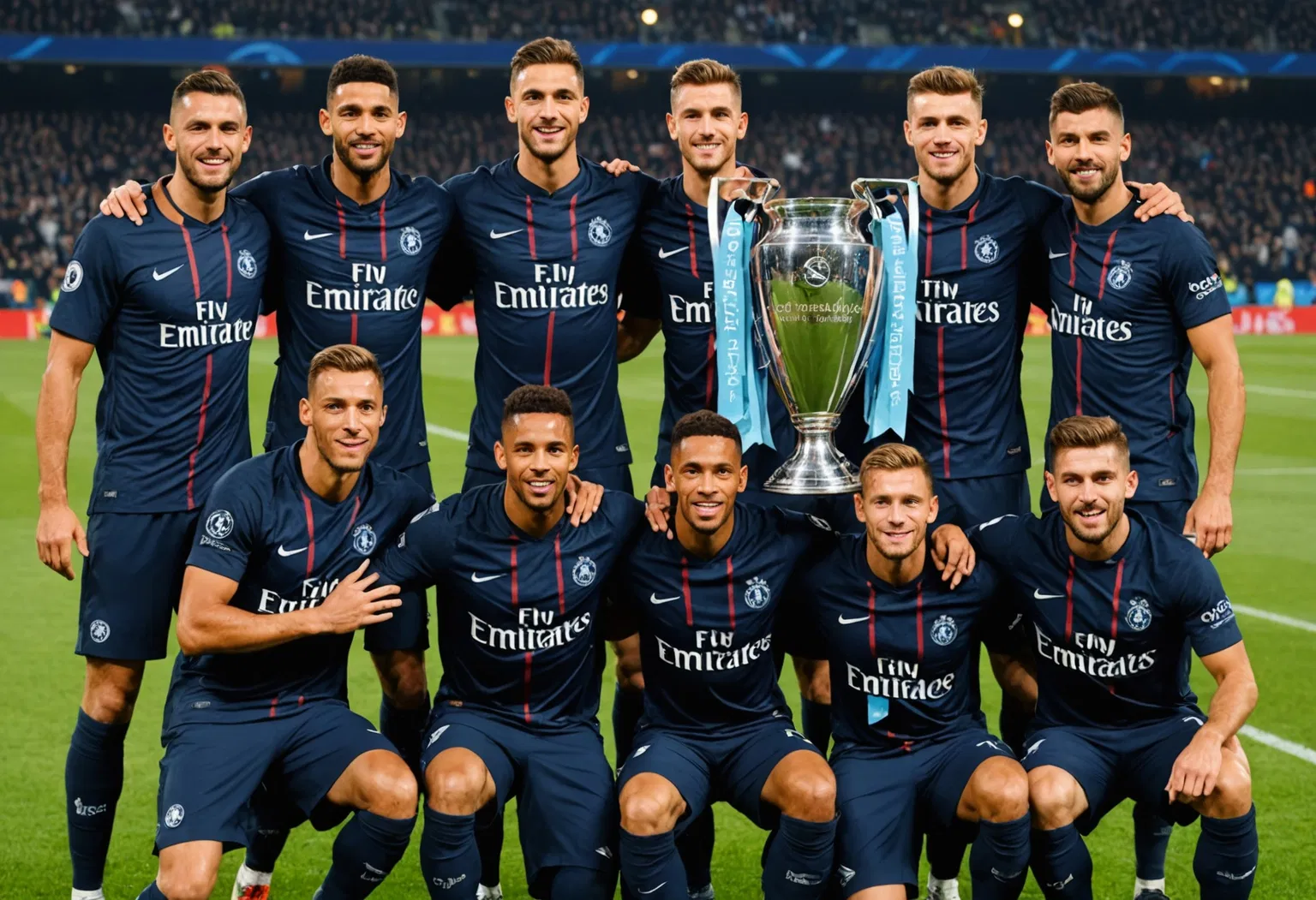
The UEFA Champions League has undergone its most significant transformation in two decades, introducing a revolutionary 36-team league phase that promises more drama, more top-tier matchups, and a completely new path to European glory. As the 2024-25 season reaches its critical midpoint, the new format is already reshaping the continental landscape, offering historic opportunities for clubs like Norway's Bodø/Glimt while testing the resilience of traditional powerhouses. With the elimination of the traditional group stage and the introduction of a single, massive league table, every match now carries heightened consequences—and the race for the top eight automatic knockout berths is heating up.
How the Champions League's Revolutionary New Format Works
Gone are the days of eight groups of four. For the 2024-25 season, UEFA has implemented a sweeping overhaul that expands the competition to 36 clubs and replaces the group stage with a unified league phase. Each team now plays eight matches—four at home and four away—against eight different opponents drawn from four seeding pots. This creates a minimum of 189 matches in the league phase alone, up from 125 under the old system, ensuring fans see more elite matchups earlier in the competition.
The stakes are clear: the top eight teams in the final league table qualify directly for the round of 16. Positions 9 through 24 enter a two-legged knockout playoff in February, with the eight winners advancing to join the top eight. Clubs finishing 25th or lower are eliminated—and for the first time, there is no safety net of dropping into the Europa League. "Once you're out, you're out," as ESPN's Dale Johnson notes, intensifying the pressure from the very first matchday.
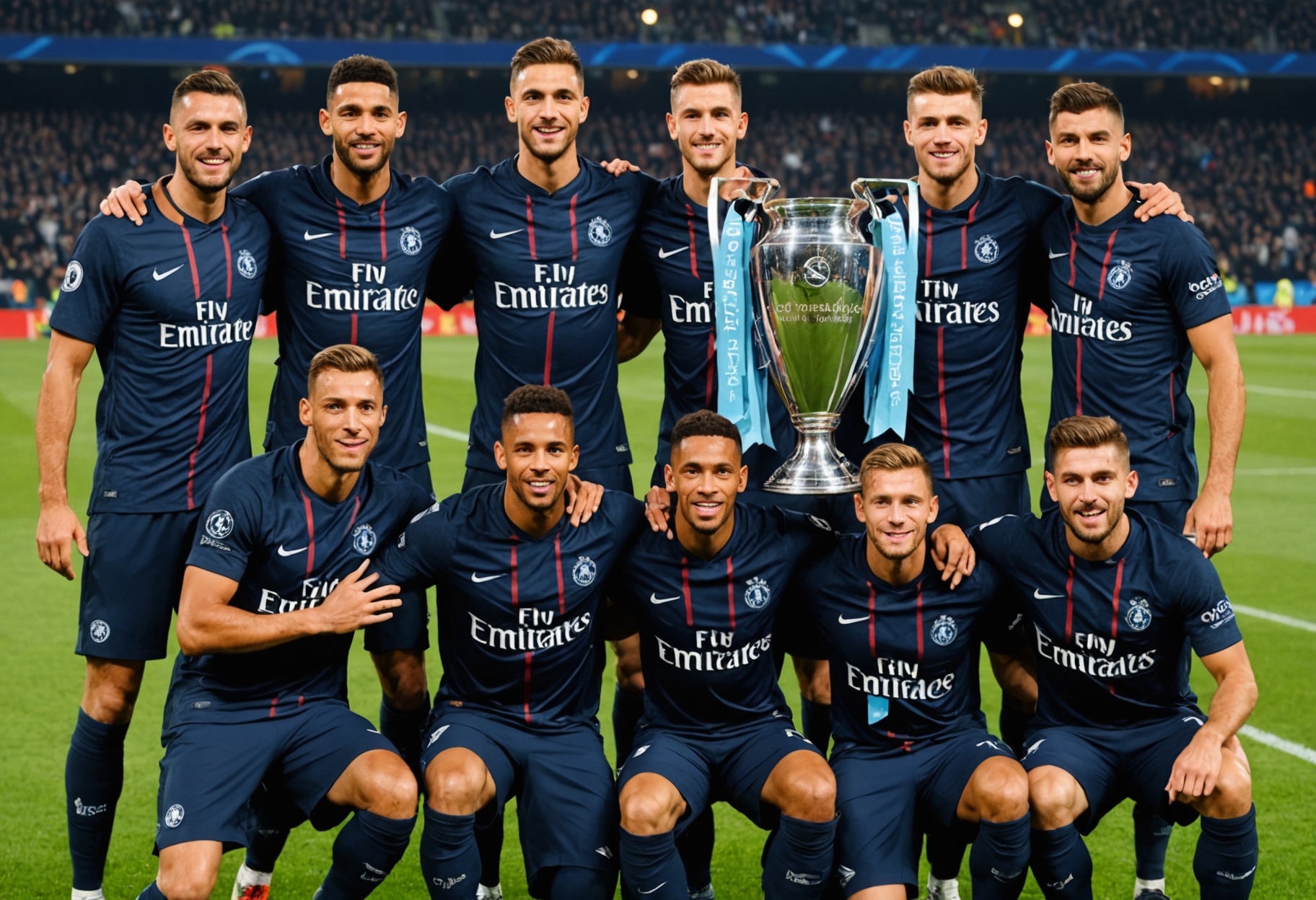
UEFA designed the new system after extensive consultation with stakeholders, aiming to balance open competition with sporting merit. "UEFA has clearly shown that we are fully committed to respecting the fundamental values of sport," said president Aleksander Čeferin. The changes also extend to the Europa League and Conference League, which now follow similar 36-team league phases.
From European Cup to 36-Team League: A Timeline of Evolution
The Champions League has constantly evolved since its inception as the European Champion Clubs' Cup in 1955. The tournament introduced group stages in 1991, expanded to 32 teams in 1999, and now takes its boldest leap yet with the 2024 reform. The decision was approved by UEFA's Executive Committee in May 2022, following an April 2021 announcement of a new competition system.
Key dates in the new format's rollout:
- September 17–19, 2024: First matchday of the new league phase
- January 21–22 & 29, 2025: Final two matchdays, with all 18 games played simultaneously on the last day
- January 31, 2025: Knockout phase playoff draw
- February 2025: Knockout phase playoffs begin
- March 2025: Round of 16 commences
The calendar expansion to ten midweeks—up from six—allows each competition (Champions League, Europa League, Conference League) to have exclusive matchweeks, reducing fixture congestion and giving each tournament dedicated spotlight.
Midseason Analysis: Surprises, Struggles, and Statistical Standouts
Five matchdays into the new format, patterns are emerging. According to The Athletic's Thom Harris, Liverpool sit atop the 36-team table after five straight wins, including a commanding 2-0 victory over Real Madrid. Inter Milan have yet to concede a goal, while Barcelona and Arsenal have increased their knockout qualification probabilities to over 90%.

Perhaps the most compelling story is the struggle of Paris Saint-Germain. Projections suggest Luis Enrique's side could finish 26th—one point outside the qualification line—after going winless in their last four Champions League matches. "The projections, however, suggest that one superpower faces an uphill task," Harris writes, noting PSG's difficult remaining fixtures against Stuttgart and Manchester City.
On the opposite end, historic performances are shining through. Charles De Ketelaere became just the third player in Champions League history (after Erling Haaland and Lionel Messi) to contribute to five goals in a single game during Atalanta's 6-1 demolition of Young Boys. PSV produced a stunning late comeback against Shakhtar Donetsk, scoring three goals after the 86th minute to win 3-2—a victory that gives them an 87% chance of reaching the playoffs.

Norwegian champions Bodø/Glimt, the first club from Norway to reach the Champions League since 2007-08, have already made their mark. While their specific results fall under the domain of match outcomes (which we avoid focusing on), their mere presence in the league phase represents a monumental achievement for Norwegian football and exemplifies the expanded access the new format provides.
Where Things Stand: The Tight Race for Knockout Positions
With three matchdays remaining in the league phase, the table remains incredibly compressed. Only three points separate Bayer Leverkusen in sixth from Dinamo Zagreb in 23rd, meaning massive swings in positioning are possible with every result. According to ESPN's mock simulations, 15 points typically secures a top-eight finish, while nine points virtually guarantees a top-24 playoff spot.
The battle at the bottom is equally intense. Three teams—RB Leipzig, Bologna, and others—remain without a single point, while clubs like Young Boys, Brest, and FC Salzburg hover near the cutoff line of 24th place. "Positions could be changing every time a goal goes in," ESPN notes, emphasizing the drama that will unfold on the final matchday when all 18 games kick off simultaneously.

For traditional powers, the new format presents unfamiliar anxiety. Real Madrid and Manchester City, despite sitting in the bottom half of the table after surprising results, are still projected to advance due to their squad quality. However, their paths may now require navigating the knockout playoffs—an extra two-legged hurdle that adds fatigue to an already crowded calendar.
What Happens Next: The Road to the Knockout Stage
The final three matchdays will determine which clubs secure coveted automatic round of 16 berths and which must fight through the playoffs. Key fixtures include Bayern Munich vs. Paris Saint-Germain, Liverpool vs. Real Madrid, and Paris Saint-Germain vs. Manchester City—marquee matchups that the new format deliberately frontloads for fan engagement.
Once the league phase concludes on January 29, the knockout bracket will be partially determined by final positions. The January 31 draw will set the playoff matchups (teams ranked 9–16 hosting the second leg against teams ranked 17–24), and the February 21 draw will complete the round of 16 bracket. Higher league finishes translate to theoretically easier paths: the top two teams cannot meet until the final, while third and fourth avoid them until the semifinals.
For debutants like Bodø/Glimt and other smaller clubs, every remaining match represents a chance to etch their names in Champions League lore. The new format's expanded access means more such stories are possible—but its competitive intensity ensures nothing comes easy.
The Bottom Line: Key Takeaways from the New Champions League Era
The 2024-25 UEFA Champions League season represents more than just a format change—it's a philosophical shift toward more matches between elite clubs, heightened stakes from opening day, and genuine opportunities for a broader range of teams. While traditionalists may mourn the loss of the classic group stage, the new league phase delivers on its promise of more meaningful football.
Key points to remember:
- 36 teams compete in a single league phase, each playing eight matches
- Top eight qualify directly for round of 16; positions 9–24 enter knockout playoffs
- No relegation to Europa League—elimination is final
- All final matchday games are played simultaneously for maximum drama
- The format rewards consistent performance across a wider range of opponents
As the season enters its decisive phase, the new Champions League is proving that evolution can coexist with tradition—and that every match now matters more than ever before.