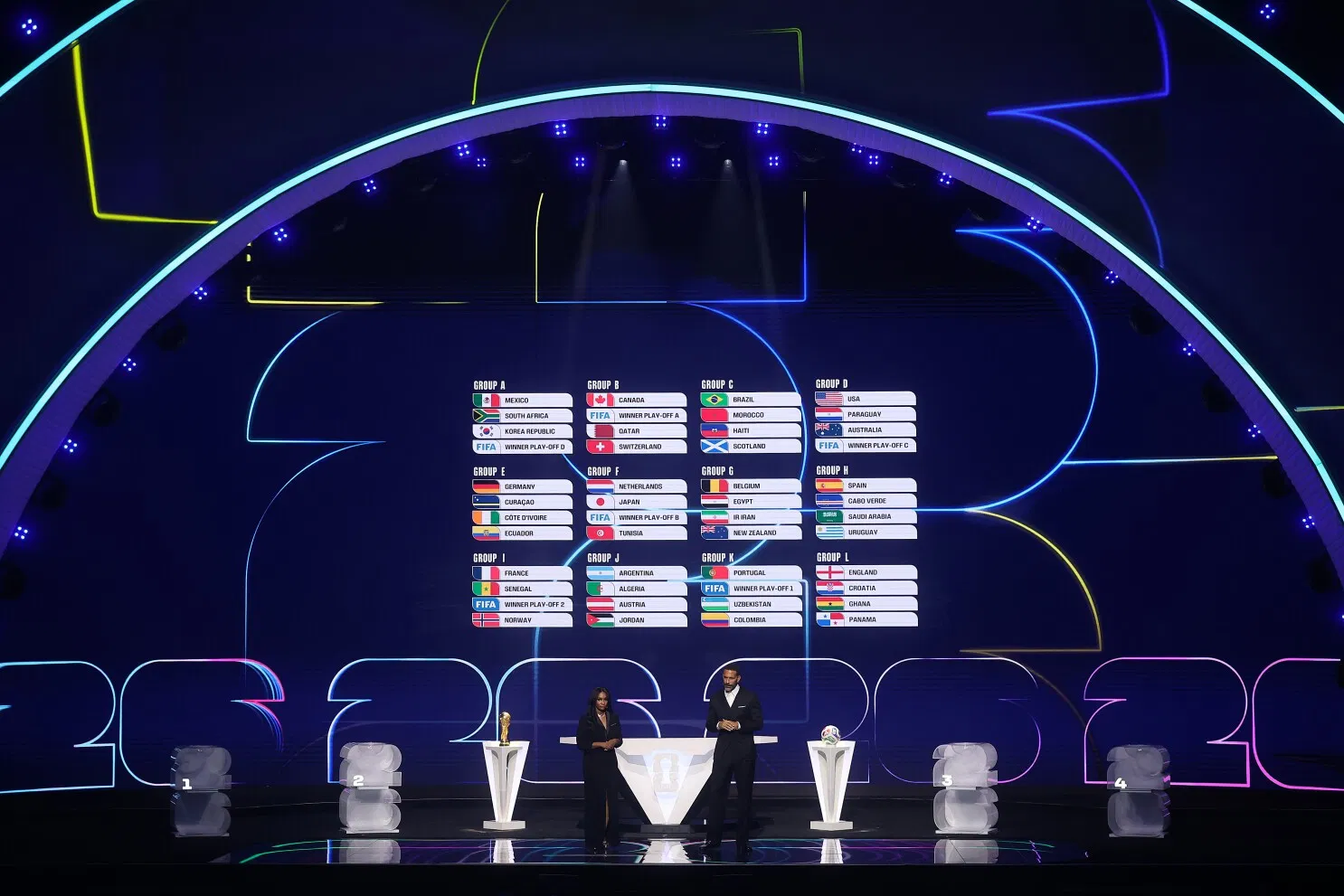
The 2026 FIFA World Cup draw has been completed in a spectacular ceremony at the Kennedy Center in Washington D.C., setting the stage for the largest and most ambitious tournament in football history. With all 48 teams now confirmed for the expanded format, the group stage matchups have been revealed, creating intriguing narratives across the 12 groups that will unfold across 16 cities in the United States, Canada, and Mexico next summer. The historic draw, conducted by football legends and sporting icons, marks a pivotal moment as the world prepares for the first 48-team World Cup, promising unprecedented global representation and competitive drama.
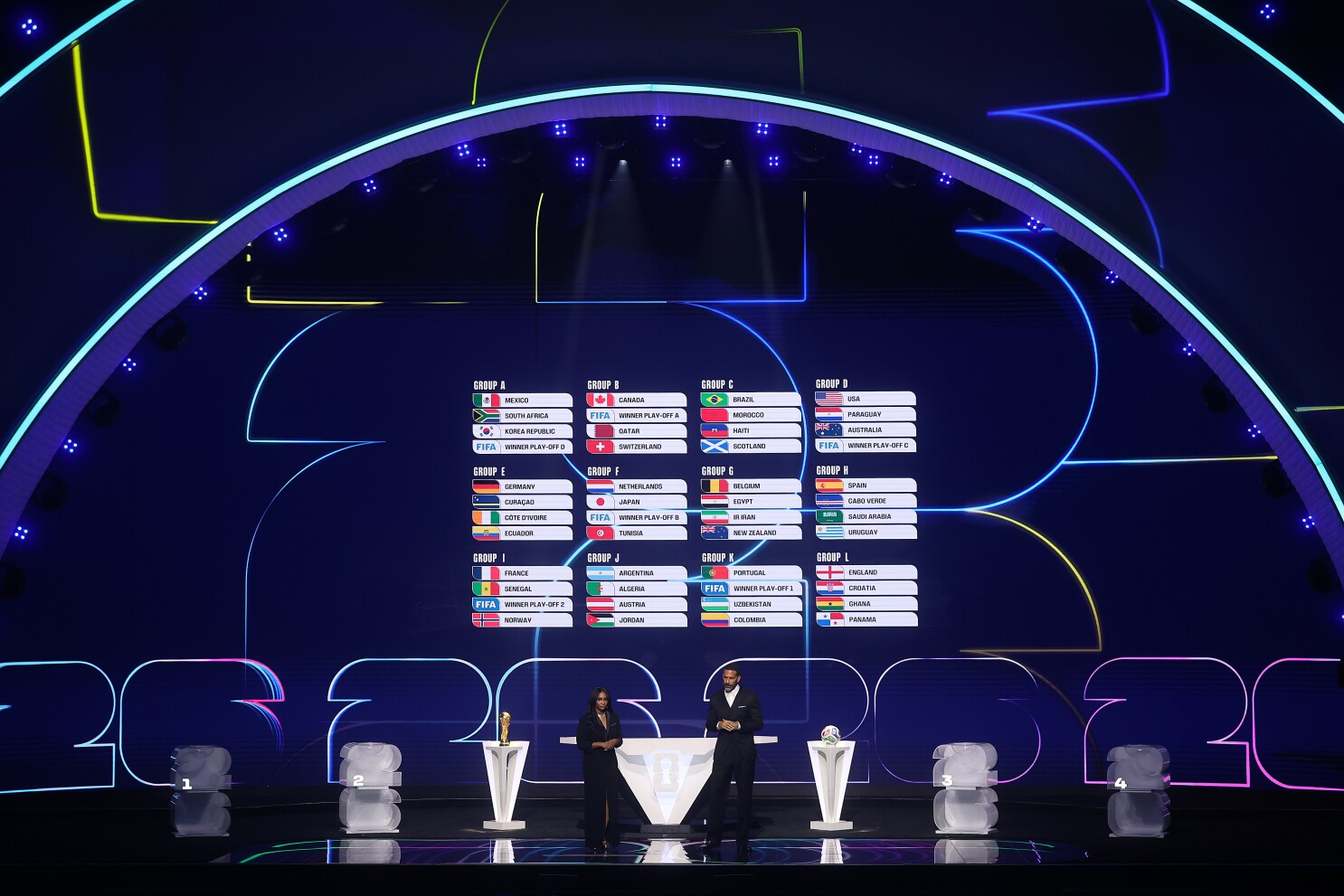
How the 2026 World Cup Draw Unfolded: Inside the Historic Ceremony
The 2026 FIFA World Cup draw ceremony was unlike any in tournament history, blending sporting spectacle with celebrity presence at Washington's prestigious Kennedy Center. Former England captain Rio Ferdinand oversaw the proceedings, joined by American football legend Tom Brady, hockey icon Wayne Gretzky, and baseball superstar Aaron Judge. The event drew global attention not only for its star power but for the historic significance of dividing 48 nations into 12 groups for the first time. FIFA President Gianni Infantino hailed the moment as "a new era for world football," emphasizing the expanded format's potential to include more nations and create new footballing stories.
Host nations learned their fates early in the draw, with Mexico automatically placed in Group A, Canada in Group B, and the United States in Group D—positions predetermined for the co-hosts. The remaining 45 teams were drawn from four pots based on FIFA rankings, with careful attention to geographic separation rules. The draw revealed several intriguing narratives: traditional powerhouses facing emerging nations, regional rivalries renewed on the global stage, and four debutant nations discovering their first World Cup opponents. The ceremony lasted nearly three hours, with each group revelation met with anticipation from millions watching worldwide.
Timeline: How World Cup 2026 Developed from Qualification to Final Draw
The road to the 2026 World Cup draw began with the most extensive qualification process in football history, involving 211 FIFA member associations across six confederations. The qualification campaign started in March 2023 and concluded with the final playoff matches in March 2026, determining the last six spots in the 48-team field. Key milestones along the way included the confirmation of all three host nations' automatic qualification in August 2022, the completion of European qualifying groups in November 2025, and the dramatic intercontinental playoffs that decided the final participants just weeks before the draw.
December 5, 2025, marked the official draw date, though the ceremony was postponed to early 2026 due to logistical considerations. The delay allowed for the completion of all qualifying matches and ensured the draw included every participating nation. In the weeks leading up to the draw, FIFA finalized the seeding pots based on the November 2025 rankings, with Spain, Argentina, France, and England securing top-seed status. The draw itself occurred on April 1, 2026, setting in motion the final preparations for the tournament scheduled to begin in just over two months.
Why the 2026 World Cup Format Changes Everything: Expert Analysis and Impact
The expansion to 48 teams represents the most significant format change in World Cup history since the tournament moved to 32 teams in 1998. Football analysts point to several immediate impacts: increased opportunities for emerging football nations, greater geographic diversity in the knockout stages, and a more complex path to the trophy for traditional powerhouses. The new format features 12 groups of four teams, with the top two from each group plus the eight best third-place teams advancing to a 32-team knockout stage—creating a tournament of 104 matches compared to the previous 64.
"This expansion fundamentally changes the tournament dynamics," noted Dr. Simon Kuper, football strategist and author. "We'll see more tactical variety, more opportunities for upsets, and a greater test of squad depth for the favorites. The group stage becomes both more forgiving and more dangerous—teams can afford one bad result but face increased competition from emerging nations." Economists project the expanded tournament will generate approximately $11 billion in revenue for FIFA, with host cities expecting significant tourism boosts. However, critics argue the format dilutes quality and increases player workload, concerns FIFA has addressed with enhanced rest periods and squad size increases to 26 players.
Where Things Stand Now: Latest on World Cup 2026 Preparations and Team Reactions
With the draw complete, teams have immediately begun tactical preparations for their group stage opponents. U.S. coach Gregg Berhalter expressed satisfaction with his team's placement in Group D alongside Australia, Turkey, and either Saudi Arabia or Oman. "We have a balanced group that presents challenges but also opportunities," Berhalter stated. "Facing Australia brings familiarity from previous competitions, while Turkey offers European technical quality. We'll be prepared." Mexico's manager Jaime Lozano similarly acknowledged the challenge of Group A, noting South Korea's technical prowess and South Africa's athleticism as key concerns.
Infrastructure preparations across the 16 host cities have entered their final phases, with all stadiums completing necessary renovations and expansions. MetLife Stadium in New Jersey, site of the July 19 final, has undergone a $200 million upgrade to enhance fan experience and media facilities. Transportation networks connecting the geographically dispersed venues have been tested in recent months, with high-speed rail connections now operational between key host cities. Ticket sales for the tournament have shattered records, with over 5 million applications received for the 3.5 million available seats in the initial ballot phase.
What Happens Next: The Road Ahead for the 2026 World Cup
The immediate focus shifts to final team preparations, with national squads scheduled to announce their preliminary rosters in late May before final 26-player selections in early June. Pre-tournament friendlies have been arranged throughout May, including several high-profile matches between World Cup participants. Teams will begin arriving at their base camps in early June, with the tournament officially opening on June 11 when Mexico faces South Africa at Estadio Azteca in Mexico City.
Broadcast arrangements have been finalized with rights holders in over 200 territories, with FIFA implementing new viewing technologies including enhanced virtual reality experiences and personalized camera angles. Security planning, involving coordination between U.S., Canadian, and Mexican agencies, represents one of the largest peacetime security operations in North American history. As the countdown to kickoff enters its final weeks, the football world anticipates a tournament that will redefine the sport's global footprint and potentially crown a first-time champion from an expanded field of contenders.
The Bottom Line: Key Points to Remember About World Cup 2026
The 2026 FIFA World Cup represents a historic expansion to 48 teams, creating 12 groups of four that will compete across 16 North American cities from June 11 to July 19, 2026. The recently completed draw has set compelling group stage matchups, with host nations receiving favorable placements and four debutant nations (Cape Verde, Curaçao, Jordan, and Uzbekistan) embarking on their first World Cup journeys. The tournament format expands the knockout stage to 32 teams, ensuring more matches and greater opportunities for emerging football nations. With infrastructure preparations nearing completion and teams finalizing their preparations, the stage is set for what promises to be the most inclusive, expansive, and commercially successful World Cup in history—a tournament that will test the limits of football's global appeal while creating new legends on the world's biggest sporting stage.