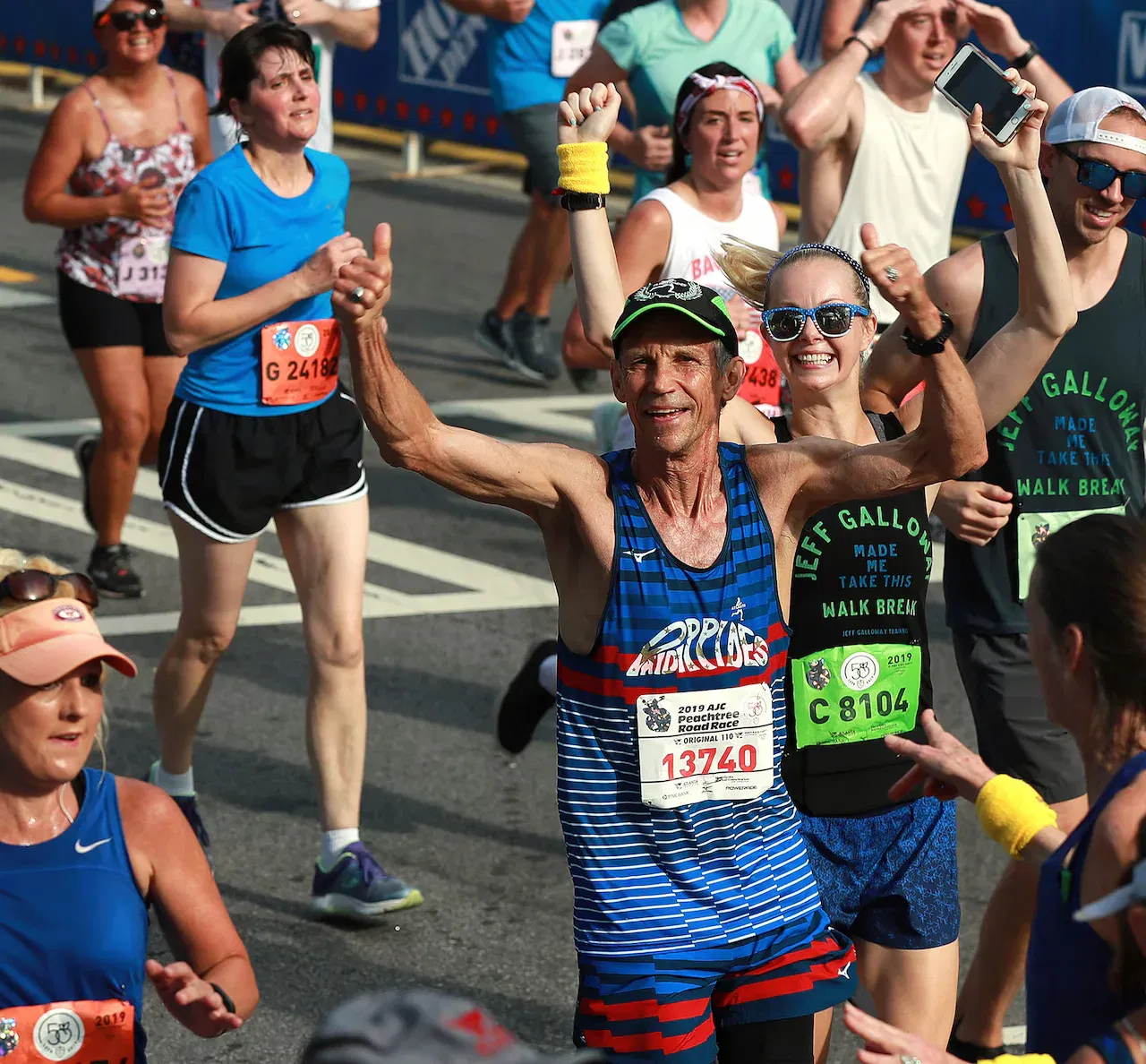
The running world lost one of its most influential figures this week as Jeff Galloway, the 1972 U.S. Olympian who transformed the sport with his revolutionary run-walk-run method, died at age 80. Galloway passed away on Wednesday, February 25, 2026, at a hospital in Pensacola, Florida, after suffering a hemorrhagic stroke, according to his family. His death marks the end of an era for millions of runners who credit Galloway’s approach with making distance running accessible, enjoyable, and sustainable.
How a Running Revolution Began: The Birth of the Run-Walk Method
Jeff Galloway’s legacy is built on a simple yet profound idea: that walking during a run isn’t a sign of weakness, but a smart strategy for endurance. After qualifying for the 1972 Olympic Games in the 10,000 meters, Galloway noticed that many runners—especially newcomers—struggled with injuries, burnout, and discouragement. In 1974, he introduced the “Run-Walk-Run” method, which alternates short walking breaks with running intervals. This technique, often called “Galloway’s method” or simply “Jeffing,” quickly gained traction because it reduced fatigue, minimized injury risk, and allowed runners to cover longer distances with greater consistency. “I never thought I would be a runner. I never thought I’d run a half marathon,” one admirer wrote online, echoing the sentiment of countless others who found success through Galloway’s guidance.
From Olympic Dreams to a Coaching Empire: Galloway’s Unlikely Journey
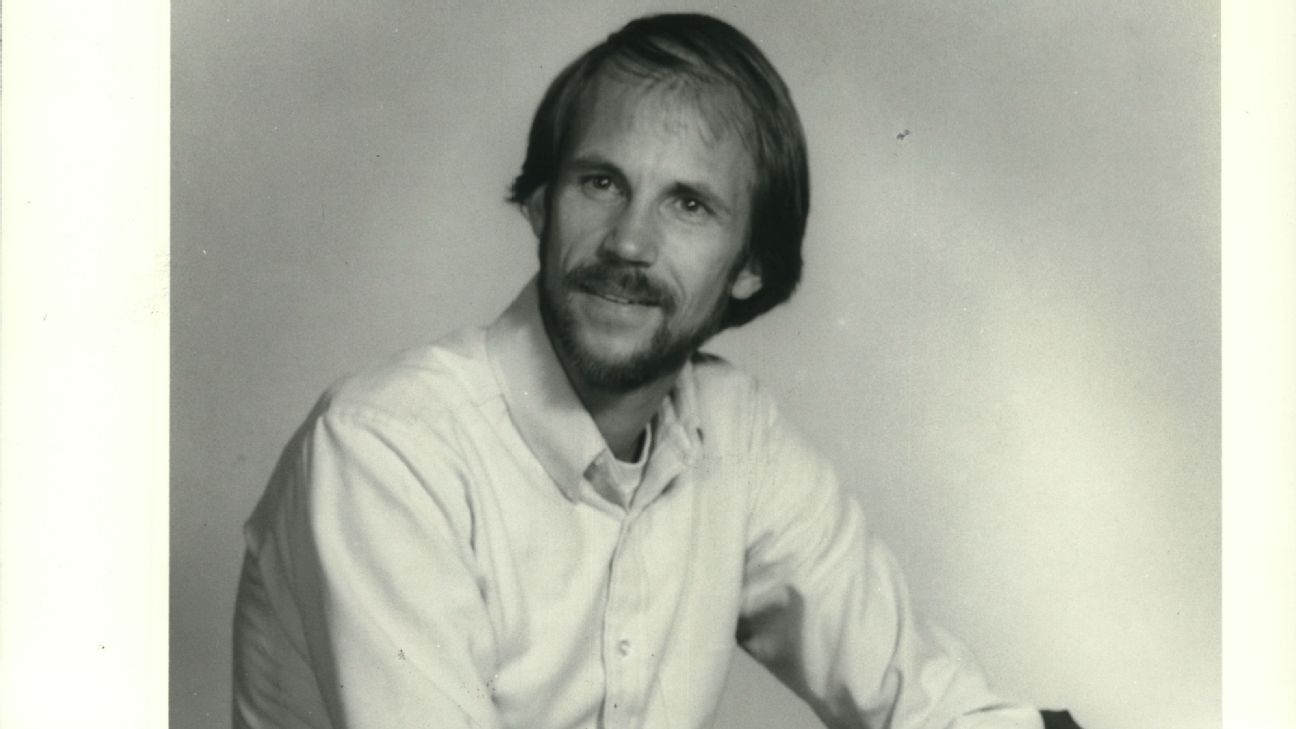
Galloway’s own athletic career laid the foundation for his later impact. Born in Raleigh, North Carolina, in 1945, he excelled as a collegiate runner and earned a spot on the 1972 U.S. Olympic team in the 10,000 meters. Though he didn’t medal in Munich, the experience shaped his philosophy. “Everyone passed the final exam: finishing either a 5K or a 10K with smiles on their faces,” he once said of his training groups. After retiring from elite competition, Galloway poured his energy into coaching, writing, and speaking. He authored the bestselling “Galloway’s Book on Running” and later became the official training consultant for the Walt Disney World Marathon and other major events. Through his eponymous training programs, he directly coached more than one million runners and inspired countless others through his books, podcasts, and public appearances.
Timeline: The Key Moments That Defined a Running Legend
Jeff Galloway’s life followed an extraordinary arc, from Olympic hopeful to global running guru. Here are the pivotal dates that shaped his story:
- July 12, 1945: Born in Raleigh, North Carolina.
- 1972: Qualifies for the U.S. Olympic team in the 10,000 meters; competes in the Munich Games.
- 1974: Develops the Run-Walk-Run method after observing common injuries among novice runners.
- 1984: Publishes “Galloway’s Book on Running,” which becomes a perennial bestseller.
- 1990s: Becomes the official training consultant for the Walt Disney World Marathon, helping to popularize the run-walk approach in mass-participation events.
- 2021: Suffers heart failure; his heart stops for 4.5 minutes during a medical episode, but he recovers and continues to run.
- February 25, 2026: Dies at age 80 in Pensacola, Florida, after a hemorrhagic stroke.
Why Galloway’s Method Changed Running Forever
Before Galloway, running culture often emphasized non-stop effort, leaving many aspiring marathoners sidelined by injuries or exhaustion. His run-walk method challenged that orthodoxy by introducing structured breaks that let the body recover mid-run. Studies and anecdotal evidence showed that runners using his approach could maintain pace over longer distances, reduce muscle damage, and recover faster. The method also had a psychological benefit: breaking a daunting race into manageable intervals made the challenge feel achievable. “He empowered people to believe in themselves,” one tribute noted. Galloway’s philosophy extended beyond technique; he preached that running should be fun, social, and inclusive—a message that resonated deeply in an era when running was becoming a mainstream fitness pursuit.
Where the Running Community Stands Today: Tributes Pour In
News of Galloway’s death prompted an immediate outpouring of grief and gratitude from runners, coaches, and sports organizations worldwide. Social media filled with stories of personal transformation—first-time marathoners, injury-prone athletes who found relief, and seasoned runners who set new personal bests using his strategies. The governing body of running in the United States issued a statement praising Galloway for “democratizing the sport.” Meanwhile, training groups that use his method have announced plans to dedicate upcoming races to his memory. “Jeff did not just make runners. He empowered people to believe in themselves,” read one widely shared tribute. His influence is also evident in the booming popularity of run-walk programs at major marathons, where pace groups using Galloway’s intervals are now a standard feature.
What Happens Next: The Future of the Run-Walk Movement
While Jeff Galloway is gone, his method is firmly embedded in running culture. His company, Galloway Productions, continues to operate training programs in dozens of cities, and his books remain in print. The run-walk approach is now taught by countless coaches and endorsed by medical professionals as a safe entry point into endurance sports. Looking ahead, Galloway’s legacy will likely grow as new generations of runners discover his work. Expect to see more races offering “Galloway‑style” pace groups, increased research on the benefits of walk breaks, and perhaps even a documentary or biography that chronicles his impact. As one runner put it, “He changed how everyday people thought about running.” That change is permanent.
The Bottom Line: What Every Runner Should Remember
Jeff Galloway’s life reminds us that innovation in sports often comes from questioning conventions. His run-walk method wasn’t just a training hack; it was a philosophy that welcomed everyone to the starting line. Key takeaways from his story:
- Accessibility: Galloway proved that marathon finishing lines aren’t just for elite athletes.
- Longevity: By prioritizing injury prevention, he helped runners enjoy the sport for decades.
- Joy: He insisted that running should be fun—a lesson that reshaped the culture of the sport.
Galloway is survived by two sons and six grandchildren. Memorial services are being planned in Florida and North Carolina, with many runners expected to honor him by logging miles using the method that bears his name.