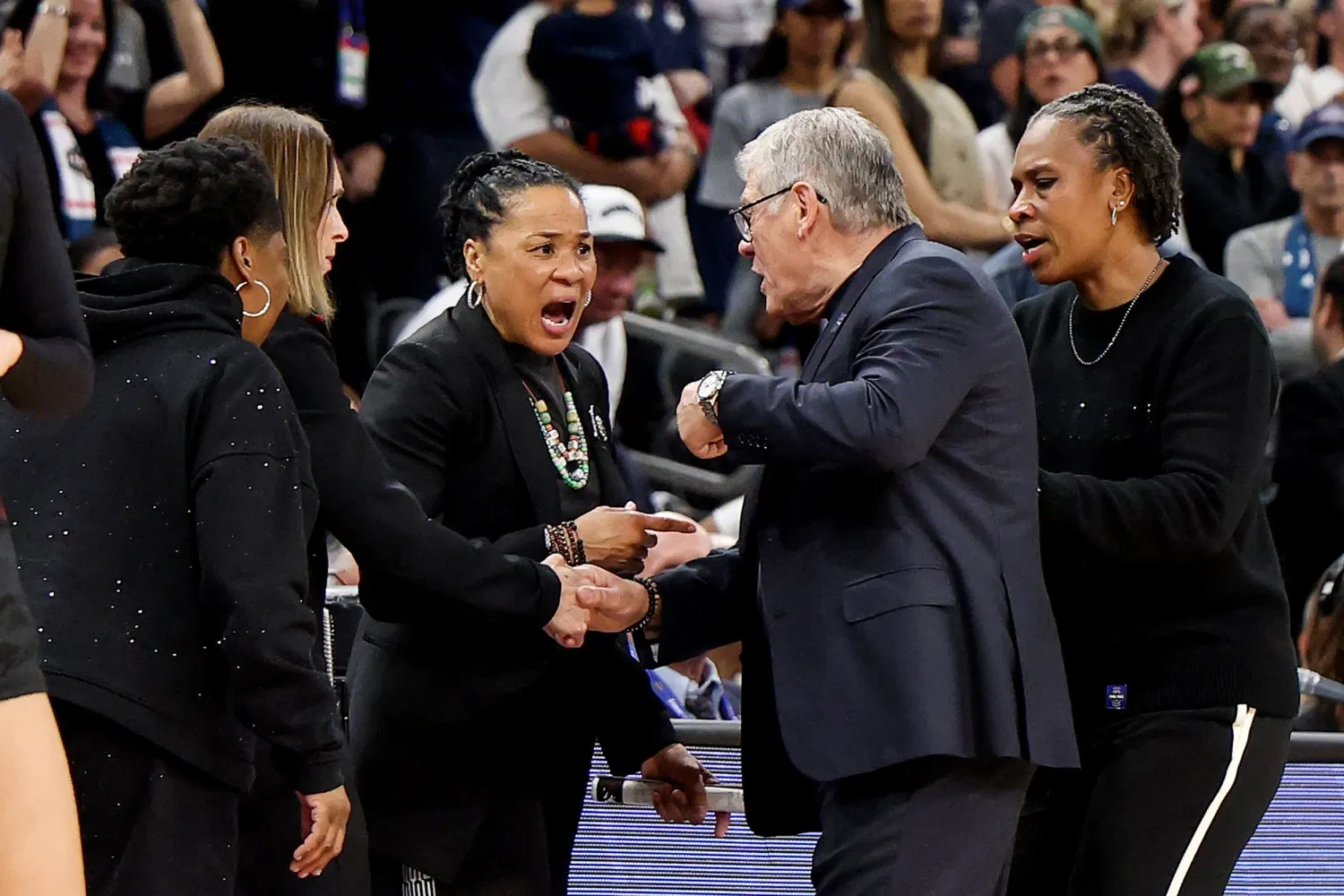
UConn women's basketball coach Geno Auriemma issued a public apology Saturday after a heated confrontation with South Carolina coach Dawn Staley marred the closing moments of their Final Four matchup, sparking controversy across the college basketball world. The emotional exchange between two of the sport's most prominent figures unfolded in the final seconds of South Carolina's 62-48 victory, ending UConn's remarkable 54-game winning streak and casting a shadow over what should have been a celebration of elite competition.
How the Final Four Confrontation Unfolded
The incident occurred at midcourt as time expired on Friday's national semifinal game at the Mortgage Matchup Center in Phoenix. Witnesses described Auriemma approaching Staley aggressively, with the conversation quickly escalating into a visible shouting match that required separation. According to multiple reports, the confrontation stemmed from Auriemma's frustration over what he perceived as a breach of pregame protocol.
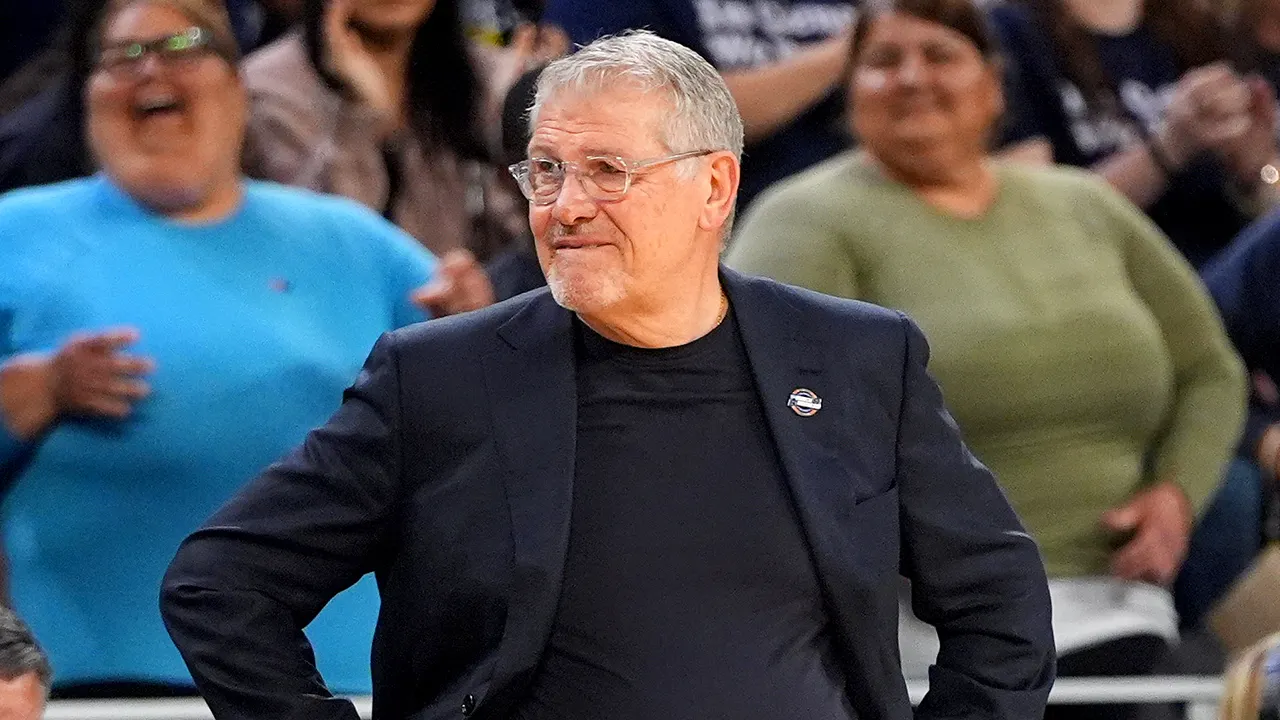
"There's no excuse for how I handled the end of the game vs. South Carolina," Auriemma said in a statement released Saturday. "It's unlike what I do and what our standard is here at Connecticut. I want to apologize to the staff and the team at South Carolina. It was uncalled for in how I reacted. The story should be how well South Carolina played, and I don't want my actions to detract from that."
Staley, who led South Carolina to the national championship game against UCLA, offered her perspective in postgame interviews. "I have no idea, but I'm going to let you know this: I'm of integrity. I'm of integrity," she told ESPN's Holly Rowe. "So, if I did something wrong to Geno, I had no idea what I did. I guess he thought I didn't shake his hand at the beginning of the game."
Timeline: From Pprotocol Dispute to Public Apology
The sequence of events reveals a clash between coaching traditions and competitive intensity. According to Auriemma, the standard pregame protocol calls for both coaches to meet at halfcourt for a handshake, announced over the loudspeaker. "I waited there for like three minutes," Auriemma told reporters after the game. Staley countered that she had indeed shaken hands with Auriemma's staff members pregame but wasn't aware of any specific protocol violation.
Friday's confrontation wasn't the first sign of tension. During the game, Auriemma expressed frustration with officiating in an interview with Rowe, criticizing what he perceived as inconsistent calls. "Their coach rants and raves on the sideline and calls the referee some names you don't want to hear," he said during the broadcast. This built-up frustration appeared to culminate in the postgame exchange.
By Saturday afternoon, less than 24 hours after the incident, Auriemma released his formal apology statement. The swift response underscored the significance of the event and Auriemma's recognition that his behavior had overshadowed South Carolina's accomplishment in advancing to the championship game.
Why This Confrontation Matters Beyond the Game
The Auriemma-Staley exchange represents more than just a momentary loss of composure—it highlights the intense pressures of championship basketball and the complex relationships between elite coaches. Auriemma, with 11 national championships, and Staley, seeking her fourth title, represent different generations and coaching styles that have occasionally clashed throughout their careers.
Beyond the immediate incident, the confrontation sparked broader conversations about sportsmanship, gender dynamics in women's sports, and the expectations placed on high-profile coaches. Candace Parker, the former Tennessee star who had her own complicated history with Auriemma dating back to her recruitment, weighed in critically on the incident. "This is exactly why I didn't want to play for him," Parker said in social media commentary that quickly circulated among basketball fans.
The historical context adds layers to the story: UConn had defeated South Carolina in last year's national championship, making Friday's game a highly anticipated rematch. South Carolina's victory not only ended UConn's 54-game winning streak but also represented a shifting balance of power in women's college basketball—factors that likely contributed to the emotional intensity of the moment.
Where Things Stand Now: Latest Developments
As of Saturday evening, the University of South Carolina athletics program had not issued an official statement regarding Auriemma's actions, referring media inquiries to Staley's public comments. Staley herself appeared ready to move forward, telling reporters, "Sometimes things get heated. We move on."
The NCAA has not indicated any plans to review the incident for potential disciplinary action, suggesting the organization views it as an interpersonal matter between coaches rather than a violation requiring institutional intervention. However, the public nature of the confrontation and Auriemma's subsequent apology ensure it will remain a talking point throughout the championship game and into the offseason.
Basketball analysts have noted that while coaching confrontations aren't unprecedented in high-stakes games, the visibility of this exchange—occurring during the Final Four on national television—amplified its impact. Social media response has been divided, with some defending Auriemma's passion and others criticizing what they perceive as poor sportsmanship toward a fellow Hall of Fame coach.
What Happens Next: The Road Ahead for Both Programs
Looking forward, the incident raises questions about the future relationship between two of women's basketball's premier programs. Auriemma and Staley will inevitably cross paths again, both in regular season matchups and potentially future NCAA tournaments. How they navigate their interactions moving forward could influence recruiting narratives, media perceptions, and even postseason seedings.
For UConn, the immediate focus shifts to regrouping after the end of their historic winning streak and addressing any internal fallout from the public incident. The program has built its reputation on excellence both on and off the court, making Auriemma's apology an important step in maintaining that standard.
South Carolina, meanwhile, prepares for Monday's national championship game against UCLA with the opportunity to secure another title under Staley's leadership. The controversy could either serve as a distraction or additional motivation for a team that has demonstrated remarkable resilience throughout the season.
The Bottom Line: Key Points to Remember
- Geno Auriemma's apology came less than 24 hours after his heated exchange with Dawn Staley during the Final Four
- The confrontation stemmed from a dispute over pregame handshake protocol, though both coaches acknowledge the incident escalated unnecessarily
- South Carolina's 62-48 victory ended UConn's 54-game winning streak, adding competitive significance to the emotional moment
- Candace Parker and other basketball figures have criticized Auriemma's behavior, expanding the conversation beyond the immediate incident
- Neither program nor the NCAA has indicated plans for further disciplinary action, suggesting the matter will be resolved between the coaches
- The incident highlights the intense pressures and complex relationships at the highest levels of women's college basketball
As the women's basketball world turns its attention to Monday's championship game, the Auriemma-Staley confrontation serves as a reminder that even in meticulously prepared competitions, human emotions can surface in unexpected ways. Both coaches now face the challenge of moving forward while managing the repercussions of a moment that captured national attention for reasons beyond basketball excellence.